Nootropil (Piracetam): Comprehensive Patient Information for Australia
Basic Product Information
| International Non-Proprietary Name (INN) | Piracetam |
|---|---|
| Brand Names in Australia | Nootropil®; Piracetam Sandoz, generics |
| Anatomical Therapeutic Chemical (ATC) Code | N06BX03 |
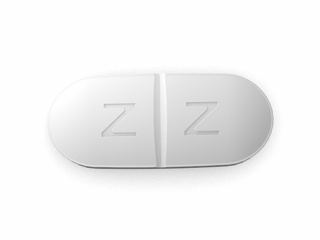
| Available Forms & Strengths | Oral tablets (800 mg, 1200 mg), oral solution (200 mg/mL), injectable ampoules (in hospital) |
| Manufacturers | Various: UCB Pharma, Sandoz, and approved generics |
| Prescription Status | Prescription Only Medicine (Schedule 4, S4) |
Mechanism of Action
For Patients: Piracetam is a medicine that helps improve how brain cells work. It is thought to support mental function by making it easier for your brain’s cells to communicate with each other, boost energy use in the brain, and protect against some types of brain damage. This may help with memory, concentration, and learning.
For Specialists: Piracetam is a cyclic derivative of gamma-aminobutyric acid (GABA) and is considered a nootropic. Although it does not act directly on GABAergic receptors, it modulates neurotransmission by affecting neuronal membrane fluidity and rheology. It enhances neuroplasticity, neuroprotection, and may increase the efficacy of acetylcholine via muscarinic cholinergic receptors, thus facilitating cognitive processes. Documented effects include improved mitochondrial function and microcirculatory flow in cerebral vasculature.
Pharmacokinetics
- Absorption: Piracetam is rapidly and almost completely absorbed after oral administration. Peak plasma concentrations are usually reached within 30 minutes to 2 hours.
- Distribution: Distributes widely, including across the blood-brain barrier.
- Metabolism: Not metabolised extensively; largely excreted unchanged by the kidneys.
- Elimination: 80–100% eliminated via urine; renal clearance.
- Half-life: Approximately 5 hours in adults.
- Duration of action: Clinical effect lasts several hours, supporting split daily dosing.
Use in Everyday Life and Best Practices
Piracetam is primarily used to help improve mental function in conditions where brain performance is affected. In Australia, it is prescribed for cognitive impairment following strokes, myoclonus, and off-label for some attention, dementia, or neurocognitive complaints. It may be considered where other evidence-based medicines are unsuitable or as add-on support for rehabilitation, under a neurologist’s or geriatrician’s care.
The typical adult dose is 2.4–4.8 g per day, divided into two or three doses. Start low (such as 1.2 g daily) and titrate as advised by your doctor. Tablets should be swallowed whole with water. The oral solution, available for people who have swallowing difficulties, should be measured using the device provided. Treatment duration varies—continuous use may be recommended, but regular review is essential.
Dosing: Morning vs Evening
- Morning Dosing: Helps avoid any potential sleep disturbance (though piracetam is not typically sedating or stimulating for most).
- Evening Dosing: May be acceptable if split dosing is prescribed; caution in sensitive individuals as rare insomnia could occur.
- Practical Tip: Aim for regular timing each day. If taking multiple doses, try breakfast and lunch, or breakfast, lunch, and afternoon. Avoid taking immediately before bed.
Taking with Food or on an Empty Stomach
Piracetam can be taken with or without food: meals do not substantially affect its absorption. However, taking with food, such as a light breakfast, may help reduce any mild stomach upset in sensitive individuals.
Australia dietary habits (high fibre or dairy intake) are not known to interact. Always maintain a balanced diet as directed by your healthcare provider.
Interaction Warnings
| Interacting Substance | Nature of Interaction | Clinical Advice |
|---|---|---|
| Alcohol | No consistent adverse interaction, but alcohol may counteract potential cognitive benefit. | Avoid heavy drinking when taking piracetam. |
| Anticoagulants (e.g. warfarin) | Piracetam may enhance the effect of blood-thinning medicines. | Monitor INR/PT closely if used together. |
| Antiplatelet agents (e.g. aspirin, clopidogrel) | May increase the risk of bleeding. | Report unusual bruising or bleeding promptly. |
| CNS stimulants (amphetamines, methylphenidate) | No direct pharmacological interaction. | Use under specialist supervision only. |
| Other nootropics (e.g. modafinil, racetams) | Unknown safety of combined use. | Not generally recommended without specialist advice. |
Indications for Use
| Indication | Status in Australia | Comments |
|---|---|---|
| Cortical myoclonus (adults and children) | Approved | First-line in specific epilepsy/mechanisms |
| Cognitive decline post-stroke or brain injury | Occasionally used (off-label) | On neurologist or rehabilitation physician advice |
| Vascular dementia/mild cognitive impairment | Off-label | Use with caution; consult specialist |
| Learning difficulties in children | Not routinely approved | Rare/exceptional use only |
| Other neuropsychiatric disorders | Not approved/off-label only | Specialist case-by-case |
Dosing According to Clinical Indication
| Population | Main Indication | Typical Daily Dose |
|---|---|---|
| Adults (18+) | Cortical myoclonus Post-stroke cognitive decline | 7.2–24 g/day (myoclonus, divided doses) 2.4–4.8 g/day (cognition, divided doses) |
| Children (over 8 yo) | Cortical myoclonus (rare) | Varies, e.g. 150 mg/kg/day, divided doses. Specialist supervision. |
| Elderly | As above | Start lower, titrate with caution due to reduced renal function. |
| Impaired kidney function | Any | Reduce dose. Consult doctor. |
Safety Profile and Side Effects
Piracetam has a generally good safety profile, but all medicines may cause side effects. Tell your doctor or pharmacist if you notice anything unusual.
| Side Effect | Frequency/Notes |
|---|---|
| Nervousness, agitation | Common; usually mild and transient |
| Weight gain | Occasional |
| Sleep disturbance (insomnia) | Rare; avoid late evening dosing |
| Headache, dizziness | Uncommon; generally improves |
| Gastrointestinal upset (nausea, diarrhoea) | Occasional; take with food if needed |
| Rash, allergic reaction | Rare; seek urgent advice if severe |
| Bleeding/bruising | Rare, but report promptly especially if also on blood thinners |
Guidelines for Proper Use
- Take piracetam exactly as directed by your doctor—do not adjust your dose unless told to do so.
- Continue medication even if you feel well unless told otherwise.
- Attend all follow-up appointments for monitoring (especially kidney function and response).
- Store tablets/solution at room temperature, away from moisture and heat.
- Keep out of reach of children and pets.
- If you miss a dose, take it as soon as you remember. If close to the next dose, skip the missed one—DO NOT double up.
Alternative Treatment Options
- For cognitive impairment: Donepezil, rivastigmine, and memantine (PBS-reimbursed for dementia) are preferred where appropriate. These have stronger evidence for use in Alzheimer’s and major neurocognitive disorders but may not help all forms of cognitive decline.
- For myoclonus: Clonazepam and valproic acid are standard treatments. Piracetam provides benefit for specific forms refractory to these.
- For focused neurorehabilitation: Occupational therapy, physio, and cognitive training have a strong evidence base in Australian guidelines, with or without medication.
Specialists will select the best option based on diagnosis, response, and side effect profile.
Legal, Registration, and Reimbursement Status in Australia
- Registration: Listed on the Australian Register of Therapeutic Goods (ARTG) for certain neurological indications (mainly myoclonus); off-label use is at specialist discretion.
- Prescription Requirements: S4 medicine—script required from your GP or specialist.
- Reimbursement: Not subsidised by the Pharmaceutical Benefits Scheme (PBS) for most indications; out-of-pocket costs may apply except under hospital plans.
- Regulation: Monitored by the Therapeutic Goods Administration (TGA).
Latest Research & Clinical Guidance (2022–2025)
- Recent clinical reviews and meta-analyses (e.g., PubMed 2023) affirm limited utility for general cognitive enhancement in healthy aging adults but acknowledge benefit in post-stroke cognitive dysfunction and myoclonus.
- Australia & UK neurology guidelines recommend piracetam mainly for cortical myoclonus. Cognitive or memory use remains off-label awaiting further trial evidence.
- Pharmacovigilance data (2022–2025) confirm a favourable side effect profile for adults and elderly patients with dose adjustments as necessary.
Availability and Delivery
| Pack Size | Approximate Price | Common Form |
|---|---|---|
| 60 tablets (800 mg) | $25–40 AUD | Tablet |
| 120 tablets (1200 mg) | $45–70 AUD | Tablet |
| Oral solution (200 mg/mL, 125 mL bottle) | $30–50 AUD | Oral Solution |
These products are stocked in urban and regional pharmacies. Home delivery times to major cities:
| City | Estimated Delivery |
|---|---|
| Sydney | 1–2 days |
| Melbourne | 1–2 days |
| Brisbane | 2–3 days |
| Perth, Adelaide | 3–5 days |
Frequently Asked Questions (FAQ)
- How long should I take piracetam?
The length depends on your condition and response. Some people need ongoing therapy, others only for a few months. Always follow your doctor’s review advice. - Can I drive or work while taking piracetam?
Most people can safely drive and work. If you feel dizzy, very tired, or have odd symptoms after starting, avoid such activities and seek advice. - Is piracetam addictive?
No, piracetam is not habit-forming or addictive. There are no withdrawal effects when stopping as directed. - What if I forget a dose?
Take it as soon as you remember if it’s not close to your next dose. If close to your next dose, skip the missed dose—never double dose. - Can I take piracetam with my usual medicines?
In most cases, yes, but always let your doctor or pharmacist know all your current medicines—including over-the-counter and natural products—before starting piracetam.
Always consult your pharmacist, GP, or specialist for advice tailored to your circumstances. This information reflects Australian standards and regulatory context as of 2024.