Levothroid (Levothyroxine): Comprehensive Patient Information for Australia
Basic Product Information
| International Nonproprietary Name (INN) | Levothyroxine |
| Brand Names in Australia | Levothroid, Eutroxsig, Eltroxin, Oroxine |
| ATC Code | H03AA01 |
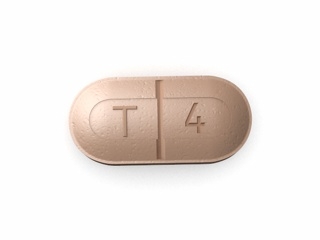
| Available Forms & Strengths | Tablets: 25 mcg, 50 mcg, 75 mcg, 100 mcg, 125 mcg, 150 mcg, 200 mcg |
| Manufacturers | Alphapharm, Aspen Pharmacare, Sigma Pharmaceuticals, others |
| Prescription Status | Prescription only (Schedule 4, S4) – available at pharmacies in Australia |
Mechanism of Action
For Patients: Levothroid contains levothyroxine, a synthetic form of the natural hormone thyroxine (T4) produced by the thyroid gland. This hormone is essential for normal growth, energy, and metabolism. Levothroid replaces or supplements this hormone when your thyroid is underactive (a condition called hypothyroidism).
For Specialists: Levothyroxine is converted peripherally to the active hormone triiodothyronine (T3), exerting physiological effects through thyroid receptor binding. It regulates gene expression, metabolic processes, and homeostasis. Levothyroxine’s therapeutic effects are mediated by nuclear transcriptional activity, modulating protein synthesis to normalise basal metabolic rate and neuroendocrine function.
Pharmacokinetics
- Absorption: Around 70–80% is absorbed in the small intestine (duodenum/jejunum). Bioavailability lowers after food intake.
- Time to Peak Concentration: 2–3 hours fasting; delayed with food.
- Metabolism: Primarily hepatic (liver) deiodination to T3; some renal metabolism.
- Elimination: Mainly through urine (60–80%); a small amount in faeces and bile.
- Duration of Action: 1–3 weeks; steady state achieved in approximately 4–6 weeks.
- Plasma Half-Life: 6–7 days (normal thyroid); shorter in hyperthyroid states, prolonged in hypothyroidism.
Use in Everyday Life and Best Practices
Levothroid is most often used for the treatment of hypothyroidism. The typical starting dose for adults is 50–100 mcg per day, increased gradually by 25–50 mcg every 3–4 weeks as needed, based on TSH (thyroid-stimulating hormone) levels and clinical response.
How to Take: - Take Levothroid once daily in the morning, with a full glass of water, at least 30–60 minutes before breakfast.
- Try to take Levothroid at the same time each day to maintain stable thyroid hormone levels.
- Do not stop or change your dose unless directed by your doctor.
- If you forget a dose, take it as soon as you remember – if close to the next dose, skip the missed dose. Do not double the dose.
For English Dietary Context: Meals rich in fibre, calcium, or soy may affect absorption. Inform your doctor about typical English eating patterns—especially regular tea, milk, oat, or cereal breakfast.
Dosing: Morning vs Evening
- Morning Use: Recommended by most guidelines. Best absorbed on an empty stomach before breakfast. Established practice in Australian patients.
- Evening Use: Some evidence supports similar efficacy if taken at bedtime (at least 2–3 hours after food). Can be considered if morning doses are frequently missed or inconvenient.
Tips on Maintaining Regularity: - Set alarms or reminders to help take your medication at the right time.
- Discuss with your doctor if your schedule makes morning intake difficult.
- Aim for consistency: always take Levothroid either in the morning or at bedtime – sudden timing changes can alter hormone levels.
Taking with Food or on an Empty Stomach
Food can reduce how well your body absorbs levothyroxine. It is best taken on an empty stomach, ideally at least 30–60 minutes before breakfast or caffeinated drinks. Avoid taking Levothroid with high-fibre cereals, calcium (milk/cheese), iron supplements, or soy-based foods around medication time. These are common in the English diet and can decrease effectiveness.
If you regularly eat a large breakfast or drink tea/coffee in the morning, consider establishing a routine: take Levothroid immediately after waking, then wait at least 30 minutes before eating or drinking.
Interaction Warnings
| Interacting Substance | Possible Effect | Advice |
| Calcium supplements/milk | Reduced absorption | Separate doses by at least 4 hours |
| Iron supplements | Reduced absorption | Separate doses by at least 4 hours |
| Antacids (aluminium, magnesium) | Reduced absorption | Take Levothroid 2 hours before or 4 hours after antacids |
| Soy-based foods, fibre bars | Reduced absorption | Avoid around dosing time |
| Certain cholesterol medications (cholestyramine, colestipol) | Reduced absorption | Take Levothroid at least 4 hours apart |
| Warfarin and other blood thinners | Potential for increased effect | Monitor INR/blood tests with your doctor |
| SSRIs (like sertraline) | May increase or decrease effect | Possible dose adjustment needed |
| Alcohol | No significant interaction, but moderation is advised | Drink in moderation, discuss possible liver impacts with your doctor |
Indications
| Indication | Status | Clinical Note |
| Primary hypothyroidism (adults & children) | Approved | Main use, including Hashimoto’s thyroiditis |
| Cretinism (congenital hypothyroidism) | Approved | Early treatment essential |
| Thyroid cancer (adjunct therapy) | Approved | Suppressive therapy to reduce TSH |
| Goitre (benign euthyroid) | Approved | Especially multinodular goitre |
| Subclinical hypothyroidism | Off-label | Used selectively, per TSH levels and symptoms |
| Depression adjunct (rare cases) | Off-label | Specialist-guided only |
Dosing According to Clinical Indications
| Indication / Age Group | Standard Dose Range | Comments |
| Adult hypothyroidism | 50–200 mcg daily | Start lower in elderly or cardiac conditions; titrate based on TSH |
| Children (congenital hypothyroidism) | 10–15 mcg/kg/day (neonates); 4–6 mcg/kg/day (over 6 months); 2–4 mcg/kg/day (older children) | Adjust as child grows; regular monitoring essential |
| Elderly patients | 12.5–25 mcg daily | Increase slowly; higher sensitivity to side effects |
| Thyroid cancer suppression | 2–2.5 mcg/kg/day | Higher doses, closely monitored |
Safety Profile and Side Effects
Most people tolerate Levothroid well. Side effects usually occur with overdosage or when thyroid hormone levels rise too quickly. | Frequency | Side Effect | Notes |
| Common | Palpitations, sweating, nervousness, tremor, headache, diarrhoea, weight loss, muscle weakness, insomnia | Usually dose-related, resolve with adjustment |
| Occasional | Menstrual irregularities, hair loss, skin rash | Hair loss is usually temporary |
| Rare | Chest pain, arrhythmia, heart failure, allergic reaction | Seek urgent medical advice |
| Warnings | May worsen pre-existing heart disease or bone thinning (osteoporosis) at high doses | Discuss history with your doctor prior to starting treatment |
Guidelines for Proper Use
- Have regular blood tests (TSH, T4) as recommended—often every 6–12 months after dose stabilisation.
- Inform your doctor or pharmacist of any new medications or supplements.
- Store Levothroid below 25°C, in the original packaging, away from moisture.
- Do not share your medication with others—even if symptoms appear similar.
- Bring all medicines, including Levothroid, to every clinic or hospital appointment for review.
- If pregnant or planning pregnancy, inform your doctor—dose adjustments are often needed.
Alternative Treatment Options
- Other levothyroxine brands (Oroxine, Eltroxin, Eutroxsig): Bioequivalent substitutes; same active ingredient; minor variations in excipients; switching brands should be clinically supervised.
- Liothyronine (T3); Combined T4/T3 preparations: Rarely used, only in specific cases where levothyroxine monotherapy is insufficient, under specialist supervision.
- Desiccated thyroid extract (pork-derived): Not PBS-subsidised in Australia; inconsistent potency and not generally recommended per current guidelines.
Summary Table: | Alternative | Cost/Reimbursement | Notes/Pros | Cons |
| Levothyroxine (various brands) | PBS-subsidised | Reliable, well-studied | Requires dose adjustment after switching |
| T3/Liothyronine | Non-subsidised for most indications | Rapid onset—limited use | Shorter half-life, risk of fluctuations |
| Desiccated thyroid extract | Not subsidised | Some patients prefer natural product | Unpredictable potency; not guideline preferred |
Legal, Registration, and Reimbursement Status in Australia
| Authority/Status | Details |
| TGA (Therapeutic Goods Administration) | Approved for marketing and therapeutic use in Australia |
| Legal Classification | Schedule 4 (S4) – Prescription only |
| PBS (Pharmaceutical Benefits Scheme) | Subsidised for approved indications including primary hypothyroidism, goitre, and replacement after thyroidectomy |
| Supply Restrictions | Up to 200 tablets (varies by prescription); repeats as per doctor’s instruction |
Latest Research and Clinical Guidance (2022–2025)
- The Australian Thyroid Association and international guidelines (ATA, BTA) confirm levothyroxine as first-line treatment for hypothyroidism (Lancet Diabetes Endocrinol. 2023;11(1):1-12).
- Recent studies reaffirm that maintaining TSH within reference range (typically 0.4–4.0 mIU/L) correlates with optimal symptom control and bone/cardiovascular safety (BMJ. 2022;378:e070737).
- No major changes in administration advice: morning dosing still preferred, but bedtime dosing is acceptable for patients who find this routine more suitable (see Endocrine Practice. 2023;29(2):134-140).
- There is no support for routine combined T4/T3 therapy except in rare, specialist-selected cases.
- Pregnancy: Early and more frequent TSH monitoring with increased dosing often required (Thyroid. 2022;32(6):636-650).
Availability and Delivery
| Common Pack Sizes | 100 tablets, 200 tablets |
| Indicative Retail Price (100 tabs, PBS subsidised) | $6.70 standard PBS co-payment (2024) |
| Indicative Retail Price (private, 100 tabs) | $18–$32 (varies by pharmacy and brand) |
Estimated Delivery Times (online pharmacy orders): | Australia City | Standard Delivery | Express Delivery |
| Sydney | 1–2 business days | Same or next business day |
| Melbourne | 1–2 business days | Same or next business day |
| Brisbane | 1–3 business days | 1 business day |
| Perth | 3–5 business days | 2 business days |
| Adelaide | 2–3 business days | 1 business day |
| Other regional areas | Up to 7 business days | 2–3 business days |
Frequently Asked Questions (FAQ)
- What should I do if I miss a dose of Levothroid?
Take the missed dose as soon as you remember, unless it is close to your next usual dose. Do not double the dose. Missing a single dose is not dangerous, but try to maintain regularity for best results. - Can I drink tea or coffee with Levothroid?
It’s best to wait at least 30–60 minutes after taking Levothroid before drinking tea or coffee. Caffeine and some compounds in tea can interfere with absorption. - Is it safe to take Levothroid during pregnancy or breastfeeding?
Yes—treatment is essential for your health and your baby's healthy development. You will typically need closer monitoring and possibly a dose increase. Always notify your doctor if you are pregnant or plan to become pregnant. - Can I take vitamins or supplements with Levothroid?
Some supplements (especially calcium or iron) can reduce absorption. Separate these by at least 4 hours, and consult your pharmacist or doctor for advice. - How long will I need to take Levothroid?
In most cases, Levothroid is a lifelong treatment. Your doctor will guide you regarding any possible changes if your condition or needs alter.
Please speak with your pharmacist, GP, or endocrinologist if you have further questions. The above information is designed to support, not replace, the advice of your healthcare professionals.