
Dilantin (Phenytoin): Detailed Patient Guide for Australia
Basic Product Information
| International Non-proprietary Name (INN) | Phenytoin |
|---|---|
| Australia Brand Names | Dilantin®, Dilantin Infatabs®, Phenytoin (Sandoz) |
| ATC Code | N03AB02 |
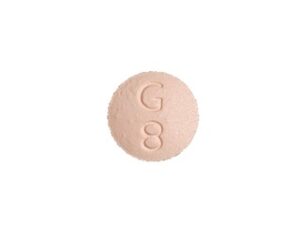
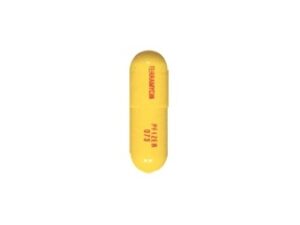
| Available Forms & Strengths | Oral capsules (30 mg, 100 mg), oral suspension (30 mg/5 mL, 125 mg/5 mL), chewable Infatabs (50 mg), injectable solution (50 mg/mL) |
| Manufacturers | Pfizer Australia, Sandoz Australia, other TGA-registered suppliers |
| Prescription Status | Prescription Only Medicine (Schedule 4, TGA) |
Mechanism of Action
- Simple explanation: Phenytoin helps control abnormal electrical activity in the brain that can cause seizures. It works by reducing the brain’s tendency to become overactive, which lowers the risk of epileptic episodes.
- Specialist explanation: Phenytoin stabilises neuronal membranes by promoting sodium efflux from neurons via voltage-gated sodium channel blockade, thereby limiting repetitive firing and propagation of the seizure focus.
Pharmacokinetics
- Absorption: Oral bioavailability is generally high (>80%), though absorption can be variable depending on formulation.
- Distribution: Widely distributed; approximately 90% bound to plasma proteins.
- Metabolism: Extensively hepatic (liver) via CYP2C9 and CYP2C19 enzymes. Nonlinear (zero-order) kinetics at therapeutic doses—meaning small dose increases can cause large changes in blood level.
- Elimination: Metabolites are excreted in urine. Typical half-life ranges from 10 to 42 hours (averaging 22 hours in adults).
- Duration of Action: Single daily dosing is possible for most adults due to long half-life.
Use in Everyday Life and Best Practices
Phenytoin is most frequently used to prevent tonic-clonic (grand mal) and focal (partial) seizures. It is not typically effective for absence (petit mal) seizures. Treatment is tailored to individual patient needs in consultation with your specialist doctor (general practitioner or neurologist).
- Typical adult starting dose: 200–300 mg daily in 1–2 divided doses.
- Paediatric dose: Usually 5 mg/kg/day in divided doses, adjusted as needed.
- Form/Method: Swallow capsules whole, do not crush or chew. Oral suspension should be shaken well before measuring dose.
- Monitoring: Blood levels are checked regularly to ensure effectiveness and reduce risk of side effects.
- Important: Do not stop taking phenytoin suddenly, as this could increase the risk of seizures. Always consult your doctor before making any changes.
Dosing: Morning vs Evening
- Morning dosing: Preferred for patients who experience morning seizures or who need supervision for morning administration (e.g., at school or work).
- Evening dosing: Useful for patients who have nocturnal seizures. Can also be more convenient for some routines.
- Split dosing: Taking half the dose in the morning and half in the evening may be advised for better blood level stability.
- Tip: Take your dose at the same time every day for best results. Use a pill organiser and set reminders to help.
Taking with Food or on an Empty Stomach
- With food: Taking phenytoin with food may help reduce stomach upset but can delay absorption. Avoid high-fat meals around dosing time, as these may decrease absorption.
- On an empty stomach: In some cases, your doctor may recommend taking it on an empty stomach for more consistent absorption. Discuss what’s best for you.
- Australian dietary habits: There are no specific restrictions related to typical English diets. However, avoid excessive consumption of soya products and alcohol with phenytoin (see below).
Interaction Warnings
| Type | Example | What to Do |
|---|---|---|
| Food | High-fat meals, enteral feeds | May reduce absorption—separate dosing by 2 hours if possible |
| Alcohol | Beer, wine, spirits | May increase side effects and reduce effectiveness—limit or avoid alcohol |
| Medications | Warfarin, oral contraceptives, some antibiotics (e.g., doxycycline, isoniazid), antidepressants, statins, antiarrhythmics | Phenytoin may reduce their effect or increase side effects—always inform your healthcare provider about all medicines you take |
| Herbal supplements | St John’s Wort, ginkgo | Can reduce seizure control—talk to your pharmacist before using |
| Vitamin supplements | Folate, biotin | Monitor with particular care; discuss any supplement use with your doctor |
Indications
| Condition | Status | Notes |
|---|---|---|
| Epilepsy (tonic-clonic, partial seizures) | Official (TGA/ATGA approved) | First or adjunctive therapy |
| Status epilepticus (acute seizure control) | Official (injectable form) | Used in hospital, intravenous only |
| Prevention of seizures after neurosurgery/head trauma | Official | Short-term use |
| Trigeminal neuralgia (tic douloureux) | Off-label | Only when other treatments fail |
| Cardiac arrhythmias (digitalis-related) | Off-label | Rare, used when other agents are ineffective |
Dosing According to Clinical Indication
| Indication | Adults | Children | Elderly |
|---|---|---|---|
| Epilepsy (maintenance) | 200–500 mg/day (usually 1–2 daily doses) | 5–10 mg/kg/day (in 2–3 divided doses) | Lower starting dose, slow titration |
| Status epilepticus (IV) | 15–20 mg/kg (over 20 min) | 15–20 mg/kg (monitor heart function) | Caution: cardiac monitoring recommended |
| Prevention (after head injury) | 300 mg IV/PO daily (short-term, 7 days max) | As above, paediatric dose as per body weight | As adult; monitor for side effects |
Safety Profile & Side Effects
| Common | Uncommon/Rare | Warnings |
|---|---|---|
|
|
|
Guidelines for Proper Use: Practical Tips for Australia
- Strictly follow pharmacy dispensing labels and your GP/neurologist’s instructions.
- Keep all appointments for blood level checks (especially early in treatment or after dose changes).
- Use a pill organiser or medication reminder app (many are available free for iOS/Android in Australia).
- Inform all healthcare providers (GPs, pharmacists, dentists, specialists) that you are taking phenytoin, as it interacts with many medicines and anaesthetics.
- Maintain good dental hygiene (regular brushing, flossing, dental check-ups) to prevent gum problems.
- Seek advice from your Australian pharmacist before taking any new over-the-counter medicines, herbal supplements, or vitamins.
- Never stop treatment abruptly. If you miss a dose, take it as soon as you remember unless it is almost time for the next dose (do not double up).
- Store at room temperature, away from direct sunlight and moisture. Keep all medicines out of reach of children.
- Report side effects or unusual symptoms to your doctor or local pharmacy promptly.
Alternative Treatment Options
- Sodium valproate (Epilim®): Broad-spectrum antiepileptic; often used as first-line for generalised and focal seizures. Suitable for many but not in pregnancy (teratogenic risk).
- Carbamazepine (Tegretol®): Frequently used for focal seizures and trigeminal neuralgia. Fewer long-term toxicity concerns but many interactions.
- Lamotrigine (Lamictal®): Well-tolerated in most, effective for generalised and focal seizures. Requires slow titration.
- Levetiracetam (Keppra®): Less interaction risk, well-tolerated, suitable for many seizure types.
Pros and cons depend on your medical history, seizure type, and other factors. Discuss the most appropriate options and PBS (Pharmaceutical Benefits Scheme) coverage with your doctor.
Legal, Registration, & Reimbursement Status in Australia
- Regulation: Registered by the Therapeutic Goods Administration (TGA); S4 prescription-only schedule.
- Reimbursement: Phenytoin and other anti-epileptic drugs (AEDs) are generally covered by the PBS with a valid prescription.
- Prescription requirement: Legally, phenytoin cannot be supplied without your doctor’s prescription.
- Import & delivery: Only supply via Australian-registered pharmacies; online or mail-order supply within legal guidelines.
Latest Research and Clinical Guidance (2022–2025)
- Australian and international guidelines now recommend considering newer anticonvulsants (e.g., lamotrigine, levetiracetam) as first-line for many patients, due to improved safety profiles (Thurman DJ et al., Epilepsia, 2023; Australian Medicines Handbook 2024).
- Phenytoin remains essential for acute seizure emergencies (such as status epilepticus) and in specific patient groups who respond best to traditional AEDs (Shorvon S., Lancet Neurology 2024).
- Periodic review of long-term phenytoin use is recommended to avoid adverse effects, especially in the elderly and those with polypharmacy (NHMRC Guidelines, 2023 update).
- Personalised medicine approaches (including genetic testing for CYP2C9 variants) are increasingly considered for dose optimisation, particularly in patients of Asian descent at higher risk of severe reactions (PLOS Medicine, 2023).
Availability and Delivery
Most Australian community and hospital pharmacies stock phenytoin in standard pack sizes. Prices may vary depending on brand, pack size, and concession status under the PBS.
| Form / Pack Size | Indicative Price (PBS General / Concession) | Standard Delivery (Sydney, Melbourne, Brisbane, Perth, Adelaide) |
|---|---|---|
| Capsules 100 mg x 100 | $28.00 / $7.30 (PBS) | 1–3 business days |
| Oral suspension 30mg/5mL 200 mL | $18.00 / $6.60 (PBS) | 1–3 business days |
| Infatabs 50 mg x 100 | $21.00 / $6.60 (PBS) | 1–3 business days |
| Injectable 50 mg/mL (hospital use) | Hospital supply only | Immediate (in-hospital setting) |
Delivery times may vary for remote and rural areas (allow an extra 2–5 business days). Most online pharmacies require prescription upload and will ship Australia-wide according to PBS and TGA rules.
Frequently Asked Questions (FAQ)
1. Will I have side effects from phenytoin?
Not everyone experiences side effects; many tolerate phenytoin well. Most common issues include drowsiness, gum changes, or mild stomach upset—usually temporary. Serious reactions (rash, jaundice) are rare but require urgent medical attention. Regular check-ups help manage your treatment safely.
2. Can I drive or work while taking phenytoin?
If your seizures are controlled and you are not experiencing drowsiness or unsteadiness, you can usually drive or work. However, you must by law notify Austroads (via your doctor) if you have epilepsy, and follow medical advice on fitness to drive.
3. What should I do if I miss a dose?
Take the missed dose as soon as you remember unless it’s almost time for your next dose. In that case, skip the missed dose—do not take double. If you miss more than one dose, contact your doctor or pharmacist for advice.
4. Is phenytoin safe during pregnancy or breastfeeding?
Phenytoin can be used under specialist care, but all antiepileptic drugs carry some risk for babies. Pregnancy planning and monitoring are essential. Always discuss with your neurologist or obstetrician before making any changes to your medication.
5. Can I drink alcohol or eat normally?
Small amounts of alcohol may be tolerated by some people, but alcohol can increase the risk of seizures and side effects. It is best to limit or avoid alcohol and maintain a balanced, healthy diet.