Terramycin (Oxytetracycline): Patient-Friendly Guide for Australia
Basic Product Information
| International Non-proprietary Name (INN) | Oxytetracycline |
|---|---|
| Common Australia Brand Names | Terramycin®, Oxytet, Oxymycin, Terralab |
| ATC Code | J01AA06 |
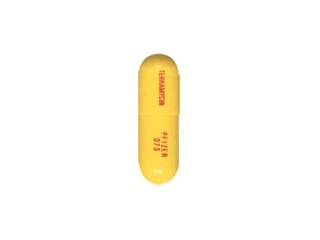
| Available Forms & Strengths | Tablets (250 mg, 500 mg), Capsules (250 mg, 500 mg), Ophthalmic Ointment (1%), Powder for Oral Suspension, Injection (hospital only) |
| Main Manufacturers | Pfizer, Aspen Pharmacare, Sigma Pharmaceuticals, various generics |
| Prescription Status in Australia | Prescription only (Schedule 4 – Prescription Medicine – S4) |
Mechanism of Action
For patients: Terramycin contains oxytetracycline, an antibiotic in the tetracycline class. It works by stopping the growth of bacteria that cause infections in your body. It does this by blocking protein production in bacteria, which they need to grow and multiply.
For healthcare professionals: Oxytetracycline reversibly binds the 30S ribosomal subunit, inhibiting aminoacyl-tRNA from attaching to the mRNA-ribosome complex, ultimately blocking bacterial protein synthesis. It is bacteriostatic but can have bactericidal activity at high concentrations.
Pharmacokinetics
- Absorption: Well absorbed orally (particularly on an empty stomach), though absorption is reduced by dairy and some other foods.
- Metabolism: Minimal hepatic metabolism; most of the drug remains unchanged in the body.
- Elimination: Excreted mainly via kidneys (urine), with some biliary excretion.
- Duration of Action: Typically requires dosing every 6–12 hours, depending on indication and formulation.
- Time to Peak: 2–3 hours post oral administration.
Everyday Use & Best Practices
Terramycin is used to treat a range of infections, including respiratory, urinary, skin, eye, and some sexually transmitted infections. Sometimes, it is also used to manage acne or treat certain animal bites.
- Always take Terramycin as directed by your GP or specialist pharmacist.
- Typical adult dose: 250 mg–500 mg every 6–12 hours.
- For children: Doses are weight-based and your doctor will advise the best amount for your child.
- Ophthalmic (eye) ointment: Applied 2–4 times daily to the affected eye(s).
- Complete the full course of treatment, even if you feel better, to avoid antibiotic resistance.
- If you forget a dose, take it as soon as possible. If it’s almost time for your next dose, skip the missed dose—do not double up.
Dosing in the Morning vs. Evening
- Consistency is key: Take your medicine at roughly the same times each day for best results—e.g., 8 am and 8 pm for twice daily dosing. This helps maintain steady antibiotic levels in your body.
- Morning advantage: May be easier to fit into daily routines and avoid missed doses.
- Evening caution: If you take it late at night, avoid lying down straight after, as this may cause irritation to the oesophagus. Drink plenty of water with each dose.
Taking with Food or on an Empty Stomach
- For best absorption: Take Terramycin 1 hour before or 2 hours after meals.
- Foods to avoid at dose times: Dairy products (milk, cheese, yoghurt), antacid tablets, iron or calcium supplements—these can reduce absorption.
- Australian dietary advice: If you regularly consume dairy in your diet, try to time your doses between main meals.
- If you experience stomach upset: You may take Terramycin with a small snack (not containing dairy), but this may slightly reduce how much medicine your body absorbs.
Interaction Warnings
| Substance or Drug | Interaction Effect | Advice |
|---|---|---|
| Dairy products (milk, yoghurt, cheese) | Reduces absorption of oxytetracycline | Avoid 2 hours before/after dose |
| Antacids, iron, calcium, zinc supplements | Decrease the effectiveness of medicine | Avoid at least 2 hours apart |
| Alcohol | May increase liver strain; worsens side effects | Best avoided during treatment |
| Blood thinners (e.g., warfarin) | Possible increased bleeding risk | Regular monitoring, consult your GP |
| Contraceptive pill | May reduce effectiveness of contraception | Use additional contraception during antibiotic course |
| Retinoids (e.g., isotretinoin) | Increased risk of intracranial hypertension | Avoid combination, consult prescriber if unsure |
Approved and Off-Label Indications
| Indication | Approved in Australia? | Notes |
|---|---|---|
| Respiratory tract infections (e.g., bronchitis, pneumonia) | Yes | For confirmed susceptible strains |
| Urinary tract infections | Yes | As second-line agent |
| Skin infections (e.g., acne vulgaris) | Yes | Often used for moderate to severe acne |
| Conjunctivitis, trachoma (eye ointment) | Yes | Classic indication for ointment |
| Rickettsial infections (e.g., Q fever, typhus) | Yes | Alternative to doxycycline |
| Chlamydia trachomatis | Off-label | Generally, doxycycline preferred |
| Mycoplasma, Ureaplasma infections | Off-label | Specialist use, alternative to other tetracyclines |
Dosing by Clinical Indication
| Indication | Adults | Children (≥8 yrs) | Elderly |
|---|---|---|---|
| General infections (e.g., chest, ear, urinary) | 250–500 mg every 6 hours | 20–40 mg/kg/day in divided doses | As for adults, with monitoring for kidney function |
| Acne vulgaris | 250–500 mg twice daily | Not generally recommended | As for adults |
| Eye infections (ointment) | Apply ribbon to affected eye 2–4x daily | As for adults | As for adults |
| Severe infections | Up to 1g every 6–12 hours (specialist only) | Max 2g/day in divided doses | Cautious use—consider hepatic/renal impairment |
Safety Profile & Side Effects
| Side Effect | Frequency | Patient Advice |
|---|---|---|
| Nausea, vomiting, diarrhoea | Common | Take on empty stomach, small snack if needed |
| Photosensitivity (skin rash/burns in sun) | Common | Use sunscreen, hat; avoid strong sunlight |
| Loss of appetite | Occasional | Eat small frequent meals |
| Allergic reactions (rash, swelling) | Rare | Stop medicine, seek medical attention |
| Teeth discolouration (children <8 yrs) | Rare | Not recommended under age 8 |
| Liver or kidney issues | Very rare | Doctor will monitor with blood tests if needed |
| Yeast infection/thrush | Occasional, especially prolonged use | Mention symptoms to your GP/pharmacist |
Guidelines for Proper Use (Australia)
- Always complete the prescribed course—even if symptoms resolve early.
- Inform your GP or pharmacist about other medicines and supplements you are taking.
- Store tablets/capsules in a cool, dry place below 25°C.
- Do not share your antibiotics with others, even if symptoms appear similar.
- If you develop severe headache, vision changes, or severe allergic reaction, seek urgent medical care.
- Return any unused or expired medication to your local pharmacy for free disposal.
Alternative Treatment Options
- Doxycycline: Another tetracycline, often preferred due to once-daily dosing and fewer dietary restrictions. Reimbursed by the Pharmaceutical Benefits Scheme (PBS).
- Erythromycin: Especially suitable for those with tetracycline allergy or where contraindicated. Also PBS-subsidised for many indications.
- Minocycline, Lymecycline: Specialist use, particularly for skin and resistant infections.
- Trimethoprim, amoxicillin, cephalexin, or clindamycin: May be used depending on infection site and allergy profile.
Compare:
- Terramycin: Well-studied, effective, but strict food/interaction requirements.
- Doxycycline: Once daily, fewer food restrictions, first-line for many infections.
- Erythromycin: Useful alternative, wider GI side effects.
Legal, Registration, & Reimbursement Status in Australia
- Legal class: Schedule 4 (Prescription Only Medicine)
- Registration: Registered as per the Therapeutic Goods Administration (TGA) of Australia
- Reimbursement: Available on the PBS for key indications (e.g., acne, respiratory infections, certain eye conditions)
- Cannot be purchased over the counter in pharmacies.
Recent Research & Clinical Guidance (2022–2025)
- 2022–2023 Australian Therapeutic Guidelines recommend tetracyclines, with a preference for doxycycline, for respiratory, dermatological, and rickettsial infections (Therapeutic Guidelines, 2023).
- Recent clinical consensus (Jones et al., 2024, Aust Prescr) highlights the role of oxytetracycline as a valuable alternative for patients unable to take first-line agents.
- No significant changes in resistance patterns for oxytetracycline have been observed in Australia (2022–2024 surveillance reports).
- Terramycin ointment remains a standard in rural and remote Indigenous eye health programs (AIHW, 2025).
Availability & Delivery
Terramycin (oxytetracycline) is widely available in Australia on prescription. Most community and hospital pharmacies keep stock, especially of oral and ophthalmic forms.
| Form/Pack Size | Typical Price (AUD) | Delivery (Metropolitan) | Delivery (Regional/Remote) |
|---|---|---|---|
| Tablets/capsules 250 mg x 28 | $16–$32 (PBS-subsidised) | 1–2 business days | 2–5 business days |
| Tablets/capsules 500 mg x 28 | $24–$40 (PBS-subsidised) | 1–2 business days | 2–5 business days |
| Eye ointment 5 g tube | $10–$18 | 1–2 business days | 2–5 business days |
Home delivery is available from most larger pharmacy groups. Click-and-collect may also be offered.
FAQ – Common Patient Questions
- How long does it take for Terramycin to work?
You should notice improvement within 2–3 days of starting treatment. If symptoms do not improve or worsen, consult your GP. - Can I take Terramycin with my usual meals?
It's best taken 1 hour before or 2 hours after eating—especially avoiding milk/dairy at those times. Ask your pharmacist for timing advice if your meals are irregular. - What should I do if I miss a dose?
Take it as soon as you remember unless it's almost time for your next dose. Never double the dose to catch up. - Is it safe during pregnancy or breastfeeding?
Oxytetracycline is usually avoided in pregnancy and breastfeeding. Discuss alternatives with your GP if you are or may become pregnant. - Can Terramycin stain my teeth?
Yes, in children under 8 years, it can cause permanent tooth staining and should not be used except on specialist advice.