Phoslo (Calcium Acetate) – Patient-Friendly Guide for Australia
Basic Product Information
| International Non-Proprietary Name (INN) | Calcium Acetate |
|---|---|
| Australia Brand Names | Phoslo®, Calphron®, Phosex®, other generic equivalents |
| ATC Code | V03AE07 |
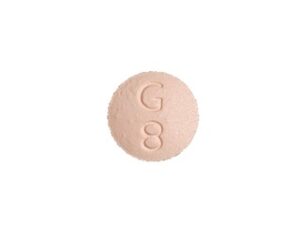
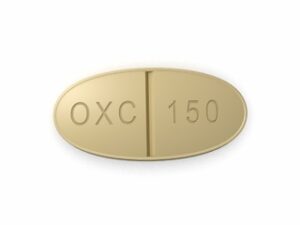
| Available Forms & Strengths | Capsules (667 mg), Tablets (500 mg, 667 mg), Oral Solution (667 mg/5mL) |
| Manufacturers | Fresenius Medical Care, Teva, Apotex, Sandoz |
| Prescription Status | Prescription only (Schedule 4, S4) |
How Phoslo (Calcium Acetate) Works
For patients: Phoslo helps reduce high levels of phosphate in your blood, which is especially important for people with chronic kidney disease (CKD) on dialysis. It works by binding phosphate from food in your stomach and guts, stopping your body from absorbing it and helping your body to get rid of the excess naturally.
For healthcare professionals: Calcium acetate acts as a phosphate binder. In the gastrointestinal tract, it reacts with dietary phosphate to form insoluble calcium phosphate, which is excreted in the faeces. This process reduces serum phosphate concentrations, essential in advanced CKD to mitigate hyperphosphataemia-related complications.
Pharmacokinetics
- Absorption: About 30–40% of ingested calcium acetate is systemically absorbed; the rest acts locally in the gut.
- Metabolism: Not metabolised in the liver; the acetate and calcium components are naturally processed—calcium is absorbed per calcium homeostasis, acetate is a substrate for the Krebs cycle.
- Elimination: Excess calcium is excreted renally (through urine), while non-absorbed phosphate binder is excreted in the faeces.
- Duration of Action: Peak binding occurs with meals, so dose timing with food is critical; the effect lasts until the next major meal.
Practical Use and Best Practices in Australia
Calcium acetate is usually prescribed for people on dialysis who have high phosphate levels that can't be controlled by diet alone. Managing phosphate is crucial because high phosphate levels can weaken your bones, itchy skin, and lead to heart and blood vessel problems.
- Typical Dose: Usually 2–4 capsules/tablets (667 mg each) taken before or with each meal. Your dose may be adjusted depending on your blood test results.
- How to Use: Take exactly as prescribed. Swallow tablets whole with a full glass of water—do not crush or chew unless told to by your doctor or pharmacist.
- Dietary Advice: A dietitian may help you plan a low-phosphate diet to complement your medication.
- English Context: Many common English foods (cheese, baked beans, wholegrain bread) can be high in phosphate; taking Phoslo with meals is especially important.
Dosing: Morning vs Evening
- Morning: Taking Phoslo with breakfast ensures early-day phosphate binding from typically larger meals.
- Advantage: May help establish routine; helpful for those eating main meal in the morning.
- Disadvantage: Skipped breakfast means missed dose.
- Evening: Many Australians consume their main meal in the evening.
- Advantage: Targets phosphate from larger or richest meals.
- Disadvantage: May forget dose if tired at end of day.
- Best Practice: Take Phoslo with every main meal, regardless of time — consistency is key.
- Tip: Use a medication organiser or phone reminder to stay on track.
Taking Phoslo with Food or Fasted
Always take Phoslo with food. It is much less effective when taken on an empty stomach because it needs to bind phosphate in the gut from meals. In Australia, typical phosphate-rich foods include dairy products, eggs, wholegrains, and processed meats — be extra careful with these. If you miss a meal, skip the dose (do not double-up the next time).
Interaction Warnings
| Substance | Interaction |
|---|---|
| Calcium supplements, antacids | Risk of high blood calcium (hypercalcaemia) |
| Vitamin D (calcitriol, cholecalciferol) | Increases calcium absorption (monitor levels) |
| Tetracyclines, Quinolone antibiotics | Reduced absorption of antibiotics — separate doses by at least 2 hours |
| Levothyroxine | Reduced absorption — space at least 4 hours apart |
| Iron, Zinc, Magnesium supplements | May decrease absorption of these minerals — take at a different time |
| Alcohol | May upset stomach; not specifically contraindicated but moderation advised |
| Foods high in phosphate | May overwhelm binder effect; follow dietitian guidance |
Indications for Use
| Indication | Official/Off-label | Clinical Notes |
|---|---|---|
| Hyperphosphataemia in CKD on dialysis | Official (PBS-listed) | Main approved use in Australia |
| Hyperphosphataemia in CKD not on dialysis | Off-label | Rare, specialist-initiated, requires close monitoring |
| Phosphate control in other conditions (tumour lysis, hypoPTH) | Off-label | Specialist input required |
Dosing According to Indication
| Population | Starting Dose | Typical Titration | Max Dose |
|---|---|---|---|
| Adults (CKD on dialysis) | 2 tablets/capsules (667 mg) with each meal | Increase by 1 tablet per meal as needed every 2–4 weeks | Up to 6 tablets per meal (as tolerated) |
| Paediatric (off-label, specialist only) | Begin with 1–2 tablets per meal (as weight-appropriate) | Adjust according to serum phosphate and calcium | Individually determined; avoid excessive calcium load |
| Elderly | As above; start at lower end if risk of hypercalcaemia | Monitor renal/vascular calcification | Avoid high total daily calcium intake |
Safety Profile and Side Effects
- Common: Constipation, bloating, nausea, dry mouth, mild hypercalcaemia
- Uncommon/Rare: Severe hypercalcaemia (confusion, weakness, arrhythmia), kidney stones, gastrointestinal obstruction
- Eligible persons for close monitoring: Elderly, those with history of kidney stones, patients on digoxin or other calcium-increasing medicines
- Warnings: Avoid exceeding total daily calcium requirements; ensure monitoring of serum calcium and phosphate every 1–3 months
| Side Effect | Frequency | Advice |
|---|---|---|
| Constipation | Common | Increase fluids/fibre; consult GP if persistent |
| Nausea, vomiting | Common | Take with food; contact GP if severe |
| Hypercalcaemia symptoms (confusion, muscle pain, irregular heart beat) | Uncommon | Seek immediate medical attention |
| Gastrointestinal blockage | Rare | Seek urgent medical care for persistent severe abdominal pain |
| Allergic reaction | Very rare | Stop medication and contact emergency services |
Guidelines for Proper Use (Australia-Focused)
- Take with or just before meals, three times daily — do not skip main meals or doses.
- Keep track of your blood tests (phosphate and calcium); review them with your nephrologist regularly.
- Take only as much as you need — more is not better and may be harmful.
- Report symptoms like severe constipation, weakness, or confusion promptly.
- Carry an up-to-date medication list to all medical appointments.
- If you eat out or have a takeaway meal rich in phosphate (e.g., pizza, chicken), remember to take your binder.
- Pharmacy tip: Store at room temperature; keep away from children.
Alternative Treatment Options Available in Australia
- Sevelamer (Renvela®, generic) – Non-calcium phosphate binder (PBS reimbursed), suitable for patients at risk of high calcium
- Lanthanum carbonate (Fosrenol®) – Chewable, may suit those intolerant to other binders
- Aluminium hydroxide – Less preferred due to toxicity with long-term use
- Dietary management – Used alongside medication in all patients
Comparative Overview: Calcium acetate is effective and cost-efficient but may cause high calcium in some. Sevelamer is preferred if you have high blood calcium or cardiovascular risk. Lanthanum is used in patients who cannot tolerate other binders. Your kidney team will help tailor the right combination for your needs.
Legal, Registration, and Reimbursement Status in Australia
- Registered with the Therapeutic Goods Administration (TGA)
- Prescription required (S4 substance)
- Phoslo and generic calcium acetate are available under the Pharmaceutical Benefits Scheme (PBS) for eligible patients
- Supplied under government and private insurance
- Subject to ongoing clinical review and monitoring guidelines as per Kidney Health Australia
Latest Research & Clinical Guidance (2022–2025)
Recent Australian and international guidelines (KDIGO 2022, Kidney Health Australia recommendations 2023) emphasise strict phosphate control for CKD patients, but highlight the need to avoid excess calcium due to increased vascular calcification risk. Several recent studies (Renal Society of Australasia Journal 2024; Med J Aust 2023) found calcium acetate remains effective as a first-line phosphate binder in the right patients, but regular monitoring is crucial. Non-calcium binders such as sevelamer are now increasingly used for those with extra risk factors (age, cardiovascular disease). For further reading, consult the Kidney Health Australia website.
Availability, Pricing, and Delivery in Australia
Calcium acetate is widely available through all major Australia pharmacy chains. Generic versions are common on the PBS.
| Pack Size | Tablets/Capsules | Indicative PBS Price* | Estimated Delivery (Sydney) | Estimated Delivery (Melbourne) | Estimated Delivery (Brisbane) | Estimated Delivery (Other Cities) |
|---|---|---|---|---|---|---|
| Small | 100 | $16.50 | Next working day | 1–2 days | 1–2 days | 2–4 days |
| Large | 250 | $29.95 | Next working day | 1–2 days | 1–2 days | 2–4 days |
*Prices updated as of January 2024; patient co-payments may differ depending on PBS status, concession cards, or private prescription.
Frequently Asked Questions (FAQ)
- How long do I need to stay on Phoslo?
Most people with CKD on dialysis need ongoing phosphate binding. Your doctor will periodically check your levels and may adjust your dose or change your binder based on results. - Can I crush or split the tablets?
It’s best to swallow Phoslo tablets or capsules whole. If you have trouble swallowing, ask your pharmacist or doctor — an oral solution may be available. - What if I miss a dose?
If you miss a dose with a meal, skip it and take the next scheduled dose with your next meal. Do not double-up. - Can I take Phoslo with other medications?
Some medicines and supplements can interact with Phoslo. Always check with your pharmacist before adding any new medicines or vitamins — especially antibiotics, thyroid medications, or other calcium-containing products. - Is Phoslo safe during pregnancy and breastfeeding?
There’s limited data on use in pregnancy or when breastfeeding. Only use if your doctor advises it is essential.
Need further advice? Speak with your pharmacist or kidney specialist, or visit Healthdirect Australia for trusted information.