

Rabeprazole (Rabeprazole Sodium): Patient-Friendly Guide for Australia
Basic Product Information
| International Nonproprietary Name (INN): | Rabeprazole |
| Common Australia Brand Names: | Pariet®, Acimax®, Rabicip®, Hayrab®, Zorab® |
| ATC Code: | A02BC04 |
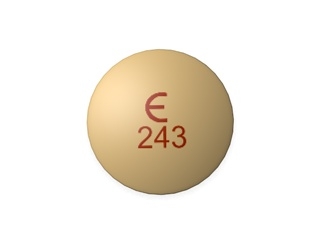
| Available Forms & Strengths: | Tablets: 10 mg, 20 mg (enteric coated, delayed-release) |
| Manufacturers (AU): | Eisai, Aspen, Alphapharm, Mylan, Sandoz, Apotex, among others |
| Prescription Status: | Prescription only (Schedule 4, S4 medicine in Australia) |
Mechanism of Action
Simple Explanation:
Rabeprazole belongs to a group of medicines called "proton pump inhibitors" (PPIs). It works by reducing the amount of acid your stomach makes. This can help relieve symptoms like heartburn, indigestion, and healing stomach ulcers.
For Specialists:
Rabeprazole irreversibly inhibits H+/K+ ATPase enzyme (the proton pump) in gastric parietal cells, leading to suppression of gastric acid secretion. Acid suppression occurs rapidly, with a prolonged duration of action after a single daily dose.
Pharmacokinetics
- Absorption: Rapidly absorbed, bioavailability about 52% after oral administration. Peak plasma concentration reached in ~2-5 hours.
- Metabolism: Extensively metabolised in the liver via CYP2C19 and CYP3A4 enzymes.
- Elimination: Excreted primarily in urine (90%) as metabolites, minor amount in faeces.
- Duration of Action: 24 hours or more acid suppression after single dose.
- Half-life: About 1–2 hours (short), but effect on acid lasts much longer due to irreversible binding.
Use in Everyday Life & Best Practices
Rabeprazole is most commonly used in Australia to treat acid reflux symptoms (such as heartburn), gastro-oesophageal reflux disease (GORD), peptic ulcers, and as part of treatment to eradicate Helicobacter pylori (H. pylori) infections. It is also used for Zollinger-Ellison syndrome and non-steroidal anti-inflammatory drug (NSAID)-associated ulcers.
Typical doses:
- GORD/heartburn: 10–20 mg once daily
- Duodenal or gastric ulcers: 20 mg once daily
- H. pylori eradication (triple therapy): 20 mg twice daily (with 2 antibiotics)
- Zollinger-Ellison syndrome: 60 mg daily in divided doses, adjusted as necessary
Rabeprazole is usually taken for 4–8 weeks, but duration can vary by condition and doctor’s advice.
How to use: Swallow the tablet whole with water; do not crush or chew. Take at the same time each day for best results.
Dosing: Morning vs Evening
- Morning: Preferred for most people, especially for symptoms mainly during the day. Helps control acid at its peak production (after breakfast).
- Evening: Can be useful for those with night-time symptoms. Always follow your doctor or pharmacist’s instructions.
- Tip: Take around the same time each day to help with adherence. Set a reminder if needed.
Taking With Food or on an Empty Stomach
It is best to take rabeprazole before eating, ideally at least 30 minutes before breakfast. Food may slightly slow absorption, but does not reduce its effectiveness. For patients with busy schedules or irregular meal times (common in Australia), choose a consistent time that suits your daily habits.
Interaction Warnings
Some foods, drinks, and medicines can interact with rabeprazole, affecting how it works or increasing side effects. Discuss all your medicines with your doctor or pharmacist.
| Substance or Drug | Interaction | Advice |
|---|---|---|
| Alcohol | No direct interaction with rabeprazole, but alcohol can worsen stomach symptoms | Limit alcohol to reduce stomach irritation |
| Clopidogrel (antiplatelet) | May reduce effect of clopidogrel | Avoid or use with caution; discuss alternatives |
| Antifungals (e.g., ketoconazole, itraconazole) | Reduced effectiveness due to lower stomach acid | Speak to your doctor for timing advice |
| Iron supplements, Vitamin B12 | Reduced absorption with long-term use | Monitor, supplement if necessary |
| Warfarin, Methotrexate, Digoxin, HIV medications | Possible altered blood levels | Regular monitoring needed |
| Antacids | Minimal; can take together if needed | Separate doses by 30–60 minutes for best effect |
Indications
| Condition | Official (TGA approved) | Off-label (Specialist discretion) |
|---|---|---|
| Gastro-oesophageal reflux disease (GORD) | ✔ | — |
| Peptic ulcers (duodenal/gastric) | ✔ | — |
| H. pylori eradication (triple therapy) | ✔ | — |
| NSAID-associated ulcers | ✔ | — |
| Zollinger-Ellison syndrome | ✔ | — |
| Chronic cough associated with reflux | — | ✔ |
| Barrett's oesophagus, dyspepsia, other acid-related disorders | — | ✔ |
Dosing According to Clinical Indications
| Indication | Adults | Paediatric (Age 12+ years) | Elderly |
|---|---|---|---|
| GORD/Heartburn | 10–20 mg once daily | 10–20 mg once daily | Same as adults; no adjustment needed |
| Peptic Ulcers | 20 mg once daily (4–8 weeks) | Not routinely recommended | Same as adults |
| H. pylori Eradication | 20 mg twice daily (with amoxicillin, clarithromycin 7 days) | Not routinely recommended under 18 | Same as adults |
| Zollinger-Ellison Syndrome | 60 mg daily in divided doses (individual titration) | Not recommended | Same as adults (monitor renal function) |
Safety Profile & Side Effects
Like all medicines, rabeprazole may cause side effects. Most are mild and temporary, but some require prompt medical attention. If you’re concerned, speak to your pharmacist or doctor.
| Common Side Effects (>1%) | Uncommon / Rare Side Effects | Serious Warnings |
|---|---|---|
|
|
|
Specific cautions: Long-term use (more than 3 months) can affect absorption of some vitamins and minerals, increase fracture risk, or mask stomach cancer symptoms. Always review long-term use with your doctor.
Guidelines for Proper Use (Advice for Australia Patients)
- Take the tablet whole with a glass of water; do not crush, chew, or break.
- For best effect, take before food—ideally before breakfast.
- Keep to the same time each day for regular acid control.
- Avoid excessive fatty, spicy, or acidic foods if they trigger your symptoms (common in English diet—e.g. fried foods, coffee, citrus; also reduce intake of rich foods such as pies, chips, or heavy meats).
- Do not stop taking rabeprazole suddenly unless advised by your doctor (may cause acid rebound).
- If you miss a dose, take it as soon as you remember. If nearly time for the next dose, skip the missed dose—do not double up.
- Discuss with your doctor if you need rabeprazole for periods longer than 3 months.
- Report any sign of unusual bleeding, persistent stomach pain, or unintended weight loss immediately.
- Keep out of reach of children. Store at room temperature (<25°C), in a dry place.
Alternative Treatment Options
- Other Proton Pump Inhibitors (PPIs):
- Omeprazole (brand name: Losec®) – similar efficacy, widely available on PBS
- Esomeprazole (Nexium®) – once daily, sometimes more expensive
- Pantoprazole (Somac®) – available in IV/PO forms, low drug–drug interactions
- Lansoprazole (Zoton®) – less commonly used, PBS listed
- H2 Receptor Antagonists:
- Ranitidine and famotidine – less potent, used for mild reflux; note ranitidine's withdrawal in Australia due to contamination concerns.
- Antacids (over the counter): Quick symptom relief but not a long-term solution.
- Prokinetic agents (specialist use): For specific motility disorders.
Pros and Cons: Rabeprazole is very effective in acid suppression and usually well-tolerated. Some alternatives may have slight differences in speed of action, duration, cost or likelihood of drug interactions.
Legal, Registration and Reimbursement Status in Australia
- Registered with: Therapeutic Goods Administration (TGA) as a Schedule 4 (Prescription Only Medicine).
- Prescription needed: Yes, from a licensed Australian healthcare professional.
- PBS (Pharmaceutical Benefits Scheme): Rabeprazole, omeprazole, esomeprazole, lansoprazole and pantoprazole are all PBS-listed for certain conditions. Usually, concessional and general co-payments apply.
- Pharmacy supply: Only by registered pharmacists on valid prescription.
Latest Research & Clinical Guidance (2022–2025)
- Updates to guidelines: Australian Therapeutic Guidelines (2023) and Gastroenterological Society of Australia continue to recommend PPIs, including rabeprazole, as first-line for acid suppression, with periodic review for all long-term users (TGA).
- Research 2022–2025: Studies confirm PPIs remain superior to H2RAs for healing severe GORD & ulcers, but encourage lowest effective dose and regular review to limit potential long-term side effects (Source: Digestive Diseases Week 2024, BMJ 2023).
- H. pylori: Shorter PPI-based triple therapy regimens recognised as effective, but antibiotic resistance is a growing challenge (Gastroenterology Journal 2023).
- New safety recommendations: Monitor for B12/magnesium deficiency and renal function during extended use; consider step-down therapy where possible (Australian Prescriber 2024).
Availability and Delivery (Australia-Wide)
| Pack Size | Common Brands | PBS Status | Indicative Price (A$) |
|---|---|---|---|
| 30 tablets (20 mg) | Acimax, Pariet, Hayrab | PBS | $15–$30 (with concession $7.30) |
| 14 tablets (20 mg) | Zorab, Rabicip | Non-PBS/private | $10–$18 |
Estimated Delivery Times (Metro Areas)
| City | Standard Delivery | Express Delivery |
|---|---|---|
| Sydney | 1–3 business days | Same day–next day |
| Melbourne | 1–3 business days | Same day–next day |
| Brisbane | 2–4 business days | 1–2 days |
| Perth | 3–5 business days | 1–2 days |
| Adelaide | 1–3 business days | Same day–next day |
Delivery estimates depend on pharmacy location, time of order, and postal circumstances. Most major Australian chains offer click-and-collect options.
Frequently Asked Questions (FAQ)
- Can I take rabeprazole with other medicines?
Always check with your pharmacist or doctor before starting new medicines, including over-the-counter and herbal options, as some combinations can affect effectiveness or safety. - Is long-term use of rabeprazole safe?
Rabeprazole is generally safe for long-term use if medically necessary, but periodic review is important. Long-term use may affect mineral/vitamin levels or gut bacteria, so regular monitoring is advised. - What should I do if I miss a dose?
Take the missed dose as soon as you remember unless it’s nearly time for your next dose. Do not take two doses at once. - What foods should I avoid with rabeprazole?
Avoid foods and drinks that make your symptoms worse, such as strong coffee, spicy foods, high-fat and fried foods, chocolate, and alcohol. - Can I drink alcohol while taking rabeprazole?
Moderate alcohol is unlikely to interact directly with this medicine but may irritate your stomach lining and worsen symptoms.
For further information or advice, always consult your Australian healthcare professional or your local pharmacist.