
Mirtazapine: Patient Guide for Australians
Basic Product Information
| International Non-Proprietary Name (INN) | Mirtazapine |
|---|---|
| Brand Names (Australia) | Avanza®, Axit®, Mirtazon®, Mirtaz®, Remeron®, amongst others |
| ATC Code | N06AX11 |
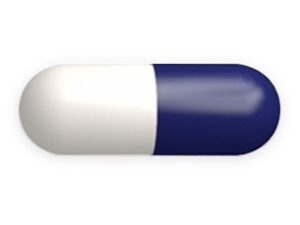
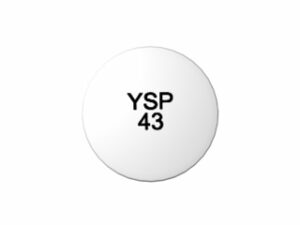
| Available Forms & Strengths | Tablets: 15 mg, 30 mg, 45 mg; Orally Disintegrating Tablets: 15 mg, 30 mg, 45 mg |
| Manufacturers | Various; e.g., Organon, Apotex, Sandoz, Viatris |
| Prescription Status (Australia) | Prescription only; Schedule 4 (Prescription Medicine) |
Mechanism of Action
In simple terms: Mirtazapine works by restoring the balance of certain natural chemicals in the brain (called neurotransmitters, mainly noradrenaline and serotonin). This helps improve mood, relieve anxiety, promote sleep, and improve appetite in people with depression or related conditions.
For specialists: Mirtazapine is a noradrenergic and specific serotonergic antidepressant (NaSSA). Its mechanism involves presynaptic α2-adrenergic antagonism (increasing central noradrenergic and serotonergic neurotransmission) and selective blockade of post-synaptic 5-HT2 and 5-HT3 receptors, which minimises typical SSRI side effects such as gastrointestinal upset and sexual dysfunction. Minimal inhibition of serotonin reuptake occurs.
Pharmacokinetics
- Absorption: Well-absorbed orally; peak plasma concentrations are reached within about 2 hours of taking a tablet.
- Metabolism: Primarily metabolised in the liver via CYP1A2, CYP2D6, and CYP3A4 enzymes.
- Elimination: Mainly excreted via urine (75%) and faeces (15%).
- Duration of Action/Half-life: Approximately 20 to 40 hours. Steady-state plasma concentrations are reached after 4 days of dosing.
Use in Everyday Life and Best Practices
- Typical starting dose for adults: 15 mg once daily in the evening (preferably at bedtime due to potential sedation).
- The dose may be increased to 30–45 mg daily based on clinical response after 1–2 weeks.
- Mirtazapine tablets can be swallowed whole or, for the orally disintegrating version, allowed to dissolve on the tongue without water.
- Mirtazapine is not a controlled drug but should only be taken on the advice and prescription of a registered Australian health professional.
- Always take at the same time each day for best results and discuss any missed doses or concerns with your GP or pharmacist.
Dosing: Morning vs Evening
- Evening dosing is generally advised as mirtazapine often causes drowsiness, which can help with sleep in patients experiencing insomnia.
- Morning dosing may cause unwanted daytime drowsiness and is usually avoided unless advised otherwise by your doctor.
- Establish a routine—set daily reminders or link your dose with another regular evening activity.
- Do not drive or operate machinery after your dose until you know how mirtazapine affects you.
Taking With Food or on an Empty Stomach
Mirtazapine can be taken with or without food. Food does not significantly affect absorption, but some patients find taking it with a light meal helps with any initial stomach upset. In the context of the typical English/Australian diet, take with your evening meal if preferred, but avoid heavy or high-fat foods right before bed if you experience reflux.
Interaction Warnings
| Type | Specific Examples/Advice |
|---|---|
| Alcohol | Avoid or limit; increases sedation and risk of side effects. |
| Medications |
|
| Food | No significant interactions; consistent with normal English/Australian diet. |
| Herbal Supplements | St John’s Wort (Hypericum): Avoid; can reduce effectiveness and/or increase serotonin syndrome risk. |
Indications
| Official (Therapeutic Goods Administration – TGA) | Off-Label (Australian clinical practice) |
|---|---|
|
|
Dosing According to Clinical Indication
| Indication / Age Group | Starting Dose | Typical Maintenance Dose | Max Dose |
|---|---|---|---|
| Adults – Depression | 15 mg once daily | 15–45 mg once daily | 45 mg daily |
| Elderly – Depression | 15 mg once daily | 15–30 mg once daily (use minimum effective dose) | 45 mg daily |
| Youth (under 18) | Not routinely recommended (off-label); specialist advice needed | Individualised | Individualised |
| Anxiety / PTSD (off-label) | 15 mg once daily | 15–30 mg once daily | 45 mg daily |
| Appetite stimulation (off-label, e.g., elderly) | 7.5–15 mg once daily | As tolerated | 30 mg daily |
Important: Dosage adjustments may be required in liver and kidney disease; consult your doctor/pharmacist.
Safety Profile and Side Effects
| Frequency | Possible Side Effects | Warning/Management |
|---|---|---|
| Common (>10%) |
| Avoid driving if drowsy; monitor weight; maintain hydration and fibre intake |
| Uncommon/Rare (<1%) |
|
|
| Serious |
|
|
Guidelines for Proper Use
- Always take mirtazapine as prescribed by your doctor. Do not stop suddenly without medical advice.
- Antidepressants may take up to 2–4 weeks to show full effect. Continue use even if you feel well unless advised otherwise.
- If you miss a dose, take it as soon as you remember unless it is nearly time for your next dose—do not double up.
- Store at room temperature, out of reach of children, and away from moisture or heat.
- Routine health reviews and blood tests may be advised to monitor for rare but serious side effects.
- Discuss any other medications or supplements with your GP or pharmacist to avoid interactions.
- Dispose of unused medicines responsibly via your local pharmacy (Return Unwanted Medicines Project).
Alternative Treatment Options
- SSRIs (e.g., sertraline, fluoxetine, escitalopram): Often first-line; usually less sedating but sometimes cause insomnia, sexual dysfunction, or nausea.
- SNRIs (e.g., venlafaxine, duloxetine): Useful for depression and some anxiety; similar side effects to SSRIs.
- Bupropion: Less sedating, can cause insomnia, not always available or subsidised for depression in Australia.
- Tricyclic antidepressants (e.g., amitriptyline): Older, more side effects, used when others are unsuitable.
- Psychological therapies: Cognitive behaviour therapy (CBT), interpersonal therapy; often recommended in combination or on their own, depending on severity.
- Reimbursement: Most antidepressants (SSRIs, SNRIs, mirtazapine itself) are available on the PBS (Pharmaceutical Benefits Scheme) for eligible patients in Australia.
Mirtazapine may be preferred: when insomnia, poor appetite, or intolerable side effects from other antidepressants are a concern. Discuss with your doctor which medicine is right for you.
Legal, Registration, and Reimbursement Status in Australia
- Registered with the Therapeutic Goods Administration (TGA) as a prescription-only antidepressant.
- Schedule 4 (Prescription Only Medicine) under the Poisons Standard.
- Subsidised on the Pharmaceutical Benefits Scheme (PBS) for major depressive disorder.
- Not a controlled substance—no requirement for special authority scripts for depression.
- Consult your GP or psychiatrist for legal and appropriate use in Australia.
Latest Research and Clinical Guidance (2022-2025)
- Recent guidelines (e.g., RACGP Depression Guidelines 2024) affirm mirtazapine’s place as a second-line treatment for major depression—especially effective where sleep or appetite loss is a concern.
- 2023 Cochrane review shows similar effectiveness to SSRIs with greater benefits on sleep and appetite, but higher likelihood of weight gain or drowsiness.
- Ongoing studies (2022-2025) are assessing mirtazapine’s off-label use in anxiety and cancer-related cachexia, but it is not officially TGA-approved for these uses.
- Current consensus recommends not using mirtazapine as a routine add-on for treatment-resistant depression unless careful assessment by a psychiatrist.
Availability and Delivery in Australia
| Popular Pack Sizes | Indicative PBS Price (2024, AU) | Major City Delivery (metro areas, working days) |
|---|---|---|
| 30 tablets (15 mg, 30 mg, 45 mg) | $14.80 (PBS general); $7.30 (concession), varies privately | Sydney: 1-2 days Melbourne: 1-2 days Brisbane: 1-2 days Perth/Adelaide: 2-4 days Tasmania/NT: 3-5 days |
| 60 tablets | $20–$35 (private, non-PBS brands or pack sizes) | As above |
Availability may vary by brand and pharmacy. Most local and online Australian pharmacies can dispense mirtazapine with a valid prescription. Delivery times can be longer in rural areas or for remote communities.
Frequently Asked Questions (FAQ)
- How long does mirtazapine take to work?
Most patients notice some improvement in mood, sleep, or appetite within 1-2 weeks, but best effects are usually seen after 4 weeks. Continue taking as prescribed and talk to your doctor if you have concerns. - Can I drink alcohol with mirtazapine?
It is best to avoid alcohol while taking mirtazapine, as it can increase drowsiness, impair judgment, and worsen depression. Have a conversation with your pharmacist or doctor if occasional small amounts are unavoidable. - Is weight gain likely?
Increased appetite and weight gain are common, especially at higher doses or in longer-term use. Maintaining a balanced diet and regular physical activity is advised; discuss strategies with your GP or dietitian if weight gain is a concern. - Do I need a blood test while taking mirtazapine?
Routine blood tests are not always needed but may be recommended by your doctor to check for rare changes in white blood cells, liver function, or electrolytes, particularly if you feel unwell. - How do I safely stop mirtazapine?
Never stop suddenly. Your doctor will recommend a gradual dose reduction, which helps prevent withdrawal symptoms (e.g. dizziness, agitation, sleep disturbance). Always talk to your prescriber before making any changes.
For personalised advice, always consult your GP, mental health specialist, or registered Australian pharmacist.