

Esomeprazole: Patient-Friendly Information for Australia
Basic Product Information
| International Nonproprietary Name (INN): | Esomeprazole |
|---|---|
| Common Australia Brand Names: | Nexium®, Esomeprazole Sandoz®, Esomeprazole APO®, Esomeprazole-GA®, Esomeprazole Dr Reddy’s®, among others |
| ATC Code: | A02BC05 |
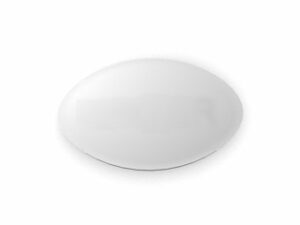
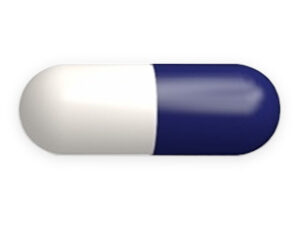
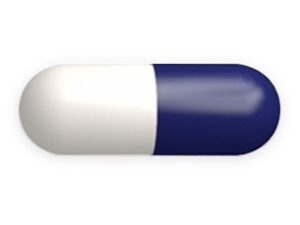
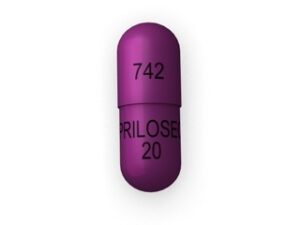
| Available Forms & Strengths: | Tablets/capsules: 20 mg, 40 mg Sachets/powder for oral suspension: 10 mg, 20 mg, 40 mg Intravenous preparations: 40 mg (hospital use) |
| Common Manufacturers: | AstraZeneca, Sandoz, Apotex, Generic manufacturers |
| Prescription Status: | Prescription-Only Medicine (Schedule 4/S4 in Australia) |
Mechanism of Action
- For Patients: Esomeprazole is a “proton pump inhibitor” (PPI). It reduces the amount of acid produced by the stomach, helping to relieve symptoms of reflux and prevent damage caused by too much stomach acid.
- For Specialists: Esomeprazole, the S-isomer of omeprazole, selectively inhibits the H+/K+ ATPase enzyme system (the proton pump) in gastric parietal cells, resulting in potent, dose-dependent suppression of basal and stimulated gastric acid secretion.
Pharmacokinetics
- Absorption: Esomeprazole is rapidly absorbed with peak plasma concentrations typically reached within 1–2 hours after oral administration.
- Bioavailability: About 50% after a single 20 mg dose, up to 68% after repeated doses.
- Distribution: Widely distributed throughout body tissues, with approximately 97% being protein-bound.
- Metabolism: Metabolised primarily in the liver via CYP2C19 and CYP3A4. Major metabolites are inactive.
- Elimination: Mostly excreted as metabolites in urine and faeces, with less than 1% as unchanged drug.
- Duration of action: Suppresses gastric acid secretion for up to 24 hours per dose.
Use in Everyday Life and Best Practices
Esomeprazole is commonly used in Australia for conditions related to excess stomach acid, including gastro-oesophageal reflux disease (GORD), healing of erosive oesophagitis, and for preventing ulcers when taking certain pain medicines.
Typical doses: 20–40 mg once daily. Some cases (e.g., severe erosive disease or Zollinger-Ellison syndrome) may require higher or twice-daily dosing. Your doctor or pharmacist will advise the best dose for you.
How to use: Swallow tablets or capsules whole with a glass of water. Do not chew or crush. Capsules may sometimes be opened and mixed with water for patients with swallowing difficulties. Always follow pharmacy instructions and the product leaflet for exact preparation/administration.
English/Australian context: Esomeprazole is widely prescribed and easily accessible in most Australian pharmacies. It is usually prescribed following guidelines by your GP or specialist. It should be used at the lowest effective dose, for the shortest possible time.
Dosing in the Morning vs Evening
- Morning dosing: Often preferred, as most gastric acid is secreted after waking and before breakfast. Taking Esomeprazole before breakfast (30–60 minutes prior) offers maximum effectiveness.
- Evening dosing: May be recommended if you have symptoms that trouble you at night (nocturnal reflux). In some cases, your doctor may advise splitting the dose or twice-daily use.
- Tips: Try to take your medicine at the same time each day. Set a reminder if needed, and do not double-dose if you miss a dose; just take the next usual dose.
Taking with Food or on an Empty Stomach
Esomeprazole is best absorbed and most effective when taken on an empty stomach, typically in the morning 30–60 minutes before eating.
Effect of meals: Food may reduce and delay the absorption, but the effect may not always be significant, especially with regular use. However, for a predictable effect, take as instructed.
For Australians: If you typically eat a light breakfast or skip breakfast, discuss with your pharmacist or doctor the best timing for your habits.
Interactions Warnings
| Potential Interaction | Advice/Explanation |
|---|---|
| Certain anticoagulants (warfarin, clopidogrel) | Esomeprazole may alter the effect of these medicines. Close monitoring by your doctor is advised. |
| HIV drugs (atazanavir, nelfinavir) | May reduce absorption of these medicines; seek specialist advice if used together. |
| Antifungals (ketoconazole, itraconazole) | Reduced absorption with Esomeprazole due to higher stomach pH. |
| St John’s Wort (herbal remedy) | May reduce Esomeprazole effectiveness. |
| Alcohol | Alcohol can worsen stomach irritation and GORD symptoms. It does not directly interact with Esomeprazole, but it’s best consumed moderately or avoided if you have reflux. |
| Food (meals) | See above, food may reduce esomeprazole’s effect. Take before meals as advised. |
Indications
| Indication | Official/Off-label |
|---|---|
| Gastro-oesophageal reflux disease (GORD) | Official |
| Healing of erosive oesophagitis | Official |
| Prevention of NSAID-related ulcers | Official |
| Treatment of Helicobacter pylori (with antibiotics) | Official |
| Zollinger-Ellison syndrome and other pathological hypersecretory conditions | Official |
| Relief of heartburn/acid regurgitation | Official (limited duration, some forms available OTC) |
| Functional (non-ulcer) dyspepsia | Off-label |
| Adjunctive therapy for other acid-related conditions | Off-label |
Dosing According to Clinical Indication
| Indication | Adults | Paediatrics | Elderly |
|---|---|---|---|
| GORD (symptom relief) | 20 mg once daily | 10–20 mg once daily (body weight-dependent; >1 year) | As per adults |
| Healing of erosive oesophagitis | 40 mg once daily (4–8 weeks) | 20–40 mg once daily (weight/age-dependent) | As per adults; no dose adjustment generally required |
| Maintenance of healed erosive oesophagitis | 20 mg once daily | 10–20 mg once daily | As per adults |
| Prevention of NSAID-related ulcers | 20–40 mg once daily | Not routinely used | As per adults; monitor closely |
| Helicobacter pylori eradication (with antibiotics) | 20 mg twice daily (with amoxicillin + clarithromycin, typically for 7 days) | Dose adjusted according to weight; specialist advice | As per adults |
| Zollinger-Ellison syndrome | 40 mg twice daily (up-titrated as needed) | Not routinely used | As per adults; specialist supervision |
Safety Profile and Side Effects
| Frequency | Adverse Effect/Warning |
|---|---|
| Common (>1 in 100) |
|
| Uncommon (1 in 100–1 in 1,000) |
|
| Rare (<1 in 1,000) |
|
| Cautions/Warnings |
|
Guidelines for Proper Use (Australian Context)
- Take Esomeprazole with a full glass of water, about 30–60 minutes before a meal, preferably in the morning.
- Do not chew or crush tablets/capsules; if you have difficulty swallowing, ask your pharmacist about dispersible/alternative preparations.
- Do not stop the medicine suddenly without consulting your doctor, especially if used for a long time.
- Inform your healthcare provider about any other medicines, including OTC and herbal products.
- Keep all medicines out of reach of children and store below 25°C, away from moisture and direct sunlight.
- If travelling, bring enough medicine for your trip as availability may vary.
- Regularly review your need for therapy with your doctor, especially if used long-term.
- Report any side effects or concerns to your pharmacist, GP, or through the Therapeutic Goods Administration (TGA) reporting system.
Alternative Treatment Options
- Other Proton Pump Inhibitors: Omeprazole, Pantoprazole, Rabeprazole, Lansoprazole (all available in Australia and subsidised under the PBS for eligible indications)
- H2-Receptor Antagonists: Ranitidine (limited), Famotidine (less potent, suitable for milder symptoms)
- Antacids: Aluminium/magnesium hydroxide, calcium carbonate (for short-term, mild relief)
- Comparative overview:
- PPIs (like Esomeprazole) are most effective for moderate-to-severe acid-related conditions, with similar safety and reimbursement profiles under the PBS.
- H2-antagonists are less effective for healing severe oesophagitis but may be useful for intermittent or mild symptoms, or as add-on nighttime therapy.
- Antacids provide quick, short-term relief but do not heal underlying damage.
Legal, Registration, and Reimbursement Status in Australia
- Regulatory body: Therapeutic Goods Administration (TGA)
- Prescription requirements: Esomeprazole is a Schedule 4 Prescription Only Medicine
- Reimbursement: Subsidised for qualifying patients under the Pharmaceutical Benefits Scheme (PBS); PBS restrictions vary depending on indication
- Registration: Approved by TGA for listed indications, with specific product numbers and ARTG entries per brand/manufacturer
- Private scripts: Available, but not government subsidised; retail price may vary by brand and pharmacy
Latest Research and Clinical Guidance (2022–2025)
- Current meta-analyses and Australian clinical guidelines confirm esomeprazole’s safety and efficacy for GORD and ulcer prevention (Therapeutic Guidelines Australia, 2024).
- Long-term use remains under periodic safety review, with emphasis on using the lowest effective dose and investigating persistent symptoms for alternative explanations (Medical Journal of Australia, 2023).
- No meaningful differences in healing rates, safety, or satisfaction between PPIs—choice is largely based on pharmacy availability, patient preference, and price (BMC Gastroenterology, 2023).
- In special populations (paediatric, elderly, pregnancy) the drug remains safe when used as clinically indicated (Australian Prescriber, 2024), but always under doctor supervision.
Availability and Delivery
| Popular Pack Sizes | Indicative PBS Price (as of 2024) | Delivery Time (Metro) | Delivery Time (Regional/Remote) |
|---|---|---|---|
| 20 mg x 30 tablets/caps | $12.50 (PBS script), $30–$40 (private) | Same day to 2 days | 3–5 days |
| 40 mg x 30 tablets/caps | $12.50 (PBS), $35–$50 (private) | Same day to 2 days | 3–5 days |
| 10/20/40 mg granules | Varies (usually PBS eligible for those unable to swallow tablets) | 2–4 days (ordered from warehouse) | 4–7 days |
- Major city pharmacies (Sydney, Melbourne, Brisbane, Perth, Adelaide): Stock almost always available or next-day delivery
- Regional/remote communities: Allow extra time, preorder if possible, especially for 40 mg or sachets/granules
Frequently Asked Questions (FAQ)
- Can I take Esomeprazole with other medicines?
Always check with your pharmacist or doctor before starting new medicines, as Esomeprazole may interact with some medications (see above). - What should I do if I miss a dose?
Take the next dose as scheduled. Do not double up. - Can I take Esomeprazole long-term?
Long-term use is safe under medical supervision, but the need for long-term therapy should be assessed regularly due to potential risks. - Are there lifestyle changes that can help my symptoms?
Yes—losing weight, eating smaller meals, avoiding spicy/fatty foods, quitting smoking, and reducing alcohol may all help reduce symptoms. - Is Esomeprazole safe during pregnancy and breastfeeding?
Esomeprazole may be used in pregnancy if necessary, but only on medical advice; check with your doctor or pharmacist.
For further advice, speak to your pharmacist, GP, or look up the TGA website for up-to-date information.