Metformin (Metformin Hydrochloride): Patient Information & Usage Guide for Australia
Basic Product Information
| International Non-proprietary Name (INN) | Metformin hydrochloride |
| Common Australian Brand Names | Diaformin®, Diabex®, Glucophage®, Glucoformin®, Formet® |
| ATC Code | A10BA02 |
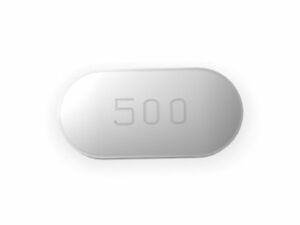
| Available Forms & Strengths | Tablets: 500 mg, 850 mg, 1000 mg (standard and extended-release forms); Oral solution (rarely used) |
| Manufacturers | Alphapharm, Apotex, Merck, Sandoz, and other generic manufacturers |
| Prescription Status | Prescription only medicine (Schedule 4, S4) |
Mechanism of Action
For Patients: Metformin helps lower your blood sugar (glucose) mainly by reducing the amount of sugar your liver releases. It also helps your body respond better to insulin, making it easier for your cells to use sugar for energy. Importantly, metformin does not cause weight gain and very rarely causes low blood sugar (hypoglycaemia).
For Healthcare Professionals: - Decreases hepatic glucose production (primarily hepatic gluconeogenesis inhibition).
- Improves peripheral insulin sensitivity (primarily in muscle tissue).
- Decreases intestinal glucose absorption to a lesser degree.
- No direct stimulation of insulin secretion.
Pharmacokinetics
| Absorption | Slow and incomplete; 50–60% bioavailability (standard tablets). Extended-release forms have slower absorption. |
| Time to Peak Plasma | ~2–3 hours (standard tablets), ~7 hours (extended-release) |
| Distribution | Not bound to plasma proteins, distributes rapidly to body tissues |
| Metabolism | Not metabolised; excreted unchanged in urine |
| Elimination Half-life | 4–8 hours (plasma); prolonged with renal impairment |
| Duration of Action | 24 hours with repeated dosing |
Use in Everyday Life & Best Practices
Metformin is an oral medicine used to help manage blood sugar in people with type 2 diabetes. It's often the first treatment prescribed after or alongside healthy eating and physical activity.
- Average starting dose: 500 mg once or twice daily with meals.
- Maintenance dose: Usually 1000–2000 mg per day in divided doses, based on your doctor’s advice and your blood sugar readings.
- Maximum recommended dose: 3000 mg daily (immediate-release), 2000 mg (extended-release) per day.
- Take at roughly the same time each day to maintain stable levels and support habit formation.
- Tablet must be swallowed whole; do not chew or break extended-release tablets.
- Discuss possible dose changes at review appointments—do not adjust your dose yourself.
Dosing in the Morning vs Evening
- Morning Dosing:
- Some patients prefer taking metformin with breakfast.
- May reduce risk of gastrointestinal side effects versus taking on an empty stomach.
- Evening Dosing:
- Taken with the main meal (often dinner in Australia) or at bedtime, especially in extended-release form.
- Evening dosing may be preferable if fasting/basal glucose is a problem.
- Consistency is key—try to take metformin with the same meal(s) each day.
- Always follow your doctor’s instructions on timing. If you miss a dose, take it when remembered unless it’s nearly time for the next one (do not double up).
Taking with Food or on an Empty Stomach
In Australia, meals typically consist of a balance of carbohydrate, protein, and vegetables. Taking metformin with or just after food helps reduce the likelihood of stomach upset, which is the most common initial side effect. It is not recommended to take metformin on an empty stomach. If you experience ongoing nausea, let your healthcare professional know—sometimes extending the titration period or switching to extended-release tablets can help.
Interaction Warnings
| Interaction Type | Example | Advice |
| Other diabetes medications | Insulin, sulfonylureas | Monitor for low blood sugar if used together |
| Food | Meals | Take with food to minimise side effects |
| Alcohol | Regular or binge drinking | Can increase risk of lactic acidosis—limit or avoid alcohol |
| Contrast agents (for scans) | Iodinated contrast for CT/MRI | May require stopping metformin temporarily; inform your doctor before scans |
| Kidney medications | ACE inhibitors, diuretics | Can interact if kidney function is affected; monitor renal function regularly |
| Corticosteroids & some psychiatric meds | Prednisolone, antipsychotics | May raise blood sugar; review with your doctor |
Indications
| Condition | Approved in Australia? | Notes |
| Type 2 diabetes mellitus | ✔ Yes | First-line, for adults and children ≥10 years |
| Polycystic Ovary Syndrome (PCOS) | ✖ No (off-label) | Frequently prescribed for insulin resistance, weight, fertility |
| Prediabetes (impaired glucose tolerance) | ✖ No (off-label) | Considered in high-risk adults, especially with obesity |
| Gestational diabetes | ✔ Yes (specific hospital protocols) | Used if lifestyle measures inadequate; not first line |
Dosing According to Clinical Indications
| Indication | Age Group | Typical Starting Dose | Maximum Daily Dose |
| Type 2 diabetes | Adults | 500 mg once/twice daily | 2000–3000 mg (split into 2–3 doses) |
| Type 2 diabetes | Children (≥10 years) | 500 mg once daily | 2000 mg (split into 2–3 doses) |
| Gestational diabetes | Pregnant Women | As directed by specialist | Max 2500 mg - under close supervision |
| PCOS / Insulin resistance | Adults (off-label) | 500 mg once daily | Up to 1500–2000 mg |
| Elderly (dose adjust if renal impairment) | Adults ≥65 yrs | 500 mg once daily | Max 1000–2000 mg (renal monitoring required) |
Safety Profile and Side Effects
| Frequency | Side Effect | Notes |
| Very Common | Gastrointestinal upset (nausea, vomiting, diarrhoea, abdominal pain, loss of appetite) | Often improves over time or with dose adjustment |
| Common | Metallic taste in mouth, mild weight loss | Usually mild and transient |
| Rare | Lactic acidosis (serious) | Requires urgent medical attention; higher risk with kidney/liver problems or alcohol abuse |
| Uncommon | Vitamin B12 deficiency (long-term use) | Check B12 levels in long-term therapy |
| Allergic reactions | Rash, itching | Seek medical advice if suspected |
Warnings & Precautions
- Tell your doctor if you have kidney or liver disease, severe infection, are having major surgery, or are pregnant/breastfeeding.
- Temporarily cease metformin and discuss with your doctor if undergoing radiological procedures using injected contrast, or if acutely unwell (sepsis, severe dehydration).
- Annual vitamin B12 testing is recommended for long-term users.
Guidelines for Proper Use (Australian Practice)
- Always take metformin with food.
- Swallow tablets whole with a glass of water.
- Avoid excessive alcohol.
- Maintain regular appointments for blood sugar and kidney function checks.
- Do not stop metformin suddenly without discussing with your doctor.
- Keep tablets in original packaging below 25°C (do not refrigerate or store in the bathroom).
- If you forget a dose, take it as soon as you remember, but never double up.
- Consult your GP or pharmacist if you’re starting new medications, including over-the-counter or herbal remedies.
- If you plan to fast (e.g., Ramadan) or have a significant lifestyle change, discuss how best to adjust your schedule.
Alternative Treatment Options
- SGLT2 inhibitors (e.g., dapagliflozin, empagliflozin): Cardiovascular benefits, few GI side effects, may cause genital infections and dehydration.
- DPP-4 inhibitors (e.g., sitagliptin, saxagliptin): Well tolerated, low risk of hypoglycaemia, suitable for elderly.
- GLP-1 agonists (e.g., dulaglutide, semaglutide): Injected, can assist with weight loss; GI side effects. Often reimbursed for patients with cardiovascular risk.
- Sulfonylureas (e.g., gliclazide): Cheap, but risk of weight gain/hypoglycaemia.
- Insulin therapy: Essential in some cases, especially type 1 diabetes or advanced type 2.
Most alternatives are available on the Pharmaceutical Benefits Scheme (PBS) in Australia, with reimbursement depending on your clinical need.
Legal, Registration, and Reimbursement Status in Australia
- Metformin is regulated by the Therapeutic Goods Administration (TGA) and only available by prescription (S4).
- Metformin is listed on the PBS for the approved indications.
- Monitored for adverse reactions by ADRAC (Adverse Drug Reactions Advisory Committee).
- Always supplied by registered pharmacies throughout Australia.
- Not recommended as monotherapy for type 1 diabetes.
Latest Research & Clinical Guidance (2022–2025)
- Metformin remains the first-line oral hypoglycaemic therapy for type 2 diabetes in Australian guidelines (RACGP, ADS, 2023).
- Large-scale trials (DiRECT, 2022; FIELD, 2024) confirm metformin’s safety and effectiveness, especially when combined with lifestyle changes.
- Ongoing evaluation of its cardiovascular and kidney protective effects in long-term studies.
- Recent research suggests a possible benefit in non-diabetic populations with obesity and metabolic syndrome, but further studies are needed (see: AUSDIAB).
- Vitamin B12 levels should be monitored in long-term users (RACGP guidance 2024).
Availability & Delivery in Australia
| Pack Size | Typical Pharmacy Price (with PBS) | Indicative Delivery (Sydney, Melbourne, Brisbane, Perth, Adelaide) |
| 100 x 500 mg tablets | $10–20 (PBS) | Next day (metro), 2–4 days (regional/remote) |
| 60 x 1000 mg tablets | $10–20 (PBS) | Next day (metro), 2–4 days (regional/remote) |
| 30 x 850 mg tablets | $8–15 (PBS) | Next day (metro), 2–4 days (regional/remote) |
| Extended-release packs | $10–20 (PBS) | 1–3 days |
Frequently Asked Questions (FAQs)
- How long does it take for metformin to start working?
Metformin starts lowering blood sugar within days, but you may not see the full effect for 1–2 weeks. Your blood tests and doctor's advice will help track your progress. - Can I drink alcohol while taking metformin?
It's best to avoid excessive alcohol, as it can increase your risk of a rare but serious side effect (lactic acidosis). Occasional, moderate drinking is usually safe but check with your doctor. - What should I do if I miss a dose?
Take the missed dose as soon as you remember unless it is nearly time for your next dose. Do not take two doses at once. If unsure, ask your pharmacist or doctor for guidance. - Will it cause weight gain?
Metformin does not cause weight gain. In fact, some people may notice mild weight loss. - Can I take metformin if I have kidney problems?
Metformin is usually not recommended if you have significant kidney disease. Your doctor will monitor your kidney function with regular blood tests.
Always follow your doctor’s or pharmacist’s instructions. This guide is for general information and not intended to replace medical advice.