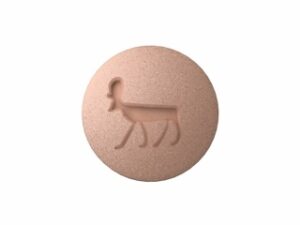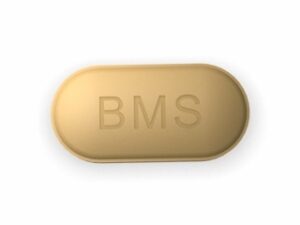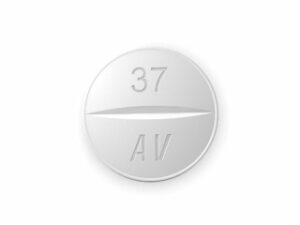

Actoplus Met (Metformin Hydrochloride): Comprehensive Patient Information
Basic Product Information
| International Non-proprietary Name (INN) | Metformin Hydrochloride with Pioglitazone Hydrochloride |
|---|---|
| Common Brand Names in Australia | Actoplus Met; Janumet (similar combination), Metformin (Glucophage, Diabex), Pioglitazone/Metformin generics |
| ATC Code | A10BD05 (combinations of Metformin & Pioglitazone) |
| Available Forms and Strengths | Tablets: 500 mg/15 mg, 500 mg/30 mg (Metformin/Pioglitazone equivalents)* *Check with your pharmacist for current availability in Australia. |
| Manufacturers | Takeda Pharmaceuticals; various generic manufacturers |
| Prescription Status | Prescription only medicine (Schedule 4, Rx) – pharmacist/doctor required |
Mechanism of Action
For Patients:Actoplus Met combines two medicines: Metformin and Pioglitazone. Metformin helps lower blood sugar by reducing how much sugar the liver makes and improving how your body uses insulin. Pioglitazone helps your body use insulin more effectively, especially in muscle and fat tissue. Together, they help control blood sugar in people with type 2 diabetes.
For Medical Professionals:Metformin primarily reduces hepatic glucose production and improves peripheral insulin sensitivity. Pioglitazone, a thiazolidinedione, is a PPAR-γ agonist that enhances insulin sensitivity in hepatic, muscle, and adipose tissue, decreasing insulin resistance through gene transcription modulation.
Pharmacokinetics
- Absorption: Metformin is absorbed mainly from the small intestine, with bioavailability of 50–60%. Pioglitazone has an oral bioavailability of over 80%.
- Time to peak concentration: Metformin — 2.5 hours; Pioglitazone — 2 hours.
- Metabolism: Metformin is not significantly metabolised; Pioglitazone is metabolised in the liver (CYP2C8, CYP3A4).
- Elimination: Metformin is excreted unchanged in urine. Pioglitazone metabolites are eliminated hepatically and renally.
- Duration of action: Both drugs have a >24-hour effect; suitable for once-daily or twice-daily dosing.
Use in Everyday Life and Best Practices
Typical Doses: Usually 1–2 tablets per day, depending on the formulation and blood glucose levels. Always check with your doctor or diabetes nurse practitioner before making changes.
How to Use: Swallow tablets whole with a glass of water. Take at the same time everyday — often with breakfast and/or dinner. Consistency helps achieve the best control of diabetes.
English Context: The medication is a mainstay in the treatment of type 2 diabetes across the UK, Australia, and other developed countries, regularly prescribed by GPs and endocrinologists. Used alongside a balanced Australian diet and regular exercise.
Dosing: Morning vs Evening – What to Consider?
- Morning dosing: May help reduce daytime blood sugar levels and is preferred if gastrointestinal upset is a concern, as food intake is more reliable in the morning.
- Evening dosing: May be chosen to reduce overnight glucose production, but can be associated with more stomach upset in some people.
- Best Practice Tips: Take doses at the same time each day. If split-dose is prescribed, take with breakfast and dinner to reduce possible side effects.
Taking with Food or on an Empty Stomach
- Take with Food: Strongly recommended for Actoplus Met, particularly with Metformin, to reduce risk of stomach upset, nausea, or diarrhoea.
- Effect of Meals: No significant effect on glucose-lowering efficacy, but meals reduce gastrointestinal discomfort.
- Australian Dietary Habits: Can be taken with a typical Australian breakfast (cereal, toast, eggs), lunch, or dinner. Try to pair with regular meals to create a routine.
Interaction Warnings
| Substance/Factor | Interaction Effect | Advice |
|---|---|---|
| Alcohol | Increased risk of lactic acidosis and hypoglycaemia | Avoid or minimise intake; never take on an empty stomach |
| Corticosteroids (prednisolone, dexamethasone) | Can increase blood glucose levels | Monitor glucose closely; may need dose adjustment |
| ACE inhibitors (e.g. ramipril) | May lower blood glucose further | Monitor for signs of hypoglycaemia |
| NSAIDs (ibuprofen, naproxen) | May impair kidney function, increasing metformin risk | Use with caution; regular monitoring recommended |
| Contrast dyes for X-rays/scans | Increased risk of lactic acidosis | Alert clinician beforehand; may require stopping metformin temporarily |
Indications (When is Actoplus Met Used?)
| Indication | Status | Description |
|---|---|---|
| Type 2 Diabetes Mellitus | Approved | For adults whose diabetes is not adequately controlled with metformin or pioglitazone alone, or alongside other oral medicines |
| Polycystic Ovary Syndrome (PCOS) | Off-label | Metformin component may be used in PCOS management — specialist guidance recommended |
Dosing According to Clinical Indications
| Patient group | Typical Dose (per day) | Maximum Dose | Notes |
|---|---|---|---|
| Adults (18–75 years) | 1 tablet twice daily (500 mg/15 mg or 500 mg/30 mg) | 2,000 mg metformin (total), 45 mg pioglitazone (total) | Start low to reduce stomach upset; adjust as advised |
| Elderly (>75 years) | 1 tablet once daily; titrate cautiously | Consider renal function before up-titrating | Lower risk of hypoglycaemia, but kidney monitoring is essential |
| Children (<18 years) | Not recommended | — | Insufficient safety data for use in paediatrics |
Safety Profile and Side Effects
- Common Side Effects:
- Gastrointestinal upset (nausea, diarrhoea, stomach pain)
- Weight gain (from pioglitazone component)
- Oedema (fluid retention, mainly with pioglitazone)
- Less Common:
- Headache, upper respiratory tract infection
- Loss of appetite
- Rare (Need Immediate Medical Attention):
- Lactic acidosis (severe tiredness, rapid breathing, abdominal pain)
- Bladder cancer (from long-term pioglitazone use — rare risk)
- Bone fracture (pioglitazone may increase fracture risk in women)
- Warnings: Not for use in type 1 diabetes or diabetic ketoacidosis. Use caution in heart failure, history of bladder cancer, or severe kidney disease.
Guidelines for Proper Use (Pharmacist/Clinic Advice Australia)
- Always take as prescribed. Do not crush or chew tablets.
- Let your pharmacist or doctor know if you feel unwell, start new medicines, or have a major change in diet or activity (e.g., starting vigorous exercise).
- Keep regular blood glucose checks — especially if you are at risk of hypoglycaemia, or alongside other glucose-lowering therapies.
- Inform your doctor prior to any X-ray or scan requiring contrast injection — you may need to pause the medication temporarily.
- If you forget a dose: take it as soon as you remember, but skip if it’s nearly time for your next dose. Do not double up.
- Ask your pharmacist about government-funded medication reviews (such as a MedsCheck or Home Medicines Review).
- Stay up to date with vaccinations (influenza, pneumococcal), as diabetes increases your risk of infection.
Alternative Treatment Options
- Other Oral Medicines:
- SGLT2 inhibitors (empagliflozin, dapagliflozin)
- DPP-4 inhibitors (sitagliptin, vildagliptin)
- Sulfonylureas (gliclazide, glimepiride)
- GLP-1 receptor agonists (semaglutide, dulaglutide; injectable but not oral)
- Pros and cons depend on risk of hypoglycaemia, weight changes, impact on heart/kidney, convenience, and cost.
- All evidence-based medicines above are available on the PBS (Pharmaceutical Benefits Scheme) in Australia, subject to eligibility.
Legal, Registration, and Reimbursement Status in Australia
- Legal status: Prescription only — not available over the counter.
- Registration: Approved by the Therapeutic Goods Administration (TGA) for use in type 2 diabetes.
- Reimbursement: Both metformin and pioglitazone/metformin combinations are subsidised under the PBS if clinical criteria are met. Copayment applies for most adults; special rates for Concession Card holders.
- Private health insurance may cover additional costs.
Latest Research and Clinical Guidance (2022–2025)
- Australian Diabetes Society (ADS; 2023) continues to recommend metformin as first-line, and pioglitazone/metformin as a safe, effective escalation option after monotherapy failure.
- Recent meta-analyses (Lancet Diabetes Endocrinol 2023; Cochrane Review 2024) show pioglitazone/metformin provides significant HbA1c reduction with low hypoglycaemia rates, but highlight risks: weight gain, fluid retention, rare bladder tumours.
- International Diabetes Federation position papers (2025 projections) prefer SGLT2 inhibitors and GLP-1 analogues for high-risk cardio-renal patients; however, metformin combinations remain valuable for most adults starting dual therapy.
- Ongoing review of long-term pioglitazone safety regarding bladder cancer risk. Patients should review therapy periodically with their doctor.
Availability and Delivery in Australia
| Pack Size | Typical Price Range (AUD; PBS/Private) | Indicative Pharmacy Delivery Times* |
|---|---|---|
| 60 tablets (1 month supply) | PBS: $6.70–$42.50; Private: $15–$60 | Sydney: 1–2 days; Melbourne: 1–2 days; Brisbane: 2–3 days; Regional: 3–5 days |
| 120 tablets (2 month supply) | PBS: $13.40–$85.00; Private: $28–$120 | Sydney: 1–2 days; Melbourne: 1–2 days; Brisbane: 2–3 days; Regional: 3–5 days |
*Actual delivery may depend on local pharmacy and stock. Check with your pharmacy for real-time inventory.
Frequently Asked Questions (FAQ)
- Is Actoplus Met the same as metformin alone?
No. Actoplus Met contains both metformin and pioglitazone, providing dual glucose control. Metformin alone works differently and may be less effective for some people. - Can I stop Actoplus Met if my glucose improves?
Never stop or change your dose without speaking to your doctor or nurse. Diabetes is a long-term condition. Your treatment plan should be reviewed regularly by your healthcare team. - Is Actoplus Met safe in pregnancy or breastfeeding?
No — this combination is not recommended during pregnancy or breastfeeding. Discuss safer alternatives with your GP or specialist. - Can I drive while taking this medicine?
Most people remain safe to drive; however, monitor your glucose closely, especially if taking any medicines that could cause hypoglycaemia. Let your doctor know if you experience excessive drowsiness or confusion. - Will it affect my weight?
The pioglitazone in this combination may cause weight gain or fluid retention in some people. Maintain a healthy diet and exercise as guided by your care team. - Do I need to monitor my blood sugar at home?
Yes — regular self-monitoring is recommended, especially when starting, changing dose, or when unwell. Ask your pharmacist about subsidised blood glucose meters if you don’t already have one.