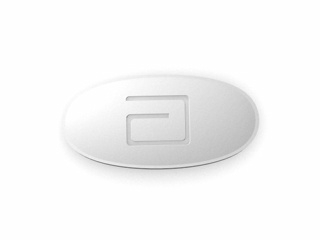
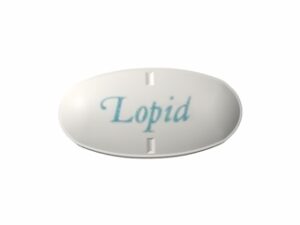
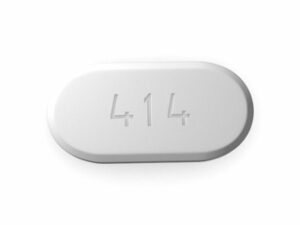
Tricor (Fenofibrate): Patient-Friendly Information for Australia
Basic Product Information
| International Nonproprietary Name (INN) | Fenofibrate |
|---|---|
| Australia Brand Names | Tricor®, Lipidil®, Fenofibrate Sandoz®, Fenofibrate Apotex® (and generics) |
| ATC Code | C10AB05 |
| Available Forms & Strengths | Tablets and capsules: 48 mg, 67 mg, 145 mg, 160 mg |
| Manufacturers | Abbott Australasia Pty Ltd, Apotex Pty Ltd, Sandoz Pty Ltd, Mylan, among others |
| Prescription Status | Prescription only (S4 medicine in Australia; not available over the counter) |
Mechanism of Action
For Patients: Tricor (Fenofibrate) helps lower fats (such as cholesterol and triglycerides) in your blood. It works mainly by making your liver break down bad fats more efficiently.
For Healthcare Professionals:
Fenofibrate is a fibric acid derivative that activates peroxisome proliferator-activated receptor alpha (PPARα). Activation of PPARα increases the oxidation of fatty acids and lipolysis, reducing VLDL and triglycerides, and moderately lowering LDL cholesterol while frequently increasing HDL cholesterol.
Pharmacokinetics
- Absorption: Well absorbed orally, especially with food; peak plasma concentration within 4–8 hours.
- Metabolism: Rapidly hydrolysed to the active metabolite, fenofibric acid, in the liver.
- Elimination: Mostly excreted in urine as metabolites; minimal excretion in faeces.
- Duration of Action: Once daily dosing suffices due to prolonged half-life (~20 hours).
Use in Everyday Life and Best Practices
Fenofibrate is widely prescribed across Australia to help manage cholesterol and triglyceride levels—essential for reducing the risk of heart attack and stroke. It is typically used alongside dietary changes, moderate physical activity, and weight management strategies recommended in Australia, such as eating more vegetables, healthy fats (like olive oil and fish), and cutting down on saturated fats and processed foods.
- Typical Adult Dose: Most commonly, 145 mg or 160 mg once daily; always follow your doctor’s advice regarding your specific dose.
- How to Take: Swallow tablets or capsules whole with water, preferably at the same time every day.
- Consistency: Take your medication consistently at the same time each day to maximise its effect.
Dosing: Morning vs Evening
When to Take Tricor? Tricor can be taken at any time of day, though taking it with a meal—often breakfast or the evening meal—improves absorption. What matters most is taking it at the same time each day. There is no clinically significant difference in cholesterol control between morning and evening dosing, but following a personal routine (e.g., with breakfast) helps avoid missed doses. Some patients find evening dosing easier if they take other evening medications.
Taking With Food or on an Empty Stomach
Should I take Tricor with or without food? Fenofibrate is absorbed better with food, especially with a meal containing some fat. In Australia, taking it with a main meal (breakfast or dinner) fits naturally into most people’s daily eating patterns. Avoid high-fat, highly processed meals, as part of good heart health.
- With Food: Improves absorption and effectiveness. A typical Australian breakfast or dinner is a good time to take it.
- On an Empty Stomach: May reduce the amount of drug absorbed, making it less effective; not recommended.
Interaction Warnings
| Substance or Food | Interaction | Advice |
|---|---|---|
| Statins (e.g., atorvastatin, simvastatin) | Increased risk of muscle problems (myopathy/rhabdomyolysis) | Doctor may lower doses or monitor more closely |
| Anticoagulants (e.g., warfarin) | Increased risk of bleeding | Monitoring and dose adjustment may be needed |
| Ciclosporin | Increased risk of kidney damage | Doctor may monitor kidney function regularly |
| Other Cholesterol Medicines (e.g., bile acid sequestrants) | May reduce fenofibrate absorption if taken together | Separate doses by at least 2 hours |
| Alcohol | Excessive use may increase risk of liver or muscle side effects | Limit alcohol intake |
| Grapefruit/Grapefruit Juice | No significant interaction with fenofibrate (unlike statins) | Generally safe |
Indications
| Condition | Official Use (ARTG) | Off-Label Use |
|---|---|---|
| Primary hypercholesterolaemia | Yes | No |
| Mixed dyslipidaemia | Yes | No |
| Severe hypertriglyceridaemia | Yes | No |
| Diabetic dyslipidaemia | Yes (if statins not suitable) | Yes |
| Prevention of cardiovascular disease | No (alone) | Rarely; usually alongside statins where indicated |
Dosing According to Clinical Indication
| Group | Indication | Recommended Dose | Notes |
|---|---|---|---|
| Adults | Most lipid disorders | 145 mg or 160 mg once daily (adjusted to strength prescribed) | With food; follow doctor's advice |
| Elderly | Same as adults (with normal kidney function) | 145 mg or 160 mg once daily | Kidney function should be checked regularly |
| Adults with mild to moderate kidney impairment | Most lipid disorders | Less than 100 mg once daily | Doctor will individualise according to kidney function |
| Children/Adolescents | Rarely prescribed (specialist use only) | No standard dose; by specialist only | Not routinely recommended |
Safety Profile and Possible Side Effects
- Common Side Effects (1–10%):
- Stomach upset, abdominal pain, or diarrhoea
- Headache
- Muscle pain
- Increased liver enzymes (noted in blood tests)
- Uncommon or Rare Side Effects (<1%):
- Gallstones
- Muscle breakdown (rhabdomyolysis, especially if taken with statins)
- Allergic reactions (rash, hives, swelling of lips/tongue)
- Pancreatitis (severe abdominal pain)
- Blood abnormalities (anaemia, leucopenia, thrombocytopenia)
- Warnings:
- Do not take if you have severe liver, kidney, or gallbladder disease.
- Regular blood tests are recommended during treatment.
- Inform your doctor if you become pregnant or plan to breastfeed.
Guidelines for Proper Use
- Take fenofibrate exactly as prescribed by your doctor, ideally with a meal for best absorption.
- Maintain a balanced Australian diet (Mediterranean-style or Heart Foundation recommendations) and engage in regular physical activity.
- If you miss a dose, take it as soon as you remember unless it is almost time for your next dose. Do not double up.
- Attend regular blood tests for cholesterol, kidney, and liver function—as your GP or clinic recommends.
- Inform healthcare professionals of all other medications you take (including supplements and over-the-counter medicines).
Alternative Treatment Options
- Statins (e.g., atorvastatin, simvastatin): Most commonly prescribed for cholesterol and heart protection; generally first-line, but may be combined with fenofibrate in special cases.
- Ezetimibe: Lowers cholesterol by reducing absorption in the gut; can be added to or used instead of a statin.
- Omega-3 fatty acids (prescription strength): For high triglycerides; less often used due to limited benefit and subsidy restrictions.
- Bile acid sequestrants (e.g., cholestyramine): Less commonly used now due to tolerability and convenience issues.
Fenofibrate may be preferred over statins where statins are not tolerated or when triglycerides are the main abnormality. Subsidies through the PBS (Pharmaceutical Benefits Scheme) may apply for specific indications.
Legal, Registration, and Reimbursement Status in Australia
- Registered on the Australian Register of Therapeutic Goods (ARTG)
- Prescription-only medicine (Schedule 4)
- Available, and subsidised under the PBS (Pharmaceutical Benefits Scheme), for specific lipid disorders
- Not suitable for over-the-counter purchase
- Prescriber: General practitioner, specialist, or in hospital settings
Latest Research and Clinical Guidance (2022–2025)
- Recent guidelines from the National Heart Foundation of Australia (2022) recommend fenofibrate mainly in patients with high triglyceride levels that do not respond to statins and lifestyle modification, or in those intolerant to statins.
- Recent clinical trials continue to show that fenofibrate lowers triglycerides significantly but its effect on major cardiovascular events is modest compared to statins. Combination with statins should be reserved for select patients, mainly in specialist settings (e.g., ACC/AHA and NHFA 2022–23).
- Ongoing research is examining its role in certain patients with metabolic syndrome or diabetes with high triglycerides. Evidence continues to evolve, so discuss the best option for your profile with your doctor.
Availability and Delivery
| Pack Sizes (Common) | 30, 60, 90 tablets or capsules |
|---|---|
| Indicative PBS Patient Price | $6.70 (concession); ~$30–40 (general patient, varies by pack size) |
| Major City | In-Pharmacy Pickup | Standard Delivery | Express Delivery |
|---|---|---|---|
| Sydney | Same day (available) | 1–2 business days | Next business day |
| Melbourne | Same day (available) | 1–2 business days | Next business day |
| Brisbane | Same day (available) | 2–3 business days | Next business day |
| Perth | Same day (available) | 3–4 business days | 2 business days |
| Adelaide | Same day (available) | 2 business days | Next business day |
Frequently Asked Questions (FAQ)
1. Can I drink alcohol while taking fenofibrate?
Moderate alcohol is acceptable for most people, but excessive drinking can increase the risk of liver and muscle side effects. Talk to your doctor if you have any liver concerns or consume more than the recommended amount of alcohol.
2. What if I miss a dose?
Take the missed dose as soon as you remember—unless it is close to your next scheduled dose. In that case, skip the missed dose and take the next one at the regular time. Do not take a double dose.
3. How long will I need to take fenofibrate?
Cholesterol and triglyceride treatment is usually life-long. Your doctor or pharmacist may review the need for ongoing therapy based on blood test results and overall health.
4. Are there any foods I should avoid?
No specific foods, but it is important to avoid high saturated fat, fried, and highly processed foods as part of a cholesterol-lowering diet. Grapefruit juice is not a problem with fenofibrate (unlike statins).
5. Can fenofibrate be taken together with statins?
Yes, but only in certain cases and under close supervision due to the increased risk of muscle side effects. Your doctor will advise the best combination for you.
For more individualised advice, please speak with your pharmacist, GP, or specialist.