Bempedoic Acid: A Comprehensive Guide for Patients in Australia
Basic Product Information
| International Non-proprietary Name (INN) | Bempedoic acid |
|---|---|
| Brand Names in Australia | Nexletol®, Nilemdo® |
| Anatomical Therapeutic Chemical (ATC) Code | C10AX27 |
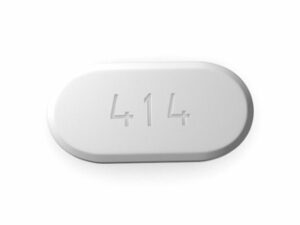
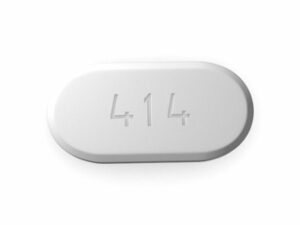
| Available Forms & Strengths | Oral tablets, 180 mg |
| Manufacturers | Esperion Therapeutics, Daiichi Sankyo, and others |
| Prescription Status | Schedule 4 (Prescription Medicine) in Australia |
Mechanism of Action
In simple terms: Bempedoic acid works by lowering “bad” cholesterol (LDL-C) levels in the blood. It does this by blocking a specific enzyme involved in the production of cholesterol in the liver, known as ATP citrate lyase. By reducing cholesterol production, it helps decrease your risk of heart disease, heart attacks, and strokes.
For healthcare professionals: Bempedoic acid is a prodrug activated by very long-chain acyl-CoA synthetase-1 (ACSVL1), mainly in the liver. Once active, it inhibits ATP-citrate lyase, which is upstream from HMG-CoA reductase (the target of statins) in the cholesterol biosynthesis pathway. This complementary action is particularly useful when combined with statins or for patients who cannot tolerate statins.
Pharmacokinetics
- Absorption: Bempedoic acid is well absorbed when taken orally. Peak plasma concentrations are achieved in about 3.5 hours.
- Metabolism: It is primarily activated in the liver; minimal activity occurs outside the liver, reducing the risk of muscle side effects.
- Elimination: Mostly eliminated via urine (70%) and faeces (30%). Its half-life is long (about 21 hours), allowing for once-daily dosing.
- Duration of Action: Sustained effect with consistent daily use.
Use in Everyday Life and Best Practices
Bempedoic acid is typically prescribed for adults who need further lowering of LDL cholesterol despite maximally tolerated statin therapy, or who are unable to tolerate statins due to side effects.
- Typical adult dose: 180 mg once daily, taken with or without food.
- Use at the same time every day to maintain consistent blood levels.
- Do not split, crush, or chew the tablet—swallow it whole with a glass of water.
- Continue your usual healthy diet (like the Australian Dietary Guidelines), regular physical activity, and any other heart medications unless told otherwise by your doctor.
Dosing: Morning vs Evening
Morning dosing: Taking Bempedoic acid in the morning can help form a routine and align with other morning medications.
Evening dosing: No evidence suggests improved efficacy when taken in the evening, unlike some statins.
Recommendation: Take at a time that is best for your routine—consistency is key for effectiveness.
- Tip: Set a daily alarm or reminder on your phone.
- Advantage of consistency: Helps you avoid missed doses.
Taking with Food or on an Empty Stomach
Bempedoic acid can be taken with or without meals. Clinical studies have shown that food does not significantly affect absorption, so you can take the tablet as fits best with your daily habits. In the English context, whether your main meal is toast and tea in the morning or a heavier lunch or dinner, Bempedoic acid fits well into most dietary routines.
- Practical tip: If you experience mild stomach upset, try taking the tablet with food.
Interaction Warnings
| Type | Interaction |
|---|---|
| Food | No significant interactions. May be taken with or without food. |
| Alcohol | Moderate alcohol ingestion is generally permitted. Excessive use, especially in patients with liver problems, should be avoided. Ask your doctor for personalised advice. |
| Medications |
|
Indications
| Indication | Comments |
|---|---|
| Primary hypercholesterolaemia (including heterozygous familial hypercholesterolaemia) | For adults, in combination with a statin, or alone if statins are not tolerated |
| Mixed dyslipidaemia | As adjunct to diet for further LDL-C lowering |
| Off-label (pending research) | Some use as statin alternative in high cardiovascular risk |
Dosing According to Clinical Indications
| Patient Group | Indication | Usual Dose | Special Considerations |
|---|---|---|---|
| Adults | High LDL-C or statin intolerant | 180 mg once daily | Start with lifestyle changes; combine with statins if tolerated |
| Elderly (≥75 years) | As above | 180 mg once daily | No dose adjustment needed, but more frequent monitoring may be recommended |
| Pediatric (<18 years) | Not recommended | — | Safety and efficacy not established |
| Impaired renal or hepatic function | LDL lowering | 180 mg once daily | Use with caution in severe impairment; consult a specialist |
Safety Profile / Side Effects
| Frequency | Side Effect | Comments/Warnings |
|---|---|---|
| Common (>1/100) | Increased uric acid (gout), muscle pain, anaemia, upper respiratory infection | Monitor uric acid; muscle pain usually mild and less frequent than statins |
| Uncommon (<1/100) | Liver enzyme elevations, tendon rupture, fatigue | Check liver function tests before & during treatment |
| Rare (<1/1000) | Severe allergic reactions (rash, angioedema) | Seek urgent medical advice for swelling/breathing difficulty |
Warning: Patients with a history of gout or elevated uric acid should use Bempedoic acid under close supervision. Tell your doctor if you have unexplained muscle pain, tenderness, or weakness.
Guidelines for Proper Use
- Take the tablet at the same time every day—morning or evening, as suits you.
- Keep up with diet and exercise according to your GP’s recommendations.
- Report any side effects—especially muscle pain or signs of gout—to your doctor or pharmacist.
- Do not stop medication abruptly without consulting your healthcare provider.
- Traveling? Always carry sufficient medication and a prescription or medical letter.
- Let your pharmacist know all medicines and supplements you use to check for interactions.
Alternative Treatment Options
- Statins (Atorvastatin, Rosuvastatin, Simvastatin): Most widely used and PBS-subsidised; first-line, but may cause muscle aches for some people.
- Ezetimibe (Ezetrol®): Often used alone or with statins; good alternative, low side effect profile.
- PCSK9 inhibitors (Alirocumab, Evolocumab): Injectable, very effective for high-risk/familial hypercholesterolaemia, but limited to strict PBS criteria; more costly.
- Fibrates, bile-acid sequestrants (Colesevelam): Used in select cases, especially for mixed lipid disorders.
Choosing the right treatment involves weighing side effect risks, convenience, and cost. Discuss the most suitable option with your treating doctor or lipid specialist.
Legal, Registration, and Reimbursement Status in Australia
Bempedoic acid (Nexletol®, Nilemdo®) is registered with the Therapeutic Goods Administration (TGA) and available on prescription. As of mid-2024, applications are under consideration for Pharmaceutical Benefits Scheme (PBS) listing for specific high-risk patients intolerant to statins or requiring adjunctive therapy.
- TGA registration ensures safety, quality, and efficacy.
- Prescription by a registered healthcare provider (GP or specialist) is mandatory.
- Not yet universally covered by the PBS; private scripts may incur higher cost.
Latest Research and Clinical Guidance (2022–2025)
- The CLEAR Outcomes trial (published in early 2023) demonstrated that Bempedoic acid significantly reduces major cardiovascular events (heart attack, stroke) in statin-intolerant patients (NEJM, 2023).
- 2022–2024 consensus guidelines from the Cardiac Society of Australia and New Zealand recommend Bempedoic acid as a useful adjunct in patients with persistent high LDL-C or documented statin intolerance.
- Ongoing research is evaluating longer-term benefits, use in combination with other lipid-lowering agents, and safety in diverse populations.
- Real-world registry studies confirm the safety and tolerability profile seen in clinical trials.
Availability and Delivery
| Pack Size | Tablets per Pack | Indicative Price (private prescription) | Delivery Time (Business Days) |
|---|---|---|---|
| Starter pack | 14 | $55–$90 | 1–2 (Sydney, Melbourne) |
| Monthly pack | 30 | $100–$180 | 1–3 (Brisbane, Perth, Adelaide) |
| 3-month supply | 90 | $280–$500 | 2–5 (regional/remote areas) |
Medication availability may vary by pharmacy or wholesaler—your pharmacist can inform you about current stock and options for home or pharmacy collection.
FAQ – Frequently Asked Questions
- Q: Can Bempedoic acid be used if I am allergic to statins?
A: Yes, it can be used in people with statin intolerance, but tell your doctor about any medication allergies for proper assessment. - Q: How soon will I see an effect on my cholesterol?
A: LDL-cholesterol typically lowers within 2–4 weeks, with full effect at 8–12 weeks; your doctor will arrange blood tests to monitor your progress. - Q: Are there any dietary restrictions?
A: No specific dietary restrictions for this medicine, but following the Australian Dietary Guidelines (low in saturated fats, high in fibre) supports cardiovascular health. - Q: Can I drive or use machinery while taking Bempedoic acid?
A: Bempedoic acid does not impact alertness; only avoid if you feel dizzy or unwell. - Q: What should I do if I miss a dose?
A: Take the missed dose as soon as you remember, but if it’s nearly time for your next dose, skip the missed dose and continue as usual. Do not double dose.
For personalised advice about cholesterol management or Bempedoic acid, speak with your pharmacist or healthcare provider. Always follow the instructions provided with your prescription and do not hesitate to ask for clarification about any aspect of your treatment.