

Cardizem (Diltiazem): Patient-Friendly Guide for Australian Patients
Basic Product Information
| International Non-proprietary Name (INN) | Diltiazem |
|---|---|
| Australia Brand Names | Cardizem, Cardizem CD, Vasocor, Dilzem, Diltiazem Hydrochloride (generic) |
| Anatomical Therapeutic Chemical (ATC) Code | C08DB01 |
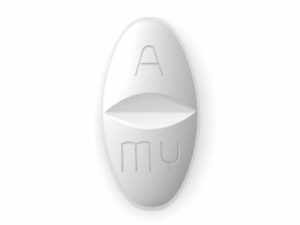
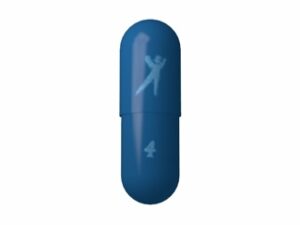
| Available Forms and Strengths | Tablets (30 mg, 60 mg), Modified Release Tablets/Capsules (90 mg, 120 mg, 180 mg, 240 mg), IV injection (hospital use only) |
| Manufacturers | Sanofi-Aventis, Mylan, Pfizer Australia, Arrotex, various generics |
| Prescription Status | Prescription Only Medicine (Schedule 4, S4) |
Mechanism of Action
For Everyone: Diltiazem belongs to a group of medicines called calcium channel blockers. It works by relaxing the muscles of your heart and blood vessels, which helps decrease blood pressure and makes it easier for your heart to pump blood.
For Specialists: Diltiazem binds to the L-type calcium channels in vascular smooth muscle and cardiac myocytes, inhibiting transmembrane calcium influx during depolarisation. This results in decreased myocardial contractility, reduced sinoatrial and atrioventricular node conduction, and vasodilation primarily in the coronary and peripheral arteries.
Pharmacokinetics
- Absorption: Well absorbed orally, but subject to significant first-pass metabolism. Bioavailability is about 40-60% for oral formulations.
- Metabolism: Extensively metabolised in the liver (CYP3A4 enzyme system).
- Elimination: Majority excreted in urine as metabolites; 2–4% unchanged.
- Half-life: 3–5 hours for immediate-release; 6–9 hours for extended-release.
- Duration of Action: About 6–12 hours (standard tablet); up to 24 hours (modified-release).
Use in Everyday Life and Best Practices
Cardizem is mainly used for high blood pressure (hypertension), certain types of angina (chest pain), and some heart rhythm disorders. It is typically taken once or twice daily depending on the form prescribed. Always take it exactly as prescribed by your doctor.
- Common doses: Usually start at 30–60 mg 3–4 times daily for immediate-release, or 120–240 mg once daily for extended-release formulations.
- How to take: Swallow tablets/capsules whole with water. Do not crush or chew modified-release forms.
- If you forget a dose, take it as soon as you remember unless it is close to your next dose—do not double-dose.
- Continue taking even if you feel well; stopping suddenly can be dangerous.
- Keep regular appointments and have your blood pressure checked regularly.
Dosing in the Morning vs Evening
Some studies suggest calcium channel blockers may work better for blood pressure control if taken in the evening, while others recommend morning intake to reduce daytime symptoms. The most important factor is taking your dose at the same time every day. Speak to your GP or pharmacist if you are unsure.
- Morning dosing: May reduce the risk of nighttime low blood pressure (hypotension) and drowsiness during work hours.
- Evening dosing: Can optimise overnight blood pressure control, especially for people with "non-dipper" hypertension.
- Tips: Pick a time that best fits your routine and stick with it for consistency.
Taking With Food or on an Empty Stomach
Diltiazem can be taken with or without food. Some people find that taking it with a light meal or after eating minimises stomach upset. Avoid high-fat meals, as they may increase absorption rates unexpectedly. In the Australian context, breakfast or dinner are both acceptable times—just aim for consistency.
- Compatible foods: Toast, porridge, fruit, vegetables, fish, chicken, low-fat dairy.
- Foods to avoid: Large, fatty or oily meals; grapefruit and grapefruit juice (may increase diltiazem levels).
Interaction Warnings
| Type | Interaction | Advice |
|---|---|---|
| Food | Grapefruit/grapefruit juice | Avoid; increases drug levels, risk of side effects |
| Alcohol | Alcohol | Can worsen side effects (dizziness, low BP); limit or avoid |
| Medicines | Beta-blockers (e.g., atenolol, metoprolol) | Possible additive effects, slow heart rate or low BP; extra monitoring needed |
| Medicines | Statins (simvastatin, atorvastatin, etc.) | May increase statin levels; monitor for muscle pain/weakness |
| Medicines | Antiarrhythmics (digoxin, amiodarone) | Potential for abnormal rhythms or toxicity; dose adjustment may be needed |
| Medicines | CYP3A4 Inhibitors (antifungals, macrolide antibiotics, some antivirals) | Can increase diltiazem levels; monitor closely |
Always tell your doctor or pharmacist about all your medications and supplements.
Indications
| Official Indication | Australian Status |
|---|---|
| Essential and secondary hypertension | Approved (PBS subsidised) |
| Chronic stable angina and vasospastic angina (Printzmetal’s angina) | Approved |
| Supraventricular tachycardia (rate control) | Approved (hospital/injectable form) |
| Atrial fibrillation/flutter (rate control) | Off-label but widely used |
| Raynaud's phenomenon, migraine prevention | Off-label (specialist use) |
Dosing According to Clinical Indications
| Indication | Adult Dose | Paediatric | Elderly |
|---|---|---|---|
| Hypertension | 120–360 mg daily (single or divided doses) | Rare; specialist advice needed | Start lower, titrate slowly (risk of hypotension) |
| Angina | 120–360 mg daily | Not routinely used | As above; monitor closely |
| Arrhythmias (IV form) | 0.25 mg/kg IV bolus, repeat if needed | Specialist/hospital setting only | Cautious use |
Adjustments may be required for liver or kidney problems. Always follow your doctor’s advice.
Safety Profile and Side Effects
| Frequency | Side Effect | Advice |
|---|---|---|
| Common | Headache, dizziness, ankle swelling, flushing, tiredness | If mild and settle, continue. If severe, contact your doctor. |
| Less Common | Nausea, constipation, rash, indigestion | Report if bothersome or persistent. |
| Rare | Severe drops in heart rate, very low blood pressure, liver problems, allergic reactions | Seek urgent medical help for chest pain, palpitations, dark urine, yellow skin, or swelling of face/lips. |
- May affect driving or machinery operation. Take care until you know how it affects you.
- Monitor for unusual tiredness, swelling, or new/worsening chest pain.
Guidelines for Proper Use
- Take your medicine at the same time each day—set a daily alarm, use a pillbox, or link to a routine like breakfast.
- Keep Cardizem in its original pack, away from heat and moisture (typical Australian advice: store below 25°C).
- Don't stop suddenly unless advised—rebound high blood pressure or angina may occur.
- See your GP for regular monitoring of blood pressure, heart rate, and if required, blood tests.
- If you miss a dose, take it as soon as you remember, but do not double up on doses.
- Inform your pharmacist/doctor if starting new medicines, especially antibiotics, antifungals, or heart medicines.
Alternative Treatment Options in Australia
- Other calcium channel blockers (e.g., amlodipine, verapamil): Amlodipine causes less bradycardia, but more ankle swelling. Verapamil is similar but can cause constipation.
- Beta-blockers (metoprolol, bisoprolol): Preferred in some types of angina or after heart attacks. May not be suitable for people with asthma or certain circulation issues.
- ACE inhibitors/ARBs (perindopril, irbesartan): Often used for high blood pressure and heart failure; fewer interactions, but may cause cough (ACE) or affect kidney function.
- Thiazide diuretics (hydrochlorothiazide): Good for mild-moderate hypertension; may upset electrolyte levels or cause gout in susceptible people.
Most of these alternatives are subsidised under the PBS (Pharmaceutical Benefits Scheme).
Legal, Registration, and Reimbursement Status in Australia
- Registered in Australia with the Therapeutic Goods Administration (TGA).
- Prescription-Only (Schedule 4, S4).
- Eligible for PBS reimbursement for approved indications (e.g., hypertension, angina).
- Generic versions widely available and reimbursed.
- Not available as over-the-counter (OTC) medication.
Latest Research and Clinical Guidance (2022–2025)
- Recent Australian guidelines (National Heart Foundation, 2023) confirm the effectiveness of diltiazem in managing hypertension and chronic angina, particularly in patients who cannot tolerate beta-blockers or ACE inhibitors.
- Evidence supports its use in rate control for atrial fibrillation, especially where beta-blockers are unsuitable (Heart Foundation Australia, 2024).
- Research indicates that taking modified-release diltiazem in the evening may optimise 24-hour blood pressure control (REF: Australian Prescriber, 2023).
- Ongoing studies are evaluating the role of calcium channel blockers in combination therapy for difficult-to-control blood pressure (Lancet, 2024).
Availability, Pack Sizes, and Delivery in Australia
| Pack Size | Type | Typical PBS Price (as of 2024) | Indicative Delivery Time: Sydney | Melbourne | Brisbane | Perth | Adelaide |
|---|---|---|---|---|---|---|---|
| 30 tablets/capsules | Standard/ER | $8.30 with concession, $30–$40 private | Same/next business day | 1–2 business days | 1–2 business days | 2–3 business days | 1–2 business days |
| 60 tablets/capsules | Standard/ER | $13–$18 private | Same/next business day | 1–2 business days | 1–2 business days | 2–3 business days | 1–2 business days |
| 90 tablets/capsules | ER | $22–$35 private | Same/next business day | 1–2 business days | 1–2 business days | 2–3 business days | 1–2 business days |
Available at all major pharmacies with valid prescription. Larger packs may be split for PBS dispensing limits.
Frequently Asked Questions (FAQ)
- Can Cardizem (diltiazem) be taken long-term?
Yes. Diltiazem is safe for long-term use when prescribed by your doctor and monitored regularly. Do not stop suddenly unless advised, as blood pressure or angina symptoms may return. - What should I do if I miss a dose?
Take the missed dose as soon as you remember, unless it is nearly time for your next one. Do not double the next dose. If unsure, check with your pharmacist or doctor. - Is it safe to drink alcohol while taking Cardizem?
Moderate alcohol is generally safe, but can increase side effects like dizziness or low blood pressure. Avoid large amounts and check with your pharmacist for personalised advice. - Does diltiazem interact with other blood pressure medicines?
Yes, especially beta-blockers, other calcium channel blockers, and heart rhythm medications. Always tell your healthcare providers about all your medicines and supplements. - Is it safe during pregnancy or breastfeeding?
Diltiazem use is not generally recommended during pregnancy or breastfeeding unless clearly needed. Your doctor will discuss safer alternatives if required.
For further questions, please consult your GP, pharmacist, or visit the TGA website for up-to-date information on Cardizem and generic diltiazem.