Colchicum autumnale (Colchicine): Patient Information for Australia
Basic Product Information
| International Nonproprietary Name (INN) | Colchicine |
|---|---|
| Common Brand Names in Australia | Colgout®, Lengout®, Colchicine Sandoz® |
| Anatomical Therapeutic Chemical (ATC) Code | M04AC01 |
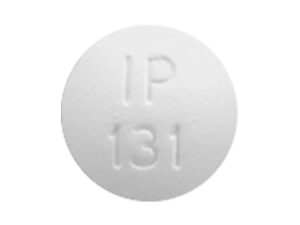
| Available Forms & Strengths | Tablets: 500 micrograms (0.5 mg) |
| Manufacturers | Alphapharm, Sandoz |
| Prescription Status | Prescription Only Medicine (S4) |
Mechanism of Action
In Simple Terms: Colchicine works by reducing inflammation caused by crystals in conditions like gout. It blocks key steps in the body’s immune response that lead to pain and swelling.
For Specialists: Colchicine disrupts microtubule polymerisation by binding to tubulin, preventing neutrophil migration and activation. This impedes the release of inflammatory mediators and inhibits phagocytosis of urate crystals.
Pharmacokinetics
- Absorption: Well absorbed orally, peak plasma within 0.5–2 hours after ingestion.
- Metabolism: Primarily liver (CYP3A4), some renal metabolism.
- Elimination: Faecal and urinary (10–20% renal excretion, caution in renal impairment).
- Duration of Action: Effects noted within 12–24 hours, duration up to several days for symptom relief.
Use in Everyday Life and Best Practices
Typical Doses:
For acute gout, usual dose is 500 micrograms (0.5 mg) every 2–4 hours, up to maximum 2–3 mg per day, or until relief or gastrointestinal side-effects occur. For prevention of gout flares, 0.5 mg once or twice daily is standard. Always follow your doctor’s directions exactly.
Using Colchicine in Australia:
Colchicine is mainly used for managing acute gout attacks and helping prevent future flares for people in remission. It may also be used for familial Mediterranean fever, Behçet’s disease, and, less commonly, for pericarditis on specialist advice. Patients should avoid self-medicating; always use under medical supervision.
- Keep track of doses—using a pill box or diary is helpful.
- If you miss a dose, take it as soon as you remember unless it’s close to the next one. Do not double up.
- Inform your GP or pharmacist of all medications and medical conditions.
- Regular blood tests may be recommended, particularly for long-term or higher dose use.
Dosing: Morning vs Evening
- Morning: Taking in the morning may be easier to remember; ideal with breakfast for those who experience mild gastrointestinal side-effects.
- Evening: Evening dosing may help if gout attacks are more frequent overnight, but may increase risk of stomach upset during sleep.
- Tips: Always take at the same time each day for best effect. Establish a routine that fits your lifestyle.
Taking with Food or on an Empty Stomach
Colchicine can be taken with or without food. Taking it with food may reduce common side effects like nausea or stomach cramps. In Australia, some patients prefer taking it with main meals (breakfast or dinner). If local diets include high-fibre or dairy elements, there is no evidence these significantly affect absorption.
Interaction Warnings
| Interaction | Effect/Advice |
|---|---|
| Grapefruit & Juice | Avoid. Increases colchicine levels and risk of toxicity. |
| Alcohol | Limit or avoid. Alcohol may worsen gout and burden the liver. |
| Macrolide Antibiotics (e.g., erythromycin, clarithromycin) | Serious risk. Can increase colchicine toxicity—do not use together. |
| Statins & Fibrates | May increase risk of muscle toxicity (myopathy/rhabdomyolysis). |
| CYP3A4 Inhibitors (e.g., ketoconazole, cyclosporin, HIV protease inhibitors) | Increases colchicine concentrations and toxicity risk—avoid if possible. |
| Other gout medications (NSAIDs, allopurinol) | No serious interaction; may be used together as directed. |
Indications
| Therapeutic Area | Official Indication | Off-Label Use |
|---|---|---|
| Rheumatology | Treatment and prevention of acute gout flares | Familial Mediterranean fever, Behçet’s disease, prophylaxis in pericarditis |
Dosing According to Clinical Indications
| Indication | Adults | Children | Elderly |
|---|---|---|---|
| Acute Gout Flare | 500 mcg (0.5 mg) every 2–4 hours, up to max 2.5 mg/day | Safety not established unless specialist-directed | Start low (0.5 mg/day); monitor for toxicity |
| Prophylaxis of Gout Flare | 0.5 mg once or twice daily | 0.5–1 mg/day under specialist advice | 0.5 mg once daily; dose adjust for renal function |
| Familial Mediterranean Fever | 1–2 mg/day (split doses) | 0.5–2 mg/day per weight & tolerance | Adjust as for renal/hepatic impairment |
Note: For all groups, always follow physician-specific instructions—dosing may change based on renal or liver function.
Safety Profile / Side Effects
- Common (up to 10%): Nausea, vomiting, diarrhoea, abdominal pain.
- Less Common: Fatigue, muscle pain, rash, headache.
- Rare, Serious: Severe allergic reaction, muscle breakdown (rhabdomyolysis), bone marrow suppression, neuropathy, liver function changes.
- Warning Signs – Seek Immediate Help: Difficulty breathing, severe abdominal pain, bloody diarrhoea, muscle weakness, jaundice.
Guidelines for Proper Use (Australian Clinical Advice)
- Always use the lowest effective dose for the shortest time possible.
- Do not exceed the prescribed dose—overdose is dangerous and potentially life-threatening.
- Check with your pharmacist about possible drug interactions before starting colchicine.
- Do not use if pregnant, planning pregnancy, or breastfeeding unless specialist supervised.
- Inform your healthcare team if you have kidney, heart, or liver problems.
- Regularly monitor blood counts and kidney/liver function for long-term use.
- If you are elderly or taking multiple medications, review with your GP or pharmacist regularly.
- Keep away from children; even small amounts can be toxic to children and pets.
Alternative Treatment Options
- Nonsteroidal Anti-inflammatory Drugs (NSAIDs): (e.g., ibuprofen, naproxen) – often first choice, especially for adults without contraindications (avoid in renal or gastric disease).
- Corticosteroids: (e.g., prednisolone) – effective for acute flares when NSAIDs and colchicine are unsuitable.
- Allopurinol, Febuxostat: Used mainly as urate-lowering therapy for long-term prevention, not for acute flares.
- Probenecid: Occasionally used for chronic gout when allopurinol is ineffective or not tolerated.
- Advantages/Disadvantages: Colchicine is particularly useful for those who cannot take NSAIDs or corticosteroids, but has a higher risk profile at excessive doses.
Legal, Registration, and Reimbursement Status (Australia)
- Legal Classification: Schedule 4—Prescription only.
- Registration: Registered with the Therapeutic Goods Administration (TGA).
- Reimbursement: Listed on the Pharmaceutical Benefits Scheme (PBS) for certain gout and FMF indications.
- Prescription: Required for all forms and strengths in Australia.
Latest Research / Clinical Guidance (2022–2025)
Recent guidelines by the Australian Rheumatology Association (2023) recommend colchicine as first-line therapy for acute gout when NSAIDs or corticosteroids are unsuitable. A 2022 meta-analysis (Lancet Rheumatology) supports efficacy at low doses, reducing risks of toxicity. Research in 2024 published in BMJ confirms safety of 0.5 mg b.i.d. regimens in Australian populations, but highlights importance of renal dose adjustment. Ongoing trials focus on colchicine in cardiac disease and COVID-19, with mixed results regarding reduction in cardiovascular complications.
Availability and Delivery in Australia
| Pack Size | Approximate Price (AUD, PBS) | Estimated Delivery (Days) |
|---|---|---|
| 30 tablets (0.5 mg) | $15.40 (concession $6.70) | Sydney: 1–2 Melbourne: 1–2 Brisbane: 2–4 Perth: 3–5 Adelaide: 2–3 Hobart: 2–4 |
Available at community pharmacies and for home delivery via major pharmacy providers within 1–5 business days depending on location. Always have a valid prescription ready.
FAQ – Frequently Asked Questions
- How quickly does colchicine work for gout?
Most people begin to feel relief within 12–24 hours. Full effect may take up to 3 days. Continue as prescribed and follow your doctor's instructions. - What should I do if I miss a dose?
Take the missed dose as soon as you remember, unless it's nearly time for your next dose. If so, skip the missed dose. Do not double the next dose. - Can I take my other medicines with colchicine?
Many medicines can interact with colchicine. Always advise your doctor and pharmacist of all medications, including over-the-counter and herbal supplements. - Can I drink alcohol while taking colchicine?
It is best to avoid or limit alcohol. Alcohol can trigger gout attacks and place extra strain on your liver. - Is colchicine safe in pregnancy and breastfeeding?
Colchicine is not generally recommended in pregnancy or breastfeeding unless supervised by a specialist due to potential risks to the baby.
If you have any questions or experience unexpected symptoms while taking colchicine, contact your pharmacist, GP, or local emergency department.