Chloramphenicol: Comprehensive Patient Information for Australia
Basic Product Information
| International Non-proprietary Name (INN) | Chloramphenicol |
|---|---|
| Australia Brand Names | Chloramphenicol Eye Drops (PharmAust, Chlorsig), Chloramphenicol Eye Ointment, Chloromycetin |
| ATC Code | S01AA01 |
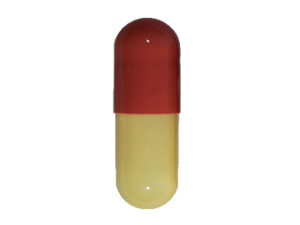
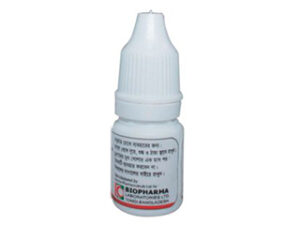
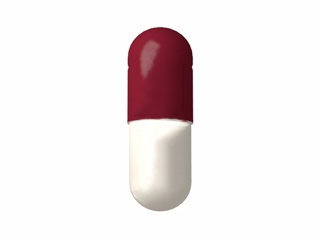
| Available Forms & Strengths | Eye Drops: 0.5% (5 mg/mL) Eye Ointment: 1% (10 mg/g) Capsule (prescription-only, rarely used): 250 mg Injection (hospital use only) |
| Manufacturers | Alphapharm, Aspen Pharmacare, Pfizer, multiple generic manufacturers |
| Prescription Status | Pharmacist Only Medicine (Schedule 3): Eye drops and ointment for bacterial conjunctivitis Prescription Only (Schedule 4): Systemic and hospital use |
Mechanism of Action
For patients: Chloramphenicol works by stopping the growth of bacteria that cause infection, especially in the eyes. It targets the bacteria’s ability to make the proteins they need to survive, effectively clearing up the infection.
For specialists: Chloramphenicol is a bacteriostatic antibiotic that inhibits bacterial protein synthesis by binding to the 50S subunit of the ribosome, blocking peptidyl transferase activity and thus preventing peptide chain elongation.
Pharmacokinetics
- Absorption: Topical application (eye) has minimal systemic absorption; oral and IV use achieves widespread body distribution.
- Metabolism: Mainly hepatic via glucuronidation.
- Elimination: Renal (urinary excretion); some parent drug and metabolites.
- Duration of Action: After topical use, effect lasts for several hours; systemic half-life is 1.5–4 hours in healthy adults.
Use in Everyday Life and Best Practices
In Australia, chloramphenicol is most commonly used as an eye drop or ointment to treat bacterial conjunctivitis (also referred to as “pink eye”). For eye infections, it is accessed as a Pharmacist Only Medicine—so you can obtain it after consultation with your pharmacist, who will check it is appropriate for you.
- Typical dosing: 1 drop in the affected eye(s) every 2 hours for the first 2 days, then reduce to every 4–6 hours as symptoms improve; continue for 48 hours after symptoms resolve (usually 5–7 days in total).
- Ointment: Apply a small amount (about 1 cm) to the inside of the lower eyelid 3–4 times daily.
- Wash your hands before and after use to prevent spreading infection.
- Contact lenses: Remove before use, and avoid during treatment and for at least 24 hours after last dose.
- Finish the entire course, even if symptoms improve quickly.
For children (>2 years), dosing is the same, but a pharmacist or doctor should be consulted for children under 2. For adults with systemic life-threatening infection, hospital care is required.
Dosing: Morning vs Evening
Chloramphenicol’s effectiveness does not significantly depend on the time of administration. More important is even spacing of doses throughout the day. Some people find applying ointment just before bedtime helps avoid temporary blurred vision during the day. Establishing a routine (e.g., with breakfast, lunch, dinner, bedtime) helps you remember doses.
- Morning: Good to start early; ensures rapid decrease of bacterial load.
- Evening: Ointment is often applied at night as it can cause blurred vision.
Taking with Food or on an Empty Stomach
Eye preparations: Food does not affect absorption or effectiveness. For oral chloramphenicol, which is rarely used in Australia, absorption is not significantly influenced by meals. However, best practice is to separate oral doses from meals by 1 hour if possible.
Australian dietary habits (e.g., tea, coffee, dairy) do not interact with topical chloramphenicol.
Interaction Warnings
| Interaction Type | Details |
|---|---|
| Alcohol | No known interaction with topical/ophthalmic forms. |
| Food | No effect on topical absorption; separate oral doses if possible. |
| Other Medicines |
|
| Pregnancy/Breastfeeding | Topical use is considered low risk, but consult a healthcare professional before use. |
| Contact Lenses | Should not be worn during treatment and for 24 hours after last dose. |
Indications
| Official Indications (Australia) | Off-Label Indications |
|---|---|
| Bacterial conjunctivitis (adults and children >2 years) Superficial ocular infections sensitive to chloramphenicol | Prophylaxis in ocular surgery (rare) Systemic infections (hospital setting only, severe infections or when alternatives cannot be used) |
Dosing According to Clinical Indications
| Patient Group | Indication | Dose |
|---|---|---|
| Adults | Bacterial conjunctivitis (eye drops) | 1 drop every 2 hours for 2 days, then every 4–6 hours (up to 5–7 days) |
| Adults | Bacterial conjunctivitis (ointment) | Apply 1 cm strip 3–4 times/day (5–7 days) |
| Children (>2 years) | Same as adults for eye drops and ointment | As above |
| Infants (<2 years) | Bacterial conjunctivitis | Use only on medical advice |
| Elderly | Bacterial conjunctivitis | No dose adjustment necessary |
| Systemic therapy | Severe infections (hospital only) | By specialist advice only |
Safety Profile & Side Effects
- Common:
- Mild burning or stinging in the eye
- Temporary blurred vision (after ointment)
- Eye redness or itching
- Uncommon:
- Eye swelling or pain
- Dermatitis (skin reaction where drug touches eyelids)
- Rare but serious:
- Bone marrow depression (very rare with topical use, more risk with prolonged/systemic use)
- Severe allergic reaction: swelling, rash, difficulty breathing (seek urgent medical help)
Warning: If symptoms worsen, last > 5 days, or if vision changes, see a doctor promptly.
Guidelines for Proper Use (Australia)
- Wash your hands before each use.
- Avoid touching the bottle/dropper tip to the eye or any surface.
- If using other eye products, wait 5–10 minutes between each.
- Complete the full course (usually 5 days), even if the eye feels better.
- Discard any unused product after 28 days of opening (or as directed).
- Store at room temperature (below 25°C) and out of reach of children.
- Do not use for viral or allergic conjunctivitis (antibiotics are not effective).
- Contact your pharmacist if you have any questions or develop new symptoms.
Alternative Treatment Options
- Fusidic acid (eye drops): Reimbursed on PBS; effective for some bacterial eye infections; less frequent dosing but not suitable for all bugs.
- Tobramycin or Gentamicin (eye drops/ointment): Broader spectrum and used if resistant organisms suspected; prescription only.
- Ofloxacin/Ciprofloxacin (eye drops): Used for more severe/atypical infections; prescription only; high efficacy but possible resistance and cost issues.
- Warm saline compress: For mild conjunctivitis, often sufficient without antibiotics if viral or allergic.
Comparative overview:
Chloramphenicol is a first-line agent due to efficacy, safety, convenient access, and low cost. Others are reserved for complicated, resistant, or severe cases. Ask your pharmacist or doctor about the best option for your situation.
Legal, Registration, and Reimbursement Status in Australia
- Regulated by the Therapeutic Goods Administration (TGA).
- Eye drops and ointment are Schedule 3 (Pharmacist Only Medicines)—no prescription required but must be supplied by a pharmacist after assessment.
- Systemic forms (capsules, injection) are Schedule 4 (Prescription Only Medicines).
- Listed on the Pharmaceutical Benefits Scheme (PBS) for eligible indications (see PBS website for subsidy status).
- Registration number available on TGA Online Register of Therapeutic Goods.
Latest Research & Clinical Guidance (2022–2025)
Recent reviews (e.g., Br J Ophthalmol 2023; Med J Aust 2024) support topical chloramphenicol as first-line therapy for acute bacterial conjunctivitis in adults and children (over 2), with growing emphasis on restricting use to clear bacterial cases. Resistance rates remain low in Australia. Adverse reactions, especially bone marrow suppression, remain rare with short-term topical use (<1 in 100,000 courses). Current guidelines recommend against use in neonates unless prescribed in hospital. Stewardship programs aim to avoid unnecessary antibiotics in viral conjunctivitis (still the most common cause).
Availability & Delivery
| Pack Size | Common Brands | Indicative Price (AUD) |
|---|---|---|
| Eye Drops 10 mL | Chlorsig, Chloramphenicol Eye Drops | $7–$13 |
| Eye Ointment 4 g | Chlorsig, Chloramphenicol Eye Ointment | $8–$14 |
| City | Standard Delivery (Business Days) | Express Delivery |
|---|---|---|
| Sydney | 1–2 | Same/Next Day |
| Melbourne | 1–2 | Same/Next Day |
| Brisbane | 1–3 | Next Day |
| Perth | 2–4 | 1–2 Days |
| Adelaide | 1–3 | Next Day |
Frequently Asked Questions (FAQ)
- Can I use chloramphenicol eye drops if I wear contact lenses?
No, you should remove your contact lenses before using the drops and avoid wearing them until treatment is completed and for at least 24 hours after. Speak to your optometrist or pharmacist for further advice. - How quickly does chloramphenicol work?
Most people experience improvement in redness and discharge within 1–2 days. Complete the full course to ensure the infection is cleared. - Is it safe for children?
Yes, for children over 2 years under pharmacist/doctor supervision. Seek medical advice for babies and infants. - Are there alternatives if I am allergic or don’t improve with chloramphenicol?
Yes, there are alternative eye drops (fusidic acid, tobramycin, ciprofloxacin). Ask your pharmacist or doctor for recommendations. - Can I buy chloramphenicol over the counter in Australia?
Chloramphenicol eye drops/ointment are Pharmacist Only Medicines. You do not need a doctor’s script, but you must talk to a pharmacist before purchasing.