Avelox (Moxifloxacin): Patient-Friendly Guide for Australia
Basic Product Information
| International Nonproprietary Name (INN) | Moxifloxacin |
|---|---|
| Australian Brand Names | Avelox, Moxacin, Moxwin |
| ATC Code | J01MA14 |
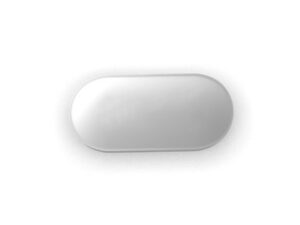
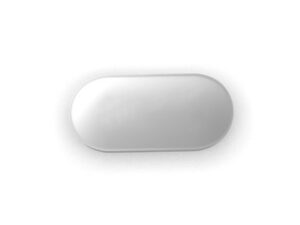
| Available Forms & Strengths | Tablets (400 mg), Intravenous infusion (400 mg/250 mL) |
| Manufacturers | Bayer Australia Ltd, multiple generic suppliers |
| Prescription Status | Prescription Only Medicine (Schedule 4, S4) |
Mechanism of Action
For Patients: Moxifloxacin, the active ingredient in Avelox, is a type of antibiotic called a fluoroquinolone. It works by killing bacteria and stopping their growth, which helps your body fight off infections.
For Healthcare Professionals: Moxifloxacin inhibits bacterial DNA gyrase and topoisomerase IV, enzymes critical for DNA replication, transcription, and repair in susceptible microorganisms.
Pharmacokinetics
- Absorption: Well-absorbed orally, reaching peak blood levels within 1–2 hours.
- Bioavailability: Approximately 90%.
- Metabolism: Primarily hepatic (liver) metabolism via conjugation (glucuronidation and sulphation).
- Elimination: Excreted through kidneys and faeces. Terminal half-life is about 12 hours.
- Duration of Action: Allows once-daily dosing.
Use in Everyday Life and Best Practices
Indication: Avelox is commonly prescribed for respiratory tract infections (such as pneumonia, chronic bronchitis), sinusitis, and skin/soft tissue infections when caused by susceptible bacteria.
How to Use: Always use Avelox exactly as your doctor prescribes. It is usually taken as one tablet (400 mg) once daily, whole with a glass of water. Tablets can be taken at home or you may receive an infusion in hospital.
English Context: Use according to Australian guidelines for antibiotics: only when absolutely necessary and as directed, to reduce the risk of antibiotic resistance.
Dosing in the Morning vs Evening
There is no strong evidence that morning or evening dosing changes the effectiveness of Avelox. The most important factor is taking your dose at the same time each day for best results. Some patients prefer morning doses to help remember, while others find bedtime fits their routine.
- Advantage (Morning): May help remember and minimise impact of possible sleep disturbances caused by rare insomnia side effect.
- Advantage (Evening): May suit those with busy daytime schedules.
- Tip: Consistency is key—choose the time you’re least likely to forget.
Taking with Food or on an Empty Stomach
Avelox tablets can be taken with or without food. Taking with food may help reduce the risk of stomach upset, which can rarely happen. Be aware: you should avoid taking Avelox together with dairy products like milk, yoghurt, or with mineral supplements containing iron, magnesium, aluminium, or zinc, as these can reduce absorption.
Australian Dietary Advice: There is no need to change your regular English diet, but wait at least 2 hours before or after dairy or antacid products to take your dose.
Interaction Warnings
| Type of Interaction | Examples | Advice |
|---|---|---|
| Antacids & Supplements | Antacids, iron, multivitamin, magnesium, calcium, zinc | Take Avelox 2 hours before or after these products |
| Dairy Products | Milk, cheese, yoghurt | Separate from Avelox by at least 2 hours |
| Heart Medications | Amiodarone, sotalol, quinidine | Increased risk of abnormal heartbeat—doctor monitoring needed |
| Other Antibiotics | Macrolides (e.g., erythromycin) | Combined therapy may increase side effect risk—consult your doctor |
| Diabetes Medications | Insulin, sulphonylureas | Avelox can rarely affect blood sugar—monitor glucose |
| Alcohol | Beer, wine, spirits | Moderate consumption unlikely to interact, but best avoided during treatment |
Indications
| Indication | Official (TGA-Approved in Australia) | Off-Label/Other Uses |
|---|---|---|
| Community-acquired pneumonia | ✔ | |
| Acute bacterial sinusitis | ✔ | |
| Acute exacerbation of chronic bronchitis | ✔ | |
| Skin and soft tissue infections | ✔ | |
| Multi-drug resistant tuberculosis | Occasionally used off-label | |
| Pelvic inflammatory disease | Rarely used off-label |
Dosing According to Clinical Indications
| Population | Indication | Recommended Dose | Duration |
|---|---|---|---|
| Adults | Pneumonia, bronchitis, skin infections | 400 mg once daily | 5–14 days, depending on infection |
| Children (under 18) | All indications | Not recommended | N/A |
| Elderly (no renal impairment) | Same as adults | 400 mg once daily | As above |
| Renal or Liver Impairment | Adjust dose if severe | Consult specialist/adjust as needed | - |
Safety Profile and Side Effects
| Frequency | Potential Side Effects |
|---|---|
| Common (1–10%) | Nausea, diarrhoea, headache, dizziness, vomiting |
| Occasional (0.1–1%) | Insomnia, tremor, fast or irregular heartbeat, mild rash |
| Rare (<0.1%) | Tendon pain or ruptures (especially Achilles), severe allergic reactions (anaphylaxis), liver dysfunction, photosensitivity |
| Warnings |
|
Guidelines for Proper Use
- Take at the same time each day—set a reminder if needed.
- Complete the full prescribed course, even if you feel better.
- Do not share antibiotics with others or use leftovers.
- Avoid excessive sun exposure and use sunscreen due to rare sensitivity.
- Report tendon pain, swelling, or difficulty moving at once.
- Advise your doctor of all other medicines/conditions, especially history of arrhythmias or low potassium.
- Your pharmacist can answer questions on interactive medicines or offer tailored advice suited to your local conditions.
- Used in line with Australian guidelines and antimicrobial stewardship principles.
Alternative Treatment Options in Australia
- Amoxicillin/Clavulanic Acid (Augmentin): Widely used, especially for sinusitis and bronchitis. Generally well-tolerated, but not suitable for those allergic to penicillins.
- Doxycycline: Useful, particularly in patients with penicillin allergy or for some atypical infections. May cause photosensitivity.
- Cefuroxime (Zinnat): Alternative for skin and respiratory infections, reimbursed in many circumstances.
- Clarithromycin or Azithromycin: Options for patients intolerant to beta-lactams; may interact with other medicines.
Comparative Overview:
- Moxifloxacin preferred for specific resistant or complicated infections.
- Alternatives may be suited to common mild to moderate infections.
- Benefits and risks are individual—your doctor selects the best option for your infection and health history.
Legal, Registration, and Reimbursement Status in Australia
- Legal Class: Schedule 4 medicine (Prescription Only) under the Therapeutic Goods Act.
- Registration: Listed and registered by the Therapeutic Goods Administration (TGA).
- Reimbursement: May be subsidised for specific indications under the Pharmaceutical Benefits Scheme (PBS) with authority prescription, otherwise private prescription.
- Pharmacy Supply: Only supplied after sighting a valid Australian prescription (physical or electronic, state regulations apply).
Latest Research and Clinical Guidance (2022–2025)
- Recent reviews (e.g., Australian Therapeutic Guidelines: Antibiotic, 2023 update) reaffirm moxifloxacin as a valuable option for community-acquired pneumonia, especially where first-line treatment is unsuitable (Therapeutic Guidelines Ltd, 2023).
- Australian Antimicrobial Stewardship programs emphasise minimal, targeted use to avoid resistance & safety risks (e.g., “Antimicrobial Stewardship in Australian Hospitals, 2024”).
- Tendon rupture, though rare, continues as a key safety concern, especially in the elderly. Patient-initiated reporting is encouraged (TGA Safety Update, 2024).
- International studies underline moxifloxacin’s continued effectiveness against key respiratory pathogens, but stress its reservation for cases where alternatives are not appropriate (Global Respiratory Infection Consortium, 2024).
Availability and Delivery
| Pack Size | Common Retail Price (AUD) | Indicative Delivery to Major Cities* |
|---|---|---|
| 5 tablets (400 mg) | $24–$36 | Sydney: 1–2 days, Melbourne: 1–2 days, Brisbane: 1–2 days, Perth: 2–3 days |
| 7 tablets (400 mg) | $30–$44 | Sydney: 1–2 days, Melbourne: 1–2 days, Brisbane: 1–2 days, Perth: 2–3 days |
| Infusion (hospital use) | N/A (supplied by hospital pharmacy) | N/A |
*Actual price and delivery time can vary by pharmacy and location. Online pharmacies operate in compliance with Australian pharmacy standards.
FAQ – Common Patient Questions
- Can I drink alcohol while taking Avelox?
Light to moderate alcohol is unlikely to interact directly, but it is best avoided to ensure optimal recovery and to prevent possible stomach upset or dehydration. - What should I do if I miss a dose?
Take it as soon as you remember. If it is almost time for the next dose, skip the missed dose—do not double up. - Is Avelox safe during pregnancy or breastfeeding?
Generally, it is not recommended in pregnancy or breastfeeding unless advised by your doctor due to possible risks. Always discuss options with your healthcare provider. - Why can’t children take Avelox?
Studies show fluoroquinolones may affect bone and joint development in children; thus, moxifloxacin is reserved for adults unless specifically recommended by a paediatric infectious diseases specialist. - Should I stop Avelox if I get diarrhoea?
Mild diarrhoea is relatively common. If it is severe, bloody, or accompanied by fever, stop treatment and seek urgent medical review to rule out serious side effects.
Always use Avelox (Moxifloxacin) exactly as prescribed and consult your doctor or pharmacist if you have questions or experience any side effects. For up-to-date guidance, see your healthcare provider and check recognised resources such as NPS MedicineWise or the Australian Therapeutic Guidelines.