Sumycin (Tetracycline): Patient-Friendly Medicine Guide
Basic Product Information
| International Non-proprietary Name (INN) | Tetracycline |
| Brand Names in Australia | Sumycin, Achromycin V, Tetrachel, Tetrex |
| Anatomical Therapeutic Chemical (ATC) Code | J01AA07 |
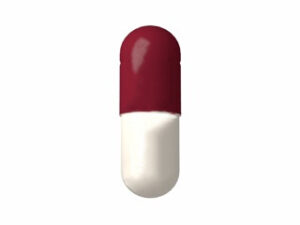
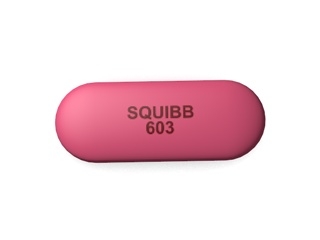
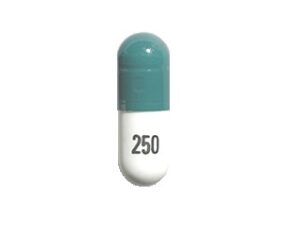
| Available Forms & Strengths | Capsules: 250 mg, 500 mg; Tablets: 250 mg (less common); Oral suspension (rare) |
| Manufacturers | Mylan Health, Aspen Pharmacare, Generic manufacturers |
| Prescription Status | Prescription Only Medicine (S4) – pharmacist must dispense with a valid script |
Mechanism of Action
For Patients: Sumycin is an antibiotic medicine that helps fight bacteria causing infection in the body. It blocks the bacteria’s ability to produce proteins they need to grow and multiply, allowing your body to clear the infection naturally.
For Specialists: Sumycin (tetracycline) binds reversibly to the bacterial 30S ribosomal subunit, inhibiting aminoacyl-tRNA attachment and subsequent protein synthesis. It is bacteriostatic and acts against a broad spectrum of Gram-positive and Gram-negative bacteria, as well as some atypical organisms including Chlamydia, Mycoplasma, and Rickettsia.
Pharmacokinetics
- Absorption: Rapidly but incompletely absorbed after oral administration (bioavailability 60–80%). Absorption is reduced by food, dairy, and antacids.
- Distribution: Widely distributed in body fluids and tissues; crosses placenta; small amount in breast milk.
- Metabolism: Minimal hepatic metabolism.
- Elimination: Excreted mainly via urine (~60%), faeces (unchanged drug); half-life ~8–10 hours in healthy adults.
- Duration of Action: Typically requires dosing every 6 or 12 hours depending on indication and formulation strength.
Use in Everyday Life and Best Practices
Sumycin is used in Australia to treat common bacterial infections such as acne, chest and sinus infections, urinary tract infections, and some sexually transmitted infections. It is also prescribed for less common diseases (e.g., Q fever, rickettsial infections).
- Always take Sumycin exactly as directed by your prescriber or pharmacist.
- Complete the full course, even if you feel better before it is finished, to avoid antibiotic resistance.
- If you miss a dose, take it as soon as you remember. If it is nearly time for the next dose, skip the missed dose—do not double-up.
- Drink a full glass of water with each dose.
- Do not lie down immediately after taking, as this can cause irritation of your food pipe (oesophagus).
Typical adult dosage: 250–500 mg every 6–12 hours; specific dosing varies by infection type.
Dosing in the Morning vs Evening
- Morning: Reduces risk of forgetting doses; minimises acid reflux risk if taken before breakfast.
- Evening: May suit some patients’ routines; should be taken at least 1–2 hours before bedtime (not directly before sleep).
- Consistency: Best results occur when taken at the same times every day. Set reminders if needed.
Taking with Food or on an Empty Stomach
Tetracycline works best when taken on an empty stomach, ideally one hour before meals or two hours after eating. Important for Australia: Many common English/Australian foods, especially milk, cheese, and yoghurt, can reduce absorption. For best effectiveness:
- Do not take Sumycin with milk or dairy products.
- Avoid iron or zinc supplements within 2 hours of a dose.
- If stomach upset occurs, check with your pharmacist—sometimes a light snack (not dairy) is allowed but may reduce effectiveness.
Interaction Warnings
| Interaction | Details/Advice |
|---|---|
| Milk and Dairy Products | Avoid within 2 hours; severely reduces absorption and effectiveness. |
| Antacids (calcium, magnesium, aluminium) | Do not take with or within 2 hours; prevents absorption of Sumycin. |
| Iron or Zinc Supplements | Avoid within 2 hours of Sumycin dosing. |
| Alcohol | Safe in moderation, but heavy alcohol use can worsen liver side effects. |
| Other Antibiotics (penicillins) | Avoid combining, as they may reduce each other's effectiveness. |
| Oral Contraceptives | Tetracyclines can slightly reduce effectiveness; use additional contraception if needed. |
| Anticoagulants (warfarin) | May enhance effect; additional blood monitoring recommended. |
| Retinoids (acne medicines) | Increased risk of intracranial hypertension; avoid combination. |
Indications
| Indication | Official / Off-label |
|---|---|
| Acne vulgaris | Official |
| Respiratory tract infections | Official |
| Sexually transmitted infections (e.g., chlamydia) | Official |
| Rickettsial infections/inc. Q fever | Official |
| Chronic bronchitis exacerbations | Off-label (specialist) |
| Helicobacter pylori infection (as part of combination) | Off-label |
| Prophylaxis of malaria (alternative) | Off-label |
Dosing According to Clinical Indications
| Condition | Adults | Children (over 8 years) | Elderly |
|---|---|---|---|
| Acne | 250–500 mg twice daily | 1–2 mg/kg per dose, 2x/day | As for adults, consider renal function |
| Chlamydia | 500 mg every 6 hours for 7 days | Not routinely recommended | As for adults, monitor for adverse effects |
| Q fever, rickettsial infections | 500 mg every 12 hours for 7–14 days | 2 mg/kg/dose every 12 hours | As for adults, cautious dosing |
| Respiratory infections | 250 mg every 6 hours | 2 mg/kg per dose, 4x/day | As for adults, adjust for kidney function |
Note: Not for use in children under 8 except where no alternative exists, as it may cause permanent tooth discolouration and enamel defects.
Safety Profile and Side Effects
| Frequency | Side Effect / Warning | Advice |
|---|---|---|
| Common | Gastrointestinal upset (nausea, diarrhoea), photosensitivity (sunburn) | Take with full glass of water, practice sun protection |
| Uncommon | Mouth sores, headache, dizziness | Report persistent symptoms to GP |
| Rare | Serious allergic reactions (rash, swelling), liver problems, increased intracranial pressure | Seek urgent medical advice |
| Long-term | Tooth staining, enamel defects (children <8yrs), possible fungal infections (thrush) | Discuss risks/benefits with doctor |
Guidelines for Proper Use
- Take at regular intervals for even blood levels—set phone reminders if needed.
- Strictly avoid dairy, antacids, or mineral supplements around dosing time.
- Practice sun safety—wear hats, sunscreen, and cover exposed skin.
- Inform your pharmacist or GP of all medicines and herbal supplements you are taking.
- Store at room temperature, away from moisture and heat; keep out of reach of children.
- Return unused or expired medicines to your pharmacy for safe disposal.
Alternative Treatment Options
- Doxycycline – Widely used alternative, similar efficacy but with once-daily dosing; generally preferred for most infections.
- Minocycline – Useful for some skin and respiratory infections, but more side effects involving the nervous system or skin.
- Macrolide antibiotics (azithromycin, erythromycin) – Suitable for patients allergic to tetracyclines, or in pregnancy (selected conditions).
- Penicillin antibiotics – Used if the bacteria are known to be sensitive and no allergies exist.
Pros of alternatives: More convenient dosing, better tolerance.
Cons: May not be suitable for all types of bacteria, different side effect profiles, possible resistance.
Legal, Registration, and Reimbursement Status in Australia
- Australian Registration: Registered for use by the Therapeutic Goods Administration (TGA).
- Legal Status: S4 (Prescription Only Medicine) as per the Poisons Standard.
- Reimbursement: Available under the Pharmaceutical Benefits Scheme (PBS) for certain indications (e.g., acne, respiratory infections, STIs, Q fever).
- Supply: Only available from Australian pharmacies with a script from an AHPRA-registered health practitioner.
Latest Research & Clinical Guidance (2022–2025)
- Recent stewardship programs in Australia recommend doxycycline over tetracycline for most indications due to improved dosing convenience and tolerability (Therapeutic Guidelines, 2023).
- Use of tetracyclines in acne remains supported for moderate-to-severe cases not responsive to topical therapy (Australasian College of Dermatologists, 2022).
- Continued vigilance on antibiotic resistance patterns is emphasised in the Australian Prescriber and the NPS MedicineWise publications (2022–2024 updates).
- Sumycin remains an acceptable choice when first-line options or generics are not available or suitable.
Availability, Pack Sizes, Prices, and Delivery
| Pack Size | Average PBS Price* (AUD) | Available in | Delivery (metro/major cities) |
|---|---|---|---|
| 100 x 250 mg capsules | $16–$22 | All capital city pharmacies | 1–2 business days |
| 28 x 500 mg capsules | $8–$12 | Pharmacies, hospital supply | 1–2 business days |
| Oral suspension (rare) | $35–$45 | On order, paediatric hospital pharmacies | 2–4 business days |
*Prices may vary due to pharmacy location and PBS co-payment.
FAQ – Common Patient Questions
1. Can I take Sumycin with my morning milky tea or coffee?No. Milk and dairy in beverages can reduce absorption of Sumycin. It is best to take your capsule with plain water at least 1 hour before, or 2 hours after, any milk-containing food or drink.
2. Is it safe to take Sumycin if I am planning to become pregnant?
No. Tetracyclines are not recommended in pregnancy or while trying to conceive due to potential effects on foetal bone and teeth development. Talk to your doctor about safer alternatives.
3. What should I do if I experience a rash or severe headache?
Stop the medicine and seek urgent medical advice. These could be signs of an allergy or rare but serious side effects.
4. Does Sumycin interact with the Pill (oral contraceptives)?
Tetracyclines can slightly decrease contraceptive pill effectiveness. Continue taking the pill, but consider using extra contraception (e.g., condoms) while on this antibiotic. Ask your pharmacist if unsure.
5. Can I drink alcohol with Sumycin?
Occasional, moderate alcohol is not a problem, but heavy alcohol use should be avoided, as it may increase side effects like liver problems.