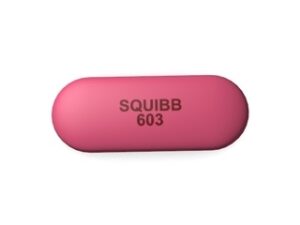

Zyvox® (Linezolid) – Patient Information (Australia)
Basic Product Information
| Active Ingredient (INN) | Linezolid |
|---|---|
| Brand Names (Australia) | Zyvox® (Pfizer), generic Linezolid |
| ATC Code | J01XX08 |
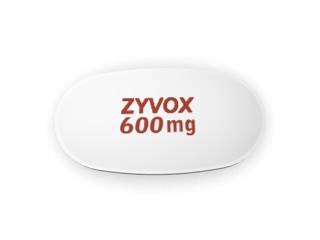
| Available Forms & Strengths | Film-coated tablets: 600 mg Oral suspension: 100 mg/5 mL Infusion solution: 2 mg/mL (300 mL = 600 mg per bag) |
| Manufacturers | Pfizer Australia Pty Ltd, Alphapharm Pty Ltd, and approved generic producers |
| Prescription Status | Prescription Only (Schedule 4; S4) |
Zyvox® (Linezolid) is an antibiotic used to treat serious bacterial infections when other antibiotics may not be suitable. It is only available on prescription in Australia and should always be taken as directed by your healthcare provider.
Mechanism of Action
For Patients: Linezolid stops certain bacteria from growing and multiplying by interfering with their ability to make proteins. This helps your body’s immune system overcome tough infections, especially those caused by "resistant" germs.
For Health Professionals: Linezolid inhibits bacterial protein synthesis by binding to the 23S rRNA of the 50S ribosomal subunit, preventing formation of the functional 70S initiation complex. Activity spectrum includes Gram-positive pathogens (e.g., MRSA, VRE, Streptococcus spp.).
Pharmacokinetics
- Absorption: Well absorbed orally (>90% bioavailability); oral and IV doses are generally interchangeable.
- Metabolism: Non-enzymatic oxidation in the liver, minimal CYP450 interaction.
- Elimination: Mainly via urine (30% unchanged drug, 50% as metabolites). Renal impairment may require dose adjustments with prolonged use.
- Duration of Action: Plasma half-life approx. 5–7 hours (adults).
Everyday Use & Best Practices in Australia
- Typical Adult Dose: 600 mg every 12 hours (tablet or IV)
- Paediatric Dose: 10 mg/kg every 8 hours (up to age 12), maximum 600 mg/dose
- Course length varies (usually 10–14 days, up to 28 days)
- Take doses at the same time each day for best effect
- Do not stop early, even if feeling better—complete the full prescribed course
- Common counselling point: Swallow tablets whole with water. Suspension should be well-shaken. If on IV, hospital/day-ward staff will administer.
In the Australian context, many patients receive Zyvox as a hospital outpatient for home therapy or in acute care settings. Tablet and suspension forms are suitable for home after initial IV dose in hospital.
Dosing: Morning vs Evening
Zyvox is generally taken every 12 hours—timing can be morning and evening (e.g., 8am and 8pm). There is no strong clinical evidence for significant advantage to either time; regular intervals are most important.
- For improved adherence, link your doses with regular daily activities (e.g., breakfast & dinner)
- If you miss a dose by less than 6 hours, take it as soon as possible; if it is almost time for the next dose, skip the missed dose and continue as normal. Never “double up.”
- Consistency in dosing times helps maintain effective blood levels and reduces the risk of side effects.
Taking with Food or on an Empty Stomach
Zyvox tablets and oral suspension can be taken with or without food. Taking with food may reduce the risk of stomach upset. No specific foods in a typical Australian diet (including dairy, cereals, or fruit) have any effect on absorption. However, patients must avoid large amounts of mature cheeses and certain fermented foods (see below).
- Drink plenty of fluids unless advised otherwise
- Australians typically eat three main meals; just try to tie doses to these for ease and regularity
- Check with your pharmacist about any specific seafood, dairy or local products if you have concerns
Interactions: Food, Alcohol, Medicines
Zyvox can interact with some common foods, drinks and medicines. The most important are listed below.
| Type | Interaction Details | Advice |
|---|---|---|
| Certain Foods | Mature cheeses, yeast extracts (Vegemite™, Marmite™), soy sauce, some craft beers | Avoid large quantities due to risk of serious increase in blood pressure (hypertensive crisis) |
| Alcohol | No direct interaction, but heavy drinking may worsen side effects | Best to limit or avoid alcohol during treatment |
| Antidepressants | SSRIs, SNRIs, TCAs, MAOIs, St John’s Wort | Risk of serotonin syndrome – dangerous reaction. Inform your doctor of all mental health medicines. |
| Cold & Flu Products | Products containing pseudoephedrine, phenylephrine | Risk of increased blood pressure. Check with your pharmacy. |
| Other Antibiotics | Possible additive adverse effects | Should be used only if specifically prescribed |
Check with your pharmacist or GP before taking any new medicine, vitamins, or supplements while on Zyvox.
Indications
| Official Indications | Off-label/Other Indications |
|---|---|
|
|
Dosing According to Clinical Indication
| Indication | Adults (≥12 years) | Children (<12 years) | Elderly (>65 years) |
|---|---|---|---|
| Pneumonia (incl. MRSA) | 600 mg orally/IV every 12h | 10 mg/kg orally/IV every 8h (max 600 mg/dose) | Same as adults; monitor for haematological side effects |
| Skin/Soft Tissue Infection | 600 mg orally/IV every 12h | 10 mg/kg orally/IV every 8h | Same as adults |
| VRE Infection | 600 mg orally/IV every 12h | 10 mg/kg orally/IV every 8h | Same as adults |
| Severe Renal Impairment | No initial dose adjustment, but monitor closely, especially for prolonged courses | ||
Always follow your healthcare provider’s instructions and the directions on your medicine label.
Safety Profile & Side Effects
Not everyone will experience side effects, but some can be serious. Report any side effects to your pharmacist or doctor.
| Type | Examples | Advice |
|---|---|---|
| Common | Nausea, headache, diarrhoea, taste changes, thrush (oral/vaginal), mild rash | Often settle on their own. Seek advice if persistent or bothering you. |
| Less Common | Low blood counts (anaemia, low platelets), nerve changes (numbness, tingling), vision problems, increased BP | Inform doctor promptly. May require blood tests or treatment adjustment. |
| Rare/Serious | Serotonin syndrome (confusion, fever, muscle spasm), lactic acidosis (shortness of breath, unexplained tiredness) | Go to hospital/emergency immediately if these are suspected. |
Warnings:
- Prolonged use (>28 days) increases risk of blood, nerve, and eye problems – requires close monitoring.
- Tell your doctor if you have a history of hypertension, thyroid issues, diabetes, epilepsy or psychiatric illness.
- Linezolid should be used with caution in pregnancy and breastfeeding; discuss with your healthcare provider.
Guidelines for Proper Use (Australia)
- Keep all follow-up appointments for blood tests if on Zyvox for more than 10 days.
- Store tablets and suspension below 25°C, away from damp and sunlight.
- Do not share your medication with others.
- If you feel unwell or notice odd symptoms, contact your GP or present to your nearest emergency department.
- Return any unused or expired medicine to your pharmacy (do not put in household rubbish).
If you have any doubts or questions, Australian community pharmacists are trained to give detailed medicine advice and check for interactions and safety.
Alternative Treatment Options
- Vancomycin (IV): Similar effectiveness for many “resistant” infections; not active against VRE. Generally requires hospital admission for IV therapy. May cause kidney issues.
- Daptomycin (IV): Used for complicated skin, bloodstream, right-sided heart valve infections; not funded for all uses in Australia and may be limited in outpatient setting.
- Clindamycin (oral or IV): Effective against less-resistant staph and strep, but not VRE or MRSA in many cases.
- Tedizolid (oral/IV): Similar to linezolid; not widely available or PBS listed as of 2024.
- Other oral options (co-trimoxazole, doxycycline, minocycline) may be used for less severe infections, depending on local susceptibility.
Choice depends on the germ, infection site, patient allergies, and tolerance. Linezolid is PBS-subsidised only for limited, serious infections where alternatives are not suitable. Discuss options with your doctor or infectious diseases specialist.
Legal, Registration, and Reimbursement Status in Australia
- Legal status: Schedule 4 (S4); Prescription Only Medicine, per the Poisons Standard (TGA, Therapeutic Goods Administration)
- Registration: Australian Register of Therapeutic Goods (ARTG) via TGA
- Reimbursement: PBS-subsidised for non-responsive Gram-positive infections (e.g., VRE, MRSA) – requires specialised authority
- Not available “over the counter”.
- Private dispensing available (patients may pay full price if not PBS-eligible).
Latest Research and Clinical Guidance (2022–2025)
- Recent Australian guidance confirms the safety and convenience of switching from IV to oral linezolid as soon as clinically appropriate (Therapeutic Guidelines: Antibiotic, v17, 2023).
- Prolonged use remains associated with peripheral neuropathy and cytopenias (Med J Aust, 2024; Lancet Infect Dis, 2022).
- Current studies show equivalent efficacy for 10-day versus longer courses in most infections, supporting early transition to oral and minimising side effects (Int J Antimicrob Agents, 2023).
- Monitor for serotonin toxicity in patients taking antidepressants; combination should be avoided or monitored closely (Australian Medicines Handbook, 2024).
- Australia encourages antimicrobial stewardship—linezolid is reserved for difficult cases to reduce resistance.
Availability and Delivery
| Form | Pack Size | Indicative PBS Price (2024) | Private Price Range | Approx. Delivery (Sydney, Melbourne, Brisbane) |
|---|---|---|---|---|
| Tablet 600mg | 10, 20 | $39.80* | $450–$650 (10 tabs) | 1–2 business days (urban), 3–5 (regional/rural) |
| Oral Suspension | 150 mL (100mg/5mL) | $41.30* | $520–$690 | 2–3 business days |
| IV Infusion | 300 mL (600mg) | $42.90* | $510–$700 | Hospital or specialist pharmacy only |
*PBS prices are subject to change and depend on relevant co-payments and patient eligibility. Home delivery is available through most urban pharmacies; remote/rural patients may experience delays.
FAQ – Frequently Asked Questions
- Should I avoid any foods while taking Zyvox?
Yes, avoid large amounts of mature cheeses, yeast or meat extracts like Vegemite™, and certain fermented foods and beers, as these can increase blood pressure when taken with Zyvox. - What should I do if I miss a dose?
Take the missed dose as soon as you remember, unless it’s almost time for the next scheduled dose—then skip the missed tablet. Do not double the next dose. Contact your pharmacist if unsure. - Can I drink alcohol during treatment?
There is no direct dangerous interaction, but alcohol can increase risk of stomach irritation or other side effects. It’s best to limit or avoid alcohol while you are taking Zyvox. - When will I start to feel better?
Some improvement is often seen within a few days. Even if you feel better, complete the full prescribed course to prevent the infection returning. - Is Zyvox safe for children and the elderly?
Yes, it can be safely prescribed at age-appropriate doses and with careful monitoring, especially for longer treatments. Your healthcare provider will determine the best plan for you or your child.
This information is intended as a general overview. Please consult your doctor, pharmacist, or health clinic for individual advice about using Zyvox (Linezolid).