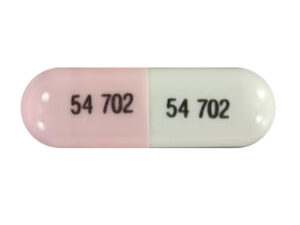
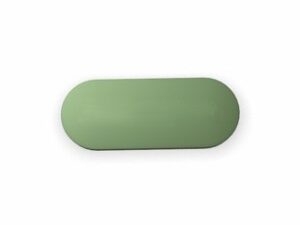
Quetiapine: Patient Information for Australia
Basic Product Information
| International Nonproprietary Name (INN) | Quetiapine |
|---|---|
| Australian Brand Names | Seroquel®, Seroquel XR®, Ketiapin®, Quetiapine GH®, Apo-Quetiapine, GenRx Quetiapine, among others |
| ATC Code | N05AH04 |
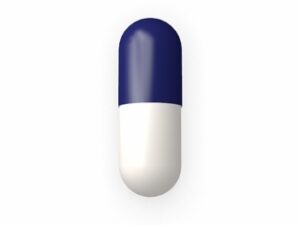
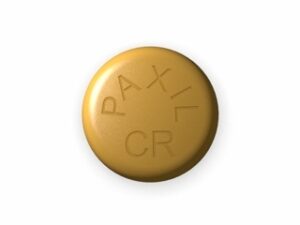
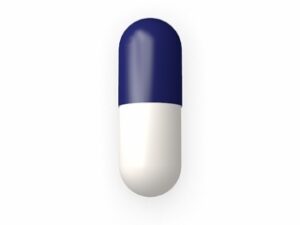
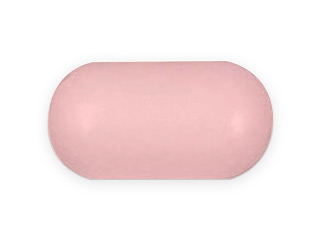
| Available Forms & Strengths |
|
| Manufacturers | AstraZeneca, Apotex, Mylan, Generic Health, and others |
| Prescription Status | Prescription Only Medicine (Schedule 4 – Prescription Medicine in Australia) |
Mechanism of Action
For Patients: Quetiapine is an antipsychotic medicine. It helps to balance certain chemicals in the brain that affect mood, thoughts, and behaviour. This can relieve symptoms of conditions like schizophrenia, bipolar disorder, and depression.
For Specialists: Quetiapine is an atypical antipsychotic. Its primary actions involve antagonism of serotonin (5-HT2A) and dopamine (D2) receptors, with additional activity at histamine H1, adrenergic alpha1 and alpha2, and minor muscarinic receptors. The extended-release formulation provides a steadier plasma concentration, minimising peak-related side effects.
Pharmacokinetics
- Absorption: Well absorbed orally; peak blood levels reached in 1.5 hours (immediate-release) or 6 hours (extended-release).
- Metabolism: Rapid hepatic metabolism, mainly by CYP3A4 enzyme; over 83% excreted as inactive metabolites.
- Elimination: Half-life: 6–7 hours (IR), up to 12 hours (XR). Excreted mainly in urine (73%) and faeces (21%).
- Duration of Action: 12–24 hours, requiring once or twice daily dosing.
Use in Everyday Life and Best Practices
Quetiapine is used to manage schizophrenia, bipolar disorder, and adjunctively in major depressive disorder. It should always be taken as prescribed by your doctor. The dose is individualised and may start low to reduce side effects, increased gradually for optimal results.
- Take Quetiapine at the same time each day to maintain steady effects.
- Do not stop Quetiapine suddenly without speaking to your doctor.
- Tablet should be swallowed whole with water—do not crush or chew (especially XR tablets).
- Report signs of severe drowsiness, dizziness, or allergic reaction to your healthcare provider urgently.
- Maintain regular clinic visits for blood tests and health reviews.
Dosing in the Morning vs Evening
Immediate-Release: Usually given twice daily (morning and evening). Morning dosing may cause drowsiness, so discuss with your doctor if daytime sleepiness affects you.
Extended-Release (XR): Typically once daily, preferably in the evening. Evening doses help counteract sedative effects during waking hours, improving adherence and function.
- Regular timing improves medicine efficacy and reduces risk of forgetting doses.
- Avoid changing dosing times without medical advice; inconsistency can affect effectiveness.
Taking with Food or on an Empty Stomach
The effect of food on Quetiapine absorption is minimal, but for extended-release tablets (XR), it's recommended to take them at least one hour before a meal or before bedtime. This is especially relevant for Australians with variable meal times—plan accordingly to avoid unintentional dose changes.
- Immediate-release: may be taken with or without food.
- Extended-release: take on an empty stomach where possible; if taken with food, avoid high-fat meals.
- Typical English diet: no need for dietary changes, but a healthy, balanced diet supports your overall health while on antipsychotic medication.
Interaction Warnings
| Interaction | Clinical Advice |
|---|---|
| Alcohol | Avoid—may increase drowsiness, dizziness, and risk of accidents. |
| Grapefruit juice | Avoid—may increase Quetiapine levels in blood, raising side effect risk. |
| Antihypertensives | Risk of low blood pressure (orthostatic hypotension); monitor closely. |
| Antidepressants & anticonvulsants | May alter Quetiapine effect (enzyme inducers lower, inhibitors raise levels)—dose adjustment may be needed. |
| Antibiotics (e.g. erythromycin, ketoconazole) | May increase Quetiapine levels—report to prescriber if prescribed together. |
| Drugs prolonging QT interval (e.g., antiarrhythmics) | Risk of serious heart rhythm changes—increased ECG monitoring advised. |
Indications
| Indication | Status | Details |
|---|---|---|
| Schizophrenia | Approved | Adults and adolescents (13–17 years) |
| Bipolar disorder (mania, depression, maintenance) | Approved | Adults and adolescents (Bipolar I, II, depression and maintenance) |
| Major depressive disorder (adjunct) | Approved | Adjunctive treatment in adults when standard therapy insufficient |
| Generalised anxiety disorder, insomnia, PTSD, dementia-related psychosis, behavioural disturbances (e.g. autism) | Off-label | Prescribed when benefits outweigh risks and monitored closely by specialists |
Dosing According to Clinical Indications
| Indication & Patient | Typical Starting Dose | Maintenance Dose Range | Maximum Dose |
|---|---|---|---|
| Schizophrenia (Adult) | 50 mg twice daily | 300–450 mg daily (divided) | 750 mg daily |
| Bipolar Mania (Adult) | 100 mg twice daily | 400–800 mg daily (divided) | 800 mg daily |
| Bipolar Depression (Adult, XR) | 50 mg at bedtime | 300 mg at bedtime | 600 mg daily |
| Major Depressive Disorder (Adjunct, Adult) | 50 mg at bedtime | 150–300 mg at bedtime | 300 mg daily |
| Elderly (All Indications) | 25 mg at bedtime | Lowest effective dose, titrate slowly | Lower than adult max—monitor for side effects |
| Adolescents (13–17 years) | 25 mg at bedtime | 150–400 mg daily | 400 mg daily |
All dosing is determined by your doctor, based on your health, symptoms and response.
Safety Profile and Side Effects
| Frequency | Possible Side Effects |
|---|---|
| Common (>10%) |
|
| Uncommon (1–10%) |
|
| Rare (<1%) |
|
Always tell your doctor or pharmacist about any side effects you may notice. Seek urgent medical attention for breathlessness, chest pain, severe rash, swelling, or confusion.
Guidelines for Proper Use (Australian Practice)
- Always take Quetiapine exactly as prescribed; sudden stopping can cause withdrawal effects.
- If you forget a dose, take it as soon as remembered unless nearly time for your next dose. Do not double-up.
- Inform your doctor if planning pregnancy, breastfeeding, or undertaking tasks involving driving or precision machinery.
- Do not mix with recreational drugs or alcohol.
- Get regular blood pressure, weight, blood sugar, and cholesterol checks (most GPs and clinics provide this in Australia).
- Store medication out of reach of children; do not share with others.
- Return unused medication to your local Australian pharmacy for safe disposal.
Alternative Treatment Options
- Olanzapine (Zyprexa®): Similar indications; greater likelihood of weight gain. Subsidised on PBS for select mental health diagnoses.
- Risperidone (Risperdal®): Broader range of dosage forms (includes liquid, depot injectable). May cause more movement-related side effects (extrapyramidal symptoms).
- Aripiprazole (Abilify®): Less sedating, possibly less weight gain. Subsidised for schizophrenia, some mood disorders.
- Clozapine (Clozaril®): Reserved for treatment-resistant schizophrenia. Requires blood monitoring and is strictly regulated.
- Lurasidone (Latuda®): Approved for bipolar depression and schizophrenia. Generally less sedating, less weight gain. PBS-listed for some indications.
Your doctor will discuss which medication best suits your needs, based on your history, side effect profile, and PBS (Pharmaceutical Benefits Scheme) reimbursement eligibility.
Legal, Registration, and Reimbursement Status in Australia
- Legal Status: Schedule 4 – Prescription Only (Therapeutic Goods Administration/TGA registered).
- Registration: All major strengths and brands approved by the TGA for mental health indications.
- Reimbursement: Most brands are subsidised under the Pharmaceutical Benefits Scheme (PBS) for eligible mental health conditions. Concessional rates apply for qualifying patients.
- Pharmacist Counselling: Required with every new prescription and repeat as per Australian standards.
Latest Research and Clinical Guidance (2022–2025)
- Recent insight (RANZCP 2023, NICE 2024): Quetiapine remains a first-line option for acute mania and maintenance in bipolar disorder, especially where sedation benefit is desired, or psychotic features are prominent.
- Australian studies (JAMA Psychiatry, 2024) emphasise monitoring for metabolic syndrome, especially in Aboriginal and Torres Strait Islander populations with higher baseline risk.
- Meta-analyses (Lancet Psychiatry, 2022): Suggest XR and IR forms have similar efficacy; the choice depends on convenience, tolerance, and comorbidity management.
- Emerging off-label use for insomnia or anxiety is not generally recommended unless under specialist supervision, due to metabolic and QoL risks (Australian Prescriber, 2023).
Availability and Delivery
| Popular Pack Sizes | Indicative Retail Price (AUD) | Delivery Time (Days) |
|---|---|---|
| 30 tablets (25mg, 100mg, 200mg, 300mg, 400mg) | $18–$36 (PBS co-payment lower for eligible patients) | 1–2 (Sydney, Melbourne, Brisbane, Adelaide, Perth) |
| 60/90 tablets (frequent for XR) | $27–$65 (brands may vary) | 2–3 (Hobart, Darwin, regional Australia) |
| 180 tablets (bulk script, chronic supply) | $50–$125 | 3–5 (remote/rural delivery) |
Most community pharmacies stock Quetiapine or can order with next-day delivery throughout Australia.
Frequently Asked Questions (FAQs)
- How long does Quetiapine take to start working?
Some effects (like drowsiness, calmness) may be felt in the first week. Full benefits for mood or psychotic symptoms can take 2–4 weeks. Always continue as prescribed, even if you feel better sooner. - Can I drink alcohol while taking Quetiapine?
It’s safest to avoid alcohol, as it increases drowsiness, impairs coordination, and may worsen mental health symptoms or side effects. - Is Quetiapine addictive?
Quetiapine is not considered addictive, but stopping suddenly can cause withdrawal symptoms or relapse. Only stop or change your dose under medical supervision. - Why do I need regular blood tests?
Regular blood tests check for possible side effects like changes to liver, blood sugar, cholesterol, and blood cells. This helps keep you safe on quetiapine, especially for long-term use. - What should I do if I miss or vomit a dose?
If you miss a dose, take it as soon as you remember unless it’s nearly time for your next dose. Do not double-up. If vomiting occurs soon after a dose, contact your doctor or pharmacist for advice.
Further Information: This information is a guide only and does not replace medical advice. Speak with your GP, pharmacist, or specialist team for advice tailored to your situation. For more, visit TGA or Australian Department of Health websites.