Paxil (Paroxetine) – Patient Information for Australia
Basic Product Information
| International Nonproprietary Name (INN) | Paroxetine |
|---|---|
| Australian Brand Names | Paxil®, Aropax®, Extine® |
| Anatomical Therapeutic Chemical (ATC) Code | N06AB05 |
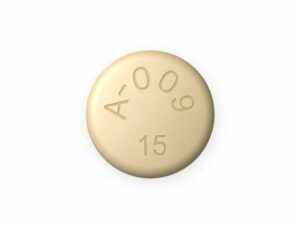
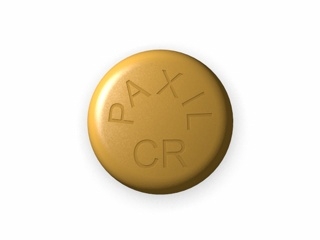
| Available Forms & Strengths |
|
| Manufacturers (AU) | GlaxoSmithKline Australia, Alphapharm, Sandoz, other approved generics |
| Prescription Status | Prescription Only Medicine (Schedule 4/S4) |
Mechanism of Action
Paroxetine belongs to a class of antidepressants known as selective serotonin reuptake inhibitors (SSRIs). It works by increasing the levels of serotonin, a chemical messenger in the brain that positively influences mood, emotion, and sleep. For specialists, paroxetine selectively inhibits the reuptake of serotonin (5-HT) in presynaptic neurons without significant affinity for noradrenaline or dopamine transporters.
Pharmacokinetics
- Absorption: Well absorbed orally; peak plasma concentrations reached within 5 hours.
- Metabolism: Extensively metabolised in the liver (mainly via CYP2D6).
- Elimination: Primarily excreted in urine as metabolites; less than 2% excreted unchanged.
- Duration of Action: Half-life ranges 15–20 hours, allowing for once-daily dosing.
Everyday Use & Best Practices
Paroxetine is taken once daily, usually at the same time to maintain steady levels in the body. Tablets must be swallowed whole with water, not chewed or crushed. Typical initial adult doses for depression and anxiety disorders start at 20 mg daily, which may be adjusted by your doctor according to your condition. Consistency in timing is important to ensure effectiveness and reduce side effects.
- Take your medication daily, even if you feel well.
- Do not stop abruptly—discuss any changes with your doctor as gradual dose reductions are recommended to avoid withdrawal symptoms.
- Store at room temperature, protected from moisture and direct sunlight, out of reach of children.
Dosing in the Morning vs Evening
- Morning Dosing: May minimise risk of insomnia (difficulty sleeping), which can occasionally occur as a side effect.
- Evening Dosing: Suitable if drowsiness is experienced as a side effect. Some individuals feel sleepy after taking paroxetine; for these patients, taking the dose at night may be preferred.
- Tips: Stick to the same time each day. If you forget a dose, take it as soon as you remember unless it is very close to the time for your next dose—then skip the missed one. Do not double up doses.
Taking with Food or on an Empty Stomach
Paroxetine may be taken with or without food. Taking it with meals can help reduce the chance of gastrointestinal side effects like nausea or upset stomach, which are more common at the beginning of treatment. There are no specific food restrictions with paroxetine in the Australian context; however, regular, balanced meals as per standard Australian dietary recommendations are advisable.
Interaction Warnings
| Type | Interaction | Advice |
|---|---|---|
| Food | No major restrictions, but heavy alcohol consumption should be avoided. | Moderation is key. High-fat meals do not significantly delay absorption. |
| Alcohol | May increase sedation and risk of side effects such as dizziness, drowsiness, impaired judgement. | It is advisable to minimise or avoid alcohol consumption while taking paroxetine. |
| Medicines |
| Always inform your doctor/pharmacist of all medicines (including herbal supplements and over-the-counter medicines) you are taking. |
Indications
| Indication | Official TGA-Approved? | Description |
|---|---|---|
| Major Depressive Disorder | Yes | Relieves symptoms of persistent sadness, loss of interest, and associated features. |
| Obsessive-Compulsive Disorder (OCD) | Yes | Reduces obsessions and compulsions that interfere with daily life. |
| Panic Disorder | Yes | Prevents sudden attacks of intense fear or discomfort. |
| Social Anxiety Disorder (Social Phobia) | Yes | Reduces symptoms of excessive fear in social settings. |
| Generalised Anxiety Disorder (GAD) | Yes | Relieves persistent, excessive anxiety and worry. |
| Post-Traumatic Stress Disorder (PTSD) | Yes | Used to manage stress and anxiety after trauma. |
| Premenstrual Dysphoric Disorder (PMDD) | Off-label | May help severe premenstrual symptoms; discuss with your specialist. |
Dosing by Clinical Indication
| Condition | Typical Adult Starting Dose | Maximum Daily Dose | Paediatric/Elderly Notes |
|---|---|---|---|
| Depression | 20 mg (once daily) | 50 mg | Not usually recommended for children; elderly start at 10 mg |
| OCD/Panic Disorder | 20–40 mg (titrated) | 60 mg | Paediatrics: only for selected indications under specialist care |
| Social Anxiety/ GAD/ PTSD | 20 mg (once daily) | 50 mg | Elderly may benefit from slower titration |
All dosing should be tailored by your treating clinician. Never increase or decrease the dose without professional advice.
Safety Profile / Side Effects
| Frequency | Side Effects | Clinical Note |
|---|---|---|
| Very Common (>10%) |
| Often improve over time |
| Common (1–10%) |
| Monitor for persistence; discuss with your doctor if problematic |
| Rare/Serious |
| Seek immediate medical attention if severe symptoms arise |
Guidelines for Proper Use (Pharmacist/Clinic Advice)
- Take paroxetine exactly as prescribed; do not alter your dose without medical advice.
- If you miss a dose, take it as soon as you remember—unless close to your next dose. Never double up doses.
- It may take a few weeks before you notice the full effect—be patient and continue as advised by your doctor.
- Contact your GP or pharmacist if you notice unusual symptoms, thoughts of self-harm, or allergic reactions.
- Inform all healthcare professionals that you are taking paroxetine, especially before surgery or when prescribed new medication.
- Before starting, discuss any history of heart, liver, kidney problems, bleeding disorders, or epilepsy with your doctor.
- For medication review or advice, you can speak with your pharmacist at any Australian pharmacy.
Alternative Treatment Options (PBS-Listed)
- Other SSRIs: Sertraline, fluoxetine, citalopram, escitalopram (pros: similar efficacy, different side effect profiles; cons: tolerability may vary)
- SNRIs: Venlafaxine, duloxetine (pros: may be more effective for some anxiety disorders; cons: higher risk of blood pressure changes, withdrawal)
- Atypical Antidepressants: Mirtazapine, agomelatine (pros: may assist with sleep; cons: weight gain, drowsiness)
- Psychotherapy: Cognitive Behavioural Therapy (CBT)—often used in combination with medication
Legal, Registration, and Reimbursement Status in Australia
- Registered with the Therapeutic Goods Administration (TGA)
- Prescription required under Schedule 4 (S4) – Prescription Only Medicine
- Listed on the Pharmaceutical Benefits Scheme (PBS) for approved indications—reducing out-of-pocket costs for eligible patients
- Not classified as a controlled drug; no special authority required for most indications
Latest Research and Clinical Guidance (2022–2025)
- Australian and New Zealand Clinical Practice Guidelines (2022): Continue to recommend SSRIs, including paroxetine, as a first-line treatment for moderate-to-severe depression and anxiety, but with caution regarding sexual side effects and withdrawal symptoms.
- International Reviews (Cipriani et al., The Lancet, 2023): Paroxetine remains effective but should be chosen after considering its higher risk of sexual side effects and discontinuation symptoms compared with some other SSRIs.
- Royal Australian and New Zealand College of Psychiatrists (RANZCP) Position: Emphasises the need for gradual tapering and shared decision-making with patients.
Availability and Delivery
Paxil and its generics are widely available at community pharmacies across Australia.
| Pack Size | Example Retail Price (*PBS co-pay for eligible patients) | Estimated Delivery (Metro) | Estimated Delivery (Regional/Remote) |
|---|---|---|---|
| 30 tablets (20 mg) | $30–$35 ($7.30 concession, $30.00 general*) | 1–2 business days (Sydney, Melbourne, Brisbane) | 2–5 business days (Darwin, Central QLD, regional WA) |
| 60 tablets (20 mg) | $60–$70 | 1–2 business days | 2–5 business days |
*Prices may vary between pharmacies and over time. Always check with your local provider.
Frequently Asked Questions (FAQ)
- How long does it take for Paxil (paroxetine) to work?
Most people start to notice some improvement in mood or symptoms within 2–4 weeks. Full benefit may take up to 6–8 weeks. Do not stop early; contact your doctor if you do not notice improvement after a month. - Can I drink alcohol while taking paroxetine?
Moderate alcohol intake is unlikely to be dangerous, but paroxetine can increase sedation and impair coordination. It’s safest to avoid or minimise alcohol. - What should I do if I miss a dose?
Take it as soon as you remember, unless it’s almost time for your next dose. If so, skip the missed dose—do not double up. Set daily reminders to help stay on track. - Is Paxil (paroxetine) addictive?
Paroxetine is not addictive in the way drugs of dependence are, but stopping suddenly can cause withdrawal (discontinuation) symptoms. Always follow your doctor’s instructions. - Can I take other medications with Paxil?
Always check with your doctor or pharmacist before starting, stopping, or combining other medicines, including herbal and over-the-counter preparations, due to potential for interactions.
Disclaimer: This guide is for educational purposes only and does not replace professional medical advice. For further information, speak to your pharmacist, GP, or mental health professional in Australia.