

Aripiprazole: Patient Information for Australians
Basic Product Information
| International Non-proprietary Name (INN) | Aripiprazole |
|---|---|
| Australia Brand Names | Abilify®, Abilify Maintena®, Aripiprazole Sandoz®, Aripiprazole Teva®, Aripiprazole AN® and generics |
| ATC Code | N05AX12 |
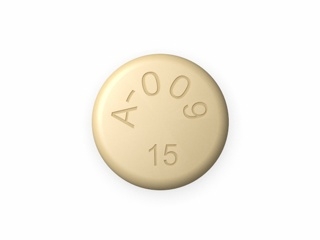
| Available Forms & Strengths |
|
| Manufacturers | Otsuka, Lundbeck, Sandoz, Teva, Pfizer, Mylan and others |
| Prescription Status (AU) | Prescription Only Medicine (Schedule 4/S4) |
Mechanism of Action
For patients: Aripiprazole is an ‘atypical antipsychotic’ medicine that works by helping to balance certain chemicals in the brain, particularly dopamine and serotonin. This helps manage the symptoms of mental health conditions like schizophrenia, bipolar disorder, and certain behavioural problems.
For healthcare professionals: Aripiprazole acts as a partial agonist at dopamine D2 and serotonin 5-HT1A receptors and as an antagonist at serotonin 5-HT2A receptors. This unique profile is thought to stabilise dopaminergic activity, providing antipsychotic effects with a potentially lower risk of extrapyramidal symptoms than typical antipsychotics.
Pharmacokinetics
- Absorption: Aripiprazole is well absorbed orally. Peak blood levels occur within 3–5 hours after a tablet dose.
- Bioavailability: ~87% for oral forms.
- Distribution: Widely distributed; high protein binding (99%).
- Metabolism: Metabolised mainly in the liver by CYP2D6 and CYP3A4 enzymes.
- Elimination: Mainly through urine and faeces as metabolites.
- Half-life: Average 75 hours (considerably longer in people with poor CYP2D6 metabolism).
- Duration of Action: Once-daily dosing is usually sufficient; depot injection lasts ~4 weeks.
Use in Everyday Life and Best Practices
Aripiprazole is used in Australia for managing several mental health conditions. It’s generally prescribed as either a tablet, orally dissolving tablet, solution, or monthly injection. The most common uses are for schizophrenia, bipolar disorder, and as an add-on to antidepressants in major depressive disorder. It can also be prescribed for irritability associated with autism in some children.
- Typical adult starting dose: Usually 10–15 mg orally once daily; may be increased gradually depending on individual response.
- Depot Injection: 400 mg injected every 4 weeks (often with overlapping oral tablets at the start).
- Always follow the instructions from your healthcare provider and do not stop this medication suddenly without consulting your doctor.
- If you miss a dose, take it as soon as you remember. If it is nearly time for your next dose, skip the missed dose and continue as normal—do not double up doses.
Best practice: Keep a regular routine around taking your medication—set a daily reminder, use pillboxes, or ask your pharmacist for practical tips to help you remember your dose.
Dosing: Morning vs Evening
Aripiprazole may be taken in the morning or evening, depending on how you tolerate it and the advice of your clinician.
- Morning dosing: Often preferred as aripiprazole can sometimes be activating (may cause alertness or agitation at first). Suits those who feel sleepy or drowsy on it less often.
- Evening dosing: Suitable for patients who experience drowsiness or sedation as a side effect. Can be integrated with evening routines, but may interfere with sleep in some.
- Key tip: Take it at the same time each day. If you are unsure which time is best, discuss with your doctor or pharmacist.
With Food or Without? (Diet & Meals in Australia)
Aripiprazole can be taken with or without food, according to patient preference. Taking it with food does not significantly affect absorption, so you can fit it into your daily Australian meal pattern (breakfast, lunch or dinner). Having a glass of water can help you swallow the tablet.
- If you experience mild stomach upset, taking it after a meal may help.
- Avoid excessive alcohol, as it can worsen side effects such as drowsiness and increase the risk of complications.
- Maintain a balanced diet in accordance with Australian dietary guidelines; aripiprazole is not known to interact with specific foods.
Interaction Warnings
| Interaction Type | Example(s) | Advice |
|---|---|---|
| Alcohol | Beer, wine, spirits | Avoid; increases drowsiness and may impair coordination |
| CYP2D6/CYP3A4 inhibitors | Fluoxetine, paroxetine, ketoconazole | May increase aripiprazole levels—dose adjustment may be required |
| CYP3A4 inducers | Carbamazepine, rifampicin, phenytoin | May reduce aripiprazole effectiveness—inform your doctor |
| Other antipsychotics or sedatives | Quetiapine, risperidone, sleeping tablets | Caution: additive side effects (drowsiness, confusion) |
| Blood pressure medications | Metoprolol, atenolol | Risk of low blood pressure—monitor and inform your GP |
- Always tell your doctor and pharmacist about all your medications, supplements, and over-the-counter products.
Indications (Approved & Off-Label)
| Condition | Approved Use | Off-label Use (Evidence-based) |
|---|---|---|
| Schizophrenia (Adults & Adolescents) | Yes | - |
| Bipolar I Disorder (Adults & Adolescents, incl. maintenance) | Yes | - |
| Major Depressive Disorder (as add-on) | Yes | - |
| Irritability in Autism Spectrum Disorder (aged 6–17) | Yes | - |
| Tourette syndrome | - | Supported in guidelines |
| Agitation, Delusional Disorders, Dementia-related Behaviour | - | Careful specialist use |
Dosing According to Clinical Indications
| Condition | Adults | Adolescents | Elderly |
|---|---|---|---|
| Schizophrenia (oral) | 10–15 mg once daily (max 30 mg/day) | 10 mg once daily (max 30 mg/day) | Start at lower dose, titrate slowly; consider 5–10 mg/day |
| Bipolar I disorder (acute mania) | 15 mg once daily (max 30 mg/day) | 10 mg once daily (max 30 mg/day) | Start at lower dose, titrate slowly |
| Major Depressive Disorder (add-on) | 2–5 mg once daily (max 15 mg/day) | Not routinely used | Lower starting doses preferred |
| Irritability (Autism, 6–17 yrs) | Not applicable | Start at 2 mg/day, titrate as needed (max 15 mg/day) | Not applicable |
| Depot Injection (Maintena®) | 400 mg IM every 4 weeks | Not routinely used | Cautious use; lower starting doses for frail patients |
- Always use as directed by your healthcare provider. Dosage may be adjusted based on response and tolerability.
Safety Profile & Side Effects
Like all medicines, aripiprazole can cause side effects. Many are mild and temporary, but some require immediate medical advice.
| Very Common/Common (>1 in 10 to 1 in 100) | Occasional (1 in 100–1,000) | Rare/Serious |
|---|---|---|
|
|
|
- Contact your doctor urgently if you experience extreme muscle stiffness, high fever, confusion, or persistent uncontrollable movements.
- Sensitisation to heat and risk of dehydration are important in Australian summers—drink plenty of water and avoid overheating.
Guidelines for Proper Use (Advice for Patients in Australia)
- Always carry your current medication list and alert healthcare professionals about your use of aripiprazole, especially during hospital visits or emergencies.
- Store tablets and solutions below 25°C, out of direct sunlight, and away from moisture—a cool, dry cupboard is ideal.
- Monitor for changes in mood, suicidal thoughts, or unusual behaviours, particularly in the first few weeks or when doses change.
- Regular check-ups: Attend all scheduled appointments for blood tests and checkups—your doctor will monitor your progress and side effects.
- If you are pregnant, planning a pregnancy, or breastfeeding, inform your doctor promptly.
- Avoid driving or operating heavy machinery until you know how aripiprazole affects you.
Alternative Treatment Options (PBS-reimbursed)
| Medicine (Generic Name / Brand) | Class | Pros | Cons |
|---|---|---|---|
| Risperidone (Risperdal®) | Atypical antipsychotic | Multiple forms, broad evidence base, PBS listed | May cause more weight gain and movement effects |
| Olanzapine (Zyprexa®) | Atypical antipsychotic | Strong mood stabiliser, long-acting injection option | Significant weight gain, metabolic syndrome risk |
| Quetiapine (Seroquel®) | Atypical antipsychotic | Useful for mood disorders, well tolerated | Can cause sedation, risk of misuse |
| Paliperidone (Invega®) | Atypical antipsychotic | Long-acting depot options, PBS listed | Expensive if not PBS, movement side effects |
| Clozapine (Clozaril®) | Atypical antipsychotic (specialist only) | Most effective for treatment-resistant schizophrenia | Strict monitoring, risk of serious blood disorders |
- Choice depends on personal tolerability, specific symptoms, lifestyle, and medical history. Discuss alternatives in detail with your specialist.
Legal, Registration, and Reimbursement Status in Australia
- Aripiprazole is registered in Australia with the Therapeutic Goods Administration (TGA).
- Available only with a current doctor’s prescription (S4 – Prescription Only Medicine).
- Many brands and generic formulations are subsidised for eligible conditions under the Pharmaceutical Benefits Scheme (PBS); co-payment applies.
- Depot injection formulation requires administration by a healthcare professional, typically at a clinic or hospital.
- Prescription repeats and supply duration are subject to TGA and PBS regulations and your doctor’s instructions.
Latest Research and Clinical Guidance (2022–2025)
- The Psychotropic Expert Group and The Royal Australian and New Zealand College of Psychiatrists (RANZCP) continue to support aripiprazole as first-line therapy for schizophrenia and bipolar disorder, thanks to its favourable side-effect profile (RANZCP, 2023).
- Australian treatment standards now more strongly consider cardiovascular and metabolic monitoring, given growing evidence of diabetes and lipid changes (Baker et al, MJA 2023).
- Recent reviews confirm that aripiprazole is a safe antipsychotic in youth, but close monitoring for activation or mood shifts (e.g., mania) is recommended (Hayes et al, 2024).
- Studies show depot aripiprazole improves medication adherence and reduces relapse compared to tablets in select patients (Kane et al, 2022, The Lancet Psychiatry).
- No major new safety signals, but emerging research supports cautious use in the elderly owing to risk of falls and extrapyramidal effects.
Availability and Delivery Across Australia
| Formulation/Pack Size | Typical PBS Co-payment (2024)* | Private Price Range | Estimated Delivery (Capital Cities) |
|---|---|---|---|
| Tablets (30 x 10 mg, 15 mg, 20 mg) | $7.30–$30.00 | $18–$45 | Sydney, Melbourne, Brisbane: 1–2 days Adelaide, Perth: 2–3 days Darwin, Hobart: up to 3–4 days |
| Orally Disintegrating Tablets (30 x 15 mg) | $7.30–$30.00 | $20–$56 | As above |
| Abilify Maintena® 400 mg Depot | $39.50 | $250–$320 | As above; may require pharmacy/fridge delivery |
| Oral Solution 1 mg/mL (30 mL) | $7.30–$30.00 | $40–$60 | As above |
*PBS co-payment depends on patient status (general vs concession). Private prices are approximate and vary by brand and pharmacy.
Frequently Asked Questions (FAQs)
- Is aripiprazole addictive?
Aripiprazole is not addictive. It does not cause cravings or withdrawal like substances of abuse. However, stopping suddenly can cause symptoms to return or worsen—always speak to your doctor before making changes. - Can I drive while taking aripiprazole?
Most people can drive safely once used to the medication. However, until you know how aripiprazole affects you (it may cause sleepiness or dizziness), avoid driving or cycling. If you ever feel confused or drowsy, do not drive and inform your doctor. - How long will I need to take aripiprazole?
This varies with the condition treated. Some people require short-term treatment; others benefit from several months or ongoing use. Your doctor will review your treatment regularly to determine the best plan. - What if I miss a dose?
Take the missed dose as soon as possible. If your next scheduled dose is close, skip the missed dose—do not double up. Consistency is key for effectiveness. - Are regular blood tests required?
Unlike some antipsychotics, routine blood monitoring is not mandatory for aripiprazole. However, your doctor may recommend checks of cholesterol, glucose, and other parameters as part of good practice.
Always consult your pharmacist or doctor for personalised advice and support.