Amitriptyline: Patient Information for Australia
Basic Product Information
| International Non-Proprietary Name (INN) | Amitriptyline |
|---|---|
| Common Australian Brand Names | Endep, Tryptanol |
| ATC Code | N06AA09 |
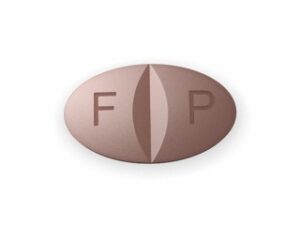
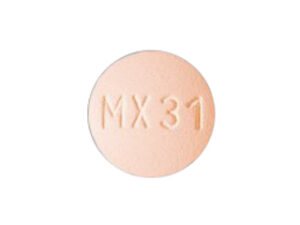
| Available Forms & Strengths | Oral tablets: 10 mg, 25 mg, 50 mg and 75 mg |
| Manufacturers (Australia) | Mylan, Aspen Pharma, Arrotex, and others |
| Prescription Status | Prescription only (Schedule 4) |
Mechanism of Action
For patients: Amitriptyline is a type of medicine called a tricyclic antidepressant (TCA). It works by increasing the levels of certain natural chemicals (neurotransmitters) in the brain, such as serotonin and noradrenaline. These chemicals help regulate mood, pain, and emotions, which can help manage depression, nerve pain, and other conditions.
For specialists: Amitriptyline inhibits the reuptake of serotonin and noradrenaline into presynaptic nerve terminals, thereby increasing their synaptic concentrations. Amitriptyline also blocks histamine H1, muscarinic acetylcholine, and alpha-adrenergic receptors to varying degrees, contributing to both therapeutic and side-effect profiles.
Pharmacokinetics
- Absorption: Well absorbed after oral administration but undergoes first-pass metabolism in the liver.
- Peak Plasma Concentration: Reached within 2–12 hours.
- Metabolism: Extensively metabolised in the liver, mainly via CYP2D6 to nortriptyline (active metabolite)
- Elimination: Metabolites are excreted via urine; elimination half-life averages 10–50 hours for amitriptyline, and similar for nortriptyline.
- Duration of Action: 12–24 hours; usually requires once-daily dosing.
Everyday Use and Best Practices in Australia
Amitriptyline is commonly prescribed for:
- Major depressive disorder (less commonly, due to side effects)
- Neuropathic pain (nerve pain from diabetes, shingles, or other causes)
- Prevention of chronic tension-type or migraine headaches
- Sleep disorders (off-label)
- Fibromyalgia and irritable bowel syndrome (off-label)
Typical doses:
- For pain or migraine prevention: usually 10–25 mg at night, may be increased if tolerated
- For depression: 75–150 mg at night, sometimes divided in several doses
Dosing in the Morning vs Evening
- When to take: Amitriptyline is usually taken in the evening or just before bed. This is because it can cause drowsiness or sedation in most people.
- Advantages of evening dosing: Reduces sleep problems, daytime drowsiness, and helps align therapeutic effect with pain or sleep-related symptoms.
- Disadvantages: May cause morning grogginess, especially at higher doses.
- Advice: Some people benefit from a lower test dose initially, or early evening (e.g., 6–8 pm) dosing if they experience morning drowsiness.
Taking With Food or on an Empty Stomach
Amitriptyline may be taken with or without food. For those who experience stomach upset, taking it with a light snack or after dinner may help.
- Food has little effect on absorption, so you can take Amitriptyline at a time that suits your routine.
- Common Australian meals (such as dinner or small evening snack) are suitable with this medicine.
Interaction Warnings
| Type | Example | Potential Effect | Advice |
|---|---|---|---|
| Medications | SSRIs, SNRIs, MAOIs, other antidepressants | Risk of serotonin syndrome, increased side effects | Not to be combined; inform your doctor |
| Medications | Anticholinergics, antihistamines | Increased dry mouth, blurred vision, constipation | Caution, monitor side effects |
| Medications | Antiarrhythmics, e.g., amiodarone, quinidine | Increased cardiac risk (QT prolongation) | Monitor ECG, dose adjust or avoid |
| Alcohol | Beer, wine, spirits | Enhanced drowsiness, increased accident risk | Avoid alcohol with amitriptyline |
| Food | Grapefruit juice | May alter blood levels | Limit grapefruit intake, if possible |
- Tell your doctor and pharmacist about all medicines and supplements you take before starting Amitriptyline.
Indications: Approved and Off-Label Uses
| Indication | Approved in Australia? | Notes |
|---|---|---|
| Major depressive disorder | Yes | Not first line due to side effect profile |
| Neuropathic pain (e.g., diabetic, post-herpetic) | Off-label | Common clinical practice |
| Prophylaxis of migraine and chronic tension headaches | Off-label | Widely prescribed |
| Sleep disorders (insomnia) | Off-label | Short-term use |
| Fibromyalgia, IBS, chronic pain syndromes | Off-label | Evidence supports low-dose use |
Dosing According to Clinical Indications
| Indication | Adults | Pediatric (12–17 yrs) | Elderly (>65 yrs) |
|---|---|---|---|
| Depression | 75–150 mg/day (single or divided dose) | 25–50 mg/day (only under specialist care) | 25–50 mg/day, adjust slowly |
| Neuropathic pain | 10–25 mg at night, increase as tolerated to max 75 mg | 10–25 mg at night (specialist guidance) | Start at 10 mg, increase cautiously |
| Headache prevention | 10–25 mg at night, adjust as required | Not routinely recommended | Start at lowest dose |
- All changes to dose should be made under doctor supervision.
- Amitriptyline is not generally used in children under 12 years in Australia.
Safety Profile and Side Effects
| Side Effect | How common? | Advice |
|---|---|---|
| Drowsiness or sedation | Very common | Take in the evening; avoid driving |
| Dry mouth | Very common | Stay hydrated; chew sugar-free gum |
| Constipation | Common | High fibre diet, regular fluids |
| Weight gain | Common | Monitor weight, healthy eating, stay active |
| Blurred vision | Common | Inform your doctor if persistent |
| Palpitations / heart rhythm changes | Rare but serious | Seek urgent medical attention if new symptoms occur |
| Confusion, agitation, hallucinations | Rare | Especially in elderly – alert doctor |
| Seizures | Very rare | Discontinue and seek urgent care |
| Suicidal thoughts, mood changes | Rare | Seek urgent help; monitor carefully in first weeks |
- Most side effects are dose-related and may improve over time.
- Report severe or persistent problems promptly.
Guidelines for Proper Use
- Take your medicine at the same time every day, preferably at night.
- If you forget a dose, take it as soon as you remember, but skip if close to the next dose. Do not double dose.
- Do not stop suddenly, especially after long-term use—speak to your doctor about reducing dose gradually.
- Store at room temperature, away from moisture and sunlight.
- Do not drive or operate machinery until you know how the medicine affects you.
- Book regular follow-ups with your GP or specialist, especially if used for depression or nerve pain.
- Keep out of reach of children and never share your medication.
Alternative Treatment Options
- For depression: SSRIs (such as sertraline, escitalopram), SNRIs (venlafaxine), mirtazapine. These alternatives are generally better tolerated and often first-line funded by the PBS.
- For nerve pain: Duloxetine, pregabalin, gabapentin (all available and PBS-listed for certain indications), topical agents (capsaicin cream).
- For headaches: Propranolol, topiramate, valproate (all used for migraine prevention, with various funding statuses).
Pros and cons: Amitriptyline is low cost and effective but has more sedation, anticholinergic effects, and higher overdose risk than newer options. Other antidepressants and pain modulators may have fewer side effects or be safer in older people or those with heart conditions.
Legal, Registration, and Reimbursement Status in Australia
- Registered with the Therapeutic Goods Administration (TGA).
- Prescription required (Schedule 4, RX only).
- Reimbursed under the Pharmaceutical Benefits Scheme (PBS) for depression and some pain indications.
- Pack sizes: typically 50, 100, or 200 tablets per pack.
- Generic and brand options widely available.
Latest Research and Clinical Guidance (2022–2025)
- Clinical trials and guidelines (e.g., NICE, RANZCP, RACGP) continue to endorse low-dose amitriptyline for chronic neuropathic pain and headache prevention, where first-line agents are not effective or tolerated.
- Meta-analyses (2022–2024): Support efficacy in neuropathic pain at low doses, but highlight tolerability issues and reinforce careful patient selection (BMJ 2023; Cochrane Reviews).
- Australian guidelines (RACGP 2024): Advise using the lowest effective dose, monitor for cognitive side effects in elderly patients, avoid in significant cardiac history, and prescribe with caution in polypharmacy.
- References:
- National Institute for Health and Care Excellence (NICE) Guidance NG193, 2023
- RACGP “Prescribing drugs of dependence”, 2024
- Cochrane Database Syst Rev 2023;15(8):CD013645
Availability and Delivery in Australia
| Pack Size | Typical Retail Price (AUD) | Brand | Delivery Time (Sydney, Melbourne, Brisbane, Perth) |
|---|---|---|---|
| 50 tablets (25mg) | $12 – $18 | Endep/Mylan/Generic | 1–3 business days |
| 100 tablets (25mg) | $20 – $30 | Endep/Generic | 1–4 business days |
| 200 tablets (10mg, 25mg) | $38 – $45 | Generic | 2–5 business days (may take longer for rural/remote) |
- All prices are indicative, may vary across pharmacies and states.
- Delivered to homes or local Australia Post collection points.
- Repeat prescriptions may be delivered on schedule with most online pharmacies.
Frequently Asked Questions (FAQ)
- How long does it take for Amitriptyline to start working?
Improvement in pain or sleep is often noticed within 1–2 weeks. For depression, it may take 2–4 weeks for full benefit. Do not stop early—discuss with your doctor if there is no effect after a month. - Can Amitriptyline be used long term?
Yes, it is often used long-term for nerve pain or depression, but ongoing follow-up with your GP or specialist is important to minimise side effects and assess continued need. - Is Amitriptyline addictive?
Amitriptyline is not addictive, but stopping it suddenly can cause withdrawal symptoms. Always reduce dose gradually with medical supervision. - Is Amitriptyline safe in pregnancy or breastfeeding?
Amitriptyline is not generally recommended during pregnancy and breastfeeding unless specifically advised. Discuss with your doctor about risks and alternatives. - What should I do if I get severe side effects?
Stop taking Amitriptyline and seek urgent medical attention if you have heartbeat changes, confusion, severe dizziness, seizures, or signs of allergy (rash, swelling, breathing problems).
Always consult your Australian healthcare provider or pharmacist for personalised advice. This information is general and not a substitute for professional medical care.