Cymbalta (Duloxetine) – Australian Patient Information
Basic Product Information
| Active Ingredient (INN) | Duloxetine |
|---|---|
| Common Australia Brand Names | Cymbalta, Drizalma, Yentreve (select indications) |
| ATC Code | N06AX21 |
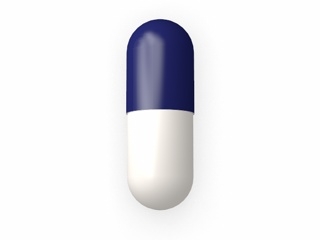
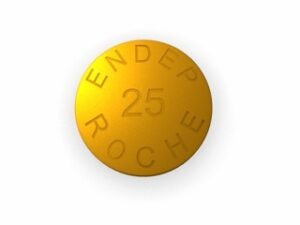
| Available Forms & Strengths | Capsules: 30 mg, 60 mg (delayed-release, enteric-coated) |
| Manufacturers | Eli Lilly Australia Pty Ltd, various generic manufacturers |
| Prescription Status | Prescription only (Schedule 4, S4) |
Mechanism of Action
Cymbalta (duloxetine) is a medication classified as a serotonin and noradrenaline reuptake inhibitor (SNRI). In simple terms, it works by increasing levels of serotonin and noradrenaline (also called norepinephrine), which are natural substances in the brain that help maintain mental balance and modulate pain signals.
For specialists: Duloxetine selectively inhibits the reuptake of serotonin (5-HT) and noradrenaline (NA) at neuronal synapses, with weak inhibition of dopamine reuptake, and negligible affinity for muscarinic, histaminergic, and adrenergic receptors.
Pharmacokinetics
- Absorption: Oral bioavailability ~50%; maximal plasma concentrations reached 6 hours (range: 4–8 hours) after dosing.
- Distribution: Widely distributed; approximately 96% protein bound.
- Metabolism: Extensively metabolised in the liver via CYP1A2 and CYP2D6 isoenzymes.
- Elimination: Primarily excreted in urine as metabolites; elimination half-life ~12 hours (range: 8–17 hours).
- Duration of action: Once-daily dosing is sufficient for most therapeutic effects.
Everyday Use and Best Practices in Australia
Typical Doses: The usual starting dose for major depressive disorder and generalised anxiety disorder is 30 mg once daily, increasing to 60 mg once daily as tolerated. For diabetic peripheral neuropathic pain or fibromyalgia, 60 mg once daily is typical. Always follow your doctor’s instructions and never change your dose without consulting your healthcare provider.
How to Use:
- Swallow capsules whole; do not crush or chew.
- Take at the same time each day for best results.
- If you miss a dose, take it as soon as you remember—unless it is close to your next dose, in which case skip the missed dose. Do not double dose.
Australian Context: Regular reviews with your GP or pharmacist are recommended, especially when starting treatment or adjusting the dose. If you are unsure, ask your pharmacist—they are trained to help with any medicine-related questions you have.
Dosing in the Morning vs Evening
Cymbalta can be taken either in the morning or evening, depending on your routine and tolerance of potential side effects.
- Morning dosing: May be preferred if Cymbalta causes insomnia or energising effects.
- Evening dosing: May be suitable if daytime drowsiness is bothersome.
- Consistency is key: Take at the same time daily to maintain stable blood levels.
- Practical tip: Discuss the best timing with your doctor or pharmacist; you may start in the morning and adjust as needed.
Taking with Food or On an Empty Stomach
Cymbalta may be taken with or without food. For some people, taking it with food can reduce the chance of nausea or stomach upset—a common initial side effect. In Australian diets, pairing Cymbalta with breakfast or the evening meal is acceptable.
There is no significant difference in drug absorption with or without food; however, taking with a light meal is often recommended.
Interaction Warnings
| Type | Specific Interactions | Recommendation |
|---|---|---|
| Medications |
| Consult your prescriber or pharmacist before starting new medicines. |
| Food |
| Generally safe with normal Australian foods. Avoid excess grapefruit. |
| Alcohol |
| Limit or avoid alcohol while taking Cymbalta. |
Indications
| Indication | Official (TGA-approved) | Off-label/Common Practice |
|---|---|---|
| Major Depressive Disorder (MDD) | Yes | - |
| Generalised Anxiety Disorder (GAD) | Yes | - |
| Diabetic Peripheral Neuropathic Pain | Yes | - |
| Fibromyalgia | Yes (selected brands/strengths) | - |
| Stress Urinary Incontinence | No (not TGA-approved in Australia) | Sometimes under specialist direction |
| Chronic Musculoskeletal Pain | Yes | - |
Note: Indications should always be confirmed by your prescriber.
Dosing According to Clinical Indications
| Indication | Adult Dose | Elderly (65+) | Pediatric (7–17 years) |
|---|---|---|---|
| Major Depressive Disorder | 30–60 mg once daily | Start low (30 mg); monitor | 30–60 mg once daily* |
| Generalised Anxiety Disorder | 30 mg once daily, may increase to 60 mg | Start 30 mg; cautious titration | 30 mg once daily* |
| Diabetic Neuropathic Pain | 60 mg once daily | 60 mg once daily; monitor renal function | Not established |
| Fibromyalgia / Musculoskeletal Pain | 30–60 mg once daily | As above; watch for falls/drowsiness | Not established |
*Cymbalta is not routinely TGA-approved for children/adolescents and should only be considered when recommended by a specialist.
Safety Profile & Side Effects
| Frequency | Side Effects |
|---|---|
| Common (>1/10) |
|
| Occasional (<1/10) |
|
| Rare (<1/100) |
|
Warnings
- Always read the Consumer Medicine Information leaflet.
- Seek immediate medical help if you have thoughts of self-harm, severe allergic reactions, or symptoms of liver problems (such as yellowing of the skin/eyes, dark urine).
- Do not stop Cymbalta suddenly without medical advice—may cause withdrawal symptoms such as irritability, dizziness, sensory changes, and flu-like effects.
- Use caution if you drive or operate machinery until you know how Cymbalta affects you.
Guidelines for Proper Use (Australian Advice)
- Always use Cymbalta exactly as prescribed by your doctor.
- Store below 25°C; keep capsules in their original packaging to protect from moisture.
- Keep all medicines out of reach of children.
- If you take too much (overdose), contact the Poisons Information Centre (Phone: 13 11 26) or go to the nearest hospital emergency department, even if there are no symptoms.
- For ongoing support, many Australian pharmacies can assist with medicine management reviews or provide information in multiple languages.
- Eligibility for Pharmaceutical Benefits Scheme (PBS) reimbursement may depend on your clinical indication—ask your pharmacist if you are unsure.
Alternative Treatment Options
- Other SNRIs: Venlafaxine (Efexor XR)—effective for depression and anxiety; may be more likely to increase blood pressure.
- SSRIs: Sertraline, escitalopram, fluoxetine—commonly used, generally well-tolerated; may cause sexual side effects or weight gain.
- Tricyclic antidepressants (TCAs): Amitriptyline, nortriptyline—can be effective, but more likely to cause sedation and anticholinergic effects.
- Other pain medications: Pregabalin, gabapentin (for neuropathic pain).
- Psychological therapies: Cognitive-behavioural therapy (CBT) is recommended as first-line for many conditions; may be combined with medication.
Your prescriber will advise on the most appropriate option, taking into account Australian reimbursement (PBS) and your personal health background.
Legal, Registration, and Reimbursement Status in Australia
- Registered with the Australian Therapeutic Goods Administration (TGA).
- Prescription Medicine: Schedule 4 (S4) controlled substance; available only with a valid healthcare provider’s prescription.
- PBS subsidised for approved clinical indications (see www.pbs.gov.au for the latest information).
- Not available over the counter.
- Legal importation only with valid script for personal use.
Latest Research and Clinical Guidance (2022–2025)
Recent Australian and international guidelines continue to support the use of duloxetine for depression, anxiety, and neuropathic pain. The 2022 Royal Australian and New Zealand College of Psychiatrists (RANZCP) mood disorder guidelines recommend SNRIs such as duloxetine as a useful option after SSRIs, especially when pain symptoms are present or where there is inadequate SSRI response (RANZCP 2022).
A 2023 review in the British Journal of Psychiatry highlights duloxetine’s particular benefits in patients with neuropathic pain comorbid with depression (BJP 2023).
Ongoing monitoring for rare but serious side effects, such as liver toxicity and serotonin syndrome, is strongly recommended in Australia, as per TGA advice.
Availability and Delivery Information (Australia)
| Pack Size | Common Strengths | Indicative PBS Price | Private Price Range |
|---|---|---|---|
| 28 capsules | 30 mg, 60 mg | Mainly standard NHS co-payment ($30 or $7 concession cardholders) | $23–$39 |
| 56 capsules | 30 mg, 60 mg | As above | $44–$69 |
| Delivery City | Estimated Delivery Time (business days) |
|---|---|
| Sydney | 1–2 |
| Melbourne | 1–2 |
| Brisbane | 1–2 |
| Perth | 2–5 (air/road freight) |
| Adelaide | 1–2 |
| Hobart | 2–3 |
Check with your pharmacy online or in person for up-to-date availability, pricing, and delivery options.
Frequently Asked Questions (FAQ)
- Is Cymbalta addictive?
No, Cymbalta is not a controlled drug and is not habit-forming, but it can cause withdrawal symptoms if stopped suddenly. Always taper under your doctor’s advice. - How long does it take for Cymbalta to work?
Some symptoms may begin to improve within 1–2 weeks, but optimal benefit typically takes 4–6 weeks. - Can I drink alcohol while taking Cymbalta?
It is best to limit or avoid alcohol, as both can affect the liver and increase the risk of drowsiness or impaired thinking. - Can Cymbalta be used in pregnancy or breastfeeding?
Use is generally not recommended during pregnancy or breastfeeding unless benefits outweigh risks. Discuss all options with your doctor. - What should I do if I experience side effects?
Most side effects are mild and temporary. If side effects persist, worsen, or are severe (e.g., jaundice, rash, suicidal thoughts), seek immediate medical advice.
If you have any other questions, talk to your GP, specialist or local pharmacist.