Seroquel (Quetiapine): Patient-Centric Guide for Australia
Basic Product Information
| International Nonproprietary Name (INN) | Quetiapine |
|---|---|
| Australia Brand Names | Seroquel, Seroquel XR, Quetiapine Sandoz, Quetiapine APO, Quetiapine Teva, and others |
| ATC Code | N05AH04 |
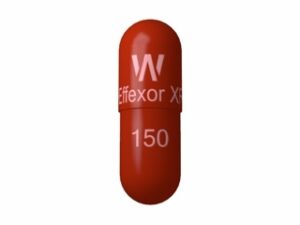
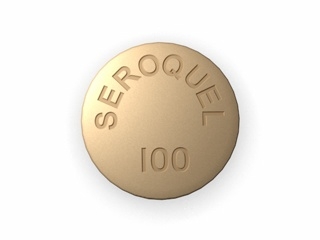
| Available Forms & Strengths | Film-coated tablets: 25 mg, 100 mg, 200 mg, 300 mg, 400 mg. Modified-release (XR): 50 mg, 150 mg, 200 mg, 300 mg, 400 mg. |
| Manufacturers | AstraZeneca, Sandoz, Apotex, Teva |
| Prescription Status | Prescription only (Schedule 4, Australia Poisons Standard) |
Mechanism of Action
For Patients: Seroquel (quetiapine) is an antipsychotic medicine. It helps balance certain chemicals (neurotransmitters) in the brain. By doing this, it can reduce symptoms like hallucinations, mood swings, agitation, and disordered thinking often seen in conditions like schizophrenia, bipolar disorder, and depression.
For Healthcare Professionals: Quetiapine exhibits antagonism of dopamine D2 and serotonin 5-HT2A receptors, with affinity for histaminergic H1 and adrenergic alpha1- and alpha2-receptors as well. It has low affinity for muscarinic receptors. The active metabolite, norquetiapine, contributes to noradrenergic and serotonergic actions. This multimodal action underpins both antipsychotic and mood-stabilising effects.
Pharmacokinetics
- Absorption: Well absorbed orally; peak plasma concentrations occur in 1.5 hours (IR formulation), 6 hours (XR formulation).
- Metabolism: Extensively metabolised in the liver, primarily by CYP3A4.
- Elimination: Mainly via urine (73%), also faeces (21%).
- Half-life: About 7 hours (quetiapine), up to 12 hours (norquetiapine metabolite).
- Duration of action: Effect may last up to 24 hours with XR forms.
Use in Everyday Life and Best Practices
Seroquel should always be used exactly as prescribed by your doctor. Dosage and timing depend on your specific condition and how you respond to treatment. Generally, immediate-release tablets are taken twice daily, while XR tablets are taken once daily (usually evening).
- Tablets should be swallowed whole with water—do not crush, chew, or break XR tablets.
- Follow any extra instructions your doctor or pharmacist provides, especially before stopping or changing your dose.
- Keep up with regular reviews to monitor side effects and effectiveness.
- Store at room temperature, away from moisture and heat, and out of reach of children.
Dosing: Morning vs Evening
The timing of Seroquel depends on your prescribed form and treatment plan:
- Immediate-Release (IR): Usually twice daily, morning and evening. Morning dosing may cause drowsiness, so if you feel sleepy, discuss adjusting the timing with your doctor.
- Extended-Release (XR): Typically taken once in the evening. This helps to manage potential drowsiness and fits most daily routines.
Tip: Be consistent—take Seroquel at the same time(s) daily to maintain stable levels in your system.
Taking with Food or on an Empty Stomach
- Immediate-release tablets can be taken with or without food.
- Extended-release tablets should be taken without food (or with a light meal); ideally, wait at least one hour after eating before taking XR.
- Typical English and Australian diet (e.g., meat pies, fish and chips, fresh fruit, and vegetables) does not significantly affect absorption, but high-fat meals can increase the absorption from XR tablets.
Advice: Avoid heavy or high-fat meals immediately before taking Seroquel XR.
Interaction Warnings
| Type | Interaction | Advice |
|---|---|---|
| Food | Grapefruit/grapefruit juice (CYP3A4 inhibitor) increases Seroquel levels. | Avoid grapefruit products. |
| Alcohol | Enhanced sedation, risk of overdose or impaired motor skills. | Avoid or minimise alcohol use. |
| Medications | Antifungals (ketoconazole), HIV protease inhibitors, erythromycin, antiepileptics (phenytoin, carbamazepine), antihypertensives, CNS depressants. | Tell your doctor/pharmacist about all medicines you’re taking. |
| Herbal | St John’s Wort may decrease effectiveness. | Avoid or consult your healthcare provider first. |
Indications
| Indication | Status in Australia |
|---|---|
| Schizophrenia (adults and adolescents >13 years) | Approved |
| Bipolar disorder (mania/depression; maintenance) | Approved |
| Major depressive disorder (adjunct to antidepressant) | Approved (for XR formulation only) |
| Delirium, anxiety disorders, PTSD, insomnia | Off-label; specialist oversight recommended |
Dosing According to Clinical Indications
| Indication | Adult Dose (mg/day) | Pediatric Dose | Elderly Dose |
|---|---|---|---|
| Schizophrenia | 300–800 (divided, IR) / 400–800 (once, XR) | >13 years: start 50 mg, titrate to 300–800 | Start lower (25–50 mg), titrate more slowly |
| Bipolar mania | 400–800 (divided, IR or XR) | >10 years: start 50 mg, titrate to 400–600 | Start 25–50 mg, adjust by tolerance |
| Bipolar depression | 300 (evening, XR) | Not routinely used | 150–300, cautious titration |
| Adjunct in major depression | 50–300 (evening, XR) | Not licensed | Start low (25–50), cautiously increase |
All doses must be individually adjusted. Never change your dose without medical advice.
Safety Profile & Side Effects
| Frequency | Side Effects | Important Warnings |
|---|---|---|
| Very common (≥10%) | Drowsiness, dry mouth, dizziness, weight gain | May impair driving or operating machinery |
| Common (1–10%) | Constipation, increased appetite, rapid heartbeat, blood pressure changes | Blood sugar and cholesterol monitoring recommended |
| Rare (<1%) | Seizures, jaundice, low white blood cell count | Seek immediate medical advice if severe symptoms develop |
| Very rare (<0.1%) | Neuroleptic malignant syndrome, severe allergic reactions | Potentially life-threatening: immediate hospital care needed |
Guidelines for Proper Use
- Take your medication as prescribed — do not adjust or stop without consulting a healthcare provider.
- Attend regular check-ups for mood, side effects, weight, blood pressure, and blood tests (blood sugar, cholesterol, liver function).
- Be aware that Seroquel can make you sleepy—avoid driving until you know how it affects you.
- Tell all healthcare providers (GP, dentist, specialist) that you take Seroquel.
- Inform your doctor promptly if you become pregnant, breastfeed, or plan to.
- Seroquel is not recommended with certain cardiac, liver, or metabolic conditions without specialist advice.
Alternative Treatment Options
- Other Antipsychotics: Risperidone, Olanzapine, Aripiprazole (PBS listed; each with different side effect and efficacy profiles).
- Mood Stabilisers: Lithium, Valproate, Lamotrigine for bipolar disorder (PBS reimbursed, differing side effect profiles).
- Antidepressants: SSRIs, SNRIs for depression—sometimes used together with antipsychotics if needed.
Brief comparative overview:
- Risperidone: Higher risk of movement disorders, less weight gain; suitable alternative in some patients.
- Olanzapine: More sedation and weight gain; very effective for mania.
- Aripiprazole: Less sedation/weight gain, more activating; may suit younger adults.
- Lithium: Not an antipsychotic, but cornerstone for bipolar mood control; requires regular blood monitoring.
Legal, Registration, and Reimbursement Status in Australia
- Registered with the Therapeutic Goods Administration (TGA).
- Prescription required (Schedule 4, Poisons Standard).
- Most Seroquel and generic quetiapine brands listed on the Pharmaceutical Benefits Scheme (PBS), subsidising cost for eligible patients.
- General (non-concessional) PBS co-payment applies, with lower cost for concession card holders. Extra indications (e.g., off-label use) may require specialist assessment.
Latest Research and Clinical Guidance (2022–2025)
- 2022–2025: NICE, Australian and New Zealand College of Psychiatrists (RANZCP) guidelines continue to recommend quetiapine as a first- or second-line for schizophrenia, bipolar, and as adjunct in major depressive disorder (RANZCP 2024).
- New research highlights ongoing need for metabolic and cardiovascular monitoring due to risk of weight gain, diabetes, and lipid changes (The Lancet Psychiatry 2024).
- Safety in children/adolescents is still monitored closely—specialist oversight is essential; long-term studies currently underway.
- Recent studies support "as-needed" use for acute agitation only under medical supervision (not for regular self-use).
Availability and Delivery
| Pack Size | Formulation | Price Guide (AUD) | Availability in Major Cities | Estimated Delivery (metro/regional) |
|---|---|---|---|---|
| 60 tablets | IR, 25 mg | $10 (PBS concessional) / $30 (general) | Sydney, Melbourne, Brisbane, Perth, Adelaide | 1–2 business days / 2–4 business days |
| 60 tablets | XR, 300 mg | $25 (PBS concessional) / $42 (general) | All capital cities | 1–2 business days / 2–5 business days |
| 30 tablets | XR, 400 mg | $30 (PBS concessional) / $55 (general) | Most pharmacies, Australia-wide | 1–2 business days / 2–6 business days |
Larger packs and generics available. Most community or online pharmacies deliver across all states and territories.
Frequently Asked Questions (FAQ)
- How long does it take for Seroquel to start working?
Some effects (calming, reduced agitation) may start in a few days, but mood, psychosis, or depression improvements may take 2–6 weeks. Always keep taking as directed for best results. - Is Seroquel addictive?
No, Seroquel is not addictive. However, stopping suddenly can cause withdrawal symptoms, so always discuss with your doctor before stopping or reducing your dose. - Can I drink alcohol while on Seroquel?
It is best to avoid alcohol; Seroquel increases the effects of alcohol and can lead to more drowsiness, impaired judgement, and risk of accidents. - Is it safe during pregnancy or breastfeeding?
Not recommended unless prescribed by a specialist after careful risk assessment. Discuss your plans with your doctor as soon as possible. - What should I do if I miss a dose?
Take it as soon as you remember, unless it is almost time for your next dose—then skip the missed dose. Do not take two doses at once.
For more specific advice, call your pharmacist, GP, or mental health specialist. In emergencies, contact 000 or present to your nearest emergency department.