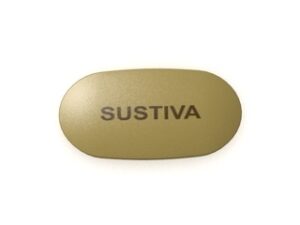
Rebetol (Ribavirin) – Comprehensive Patient Information for Australia
Basic Product Information
| International Nonproprietary Name (INN) | Ribavirin |
|---|---|
| Australia Brand Names | Rebetol, Copegus, Virazole |
| ATC Code | J05AP01 |
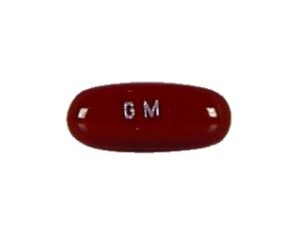
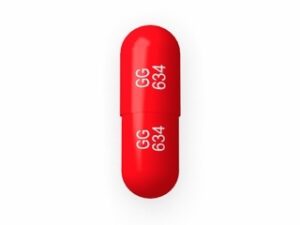
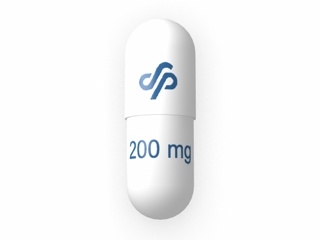
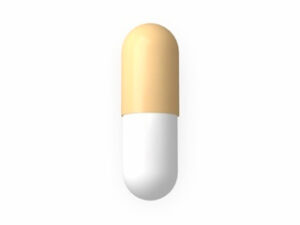
| Available Forms and Strengths | Capsules: 200 mg; Tablets: 200 mg, 400 mg; Oral Solution: 40 mg/mL |
| Manufacturers | Merck Sharp & Dohme (Australia) Pty Ltd, Roche Products Pty Ltd, others |
| Prescription Status | Prescription Only Medicine (Schedule 4, S4) |
Mechanism of Action
For Patients: Ribavirin (Rebetol) is an antiviral medicine that helps your body fight certain viral infections, especially chronic hepatitis C. It works by stopping the virus from growing inside your body, giving your immune system a better chance to clear the infection.
For Specialists: Ribavirin is a synthetic guanosine nucleoside analogue with broad-spectrum antiviral activity. It interferes with viral RNA synthesis and viral mRNA capping, potentially causing lethal mutagenesis in RNA viral genomes and inhibition of viral replication.
Pharmacokinetics
- Absorption: Ribavirin is well absorbed after oral administration (bioavailability ~45–65%). Maximal plasma concentrations are reached in approximately 1.5 hours.
- Distribution: It distributes widely to cells, particularly erythrocytes.
- Metabolism: Undergoes phosphorylation and degradation in the liver.
- Elimination: Primarily excreted by the kidneys. It has a long half-life (120–170 hours after multiple dosing).
- Duration of Action: Persists in the body for several weeks due to intracellular accumulation.
Use in Everyday Life & Best Practices
Rebetol is most commonly used in combination with peginterferon alfa or other direct-acting antivirals to treat chronic hepatitis C infection. It is not effective on its own and must be used as part of a treatment plan supervised by your specialist or GP.
- Typical Adult Dose: 800–1,200 mg daily, divided into two doses (morning and evening), depending on your weight and specific treatment plan.
- Paediatric Use: Ribavirin is sometimes used in children (based on weight), but this must always be supervised by a paediatric specialist.
- Tablet/Capsule: Take with a glass of water—do not crush or chew.
- Oral Solution: For patients who cannot swallow capsules or tablets, the solution is available.
- Missed Dose: Take as soon as you remember, but do not double up if it is nearly time for your next dose.
Dosing in the Morning vs Evening
Ribavirin is typically taken twice daily (morning and evening) to maintain steady blood levels and minimise side effects. Taking doses with a 12-hour interval helps balance the medicine in your system.
- Morning Dose: May be easier for patients who experience insomnia or sleep disturbances.
- Evening Dose: Helps keep levels stable but may cause some sleep-related side effects in sensitive individuals.
- Tip: Try to take your doses at the same time each day for best results. Set reminders or use a medication organiser if needed.
Taking with Food or on an Empty Stomach
Ribavirin is best taken with food, as this increases its absorption and can help reduce stomach upset.
- Meals do not need to be large or high-fat; a typical Australian diet is suitable (e.g., breakfast cereal, sandwich, or main meal).
- Taking on an empty stomach may reduce effectiveness and increase gastrointestinal side effects.
- If you have dietary restrictions, discuss with your healthcare team.
Interaction Warnings
Always inform your doctor or pharmacist about all medicines and supplements you are taking. Key interactions are listed below:
| Interacting Substance | Type of Interaction | Advice |
|---|---|---|
| Alcohol | Increases liver strain and reduces antiviral treatment effectiveness | Avoid during treatment |
| Didanosine | Increased risk of serious side effects (pancreatitis, lactic acidosis) | Contraindicated |
| Azathioprine | Risk of haematological toxicity | Use only with specialist advice |
| Warfarin | Possible alteration in anticoagulation effect | Monitor INR frequently |
| HIV medications (e.g., zidovudine) | Increased risk of anaemia | Monitor blood counts |
| Iron supplements | May worsen anaemia | Discuss with prescriber |
- Grapefruit and grapefruit juice are not known to interact, but always check with your pharmacist.
- Avoid herbal products unless cleared by your doctor.
- Check for interactions with vaccines prior to immunisation.
Indications
| Indication | Status | Notes |
|---|---|---|
| Chronic Hepatitis C (HCV) | Approved | Used with peginterferon alfa or direct-acting antivirals |
| Hepatitis C in Paediatrics | Approved (specialist supervision) | Weight-based dosing |
| Respiratory Syncytial Virus (RSV) in infants/children | Off-label, rarely used | Reserved for severe cases in hospital settings |
| Other viral infections (Lassa fever, etc.) | Experimental/off-label | Specialist/compassionate use only |
Dosing According to Clinical Indications
| Patient Group | Indication | Typical Dose | Duration |
|---|---|---|---|
| Adult (weight <75 kg) | Chronic HCV (with peginterferon) | 1,000 mg/day (400 mg AM; 600 mg PM) | 24–48 weeks |
| Adult (weight ≥75 kg) | Chronic HCV (with peginterferon) | 1,200 mg/day (600 mg AM; 600 mg PM) | 24–48 weeks |
| Paediatric | Chronic HCV | ~15 mg/kg/day (divided in 2 doses) | 24–48 weeks |
| Elderly | Chronic HCV | Individualised, monitor renal function | 24–48 weeks |
- Renal impairment requires dose reduction—regular monitoring essential.
- Always follow your healthcare provider’s tailored plan.
Safety Profile & Side Effects
Like all medicines, Rebetol can cause side effects, though not everyone will experience them. Most are manageable with medical support.
| Frequency | Side Effect | Advice |
|---|---|---|
| Very Common | Anaemia, fatigue, headache, nausea, insomnia, cough | Inform your doctor if severe or persistent |
| Common | Rash, muscle aches, fever, appetite loss, mood changes | May need dose adjustment; report mood symptoms |
| Uncommon/Rare | Heart rhythm problems, severe depression, allergic reactions | Seek urgent medical attention |
| Warnings | Teratogenic (harmful in pregnancy); do not use in pregnancy or if planning pregnancy; birth control (men and women) required during and for 6 months after treatment | Mandatory pregnancy testing and contraception |
Guidelines for Proper Use
- Always take exactly as prescribed—do not stop suddenly without consulting your doctor.
- If you experience persistent breathlessness, chest pain, or mood changes, contact your healthcare provider.
- Avoid becoming dehydrated, particularly during Australian summers.
- Undergo regular blood tests to monitor blood counts and kidney/liver function.
- Do not donate blood during or for at least 6 months after taking ribavirin.
- Use effective contraception during and for 6 months after therapy (both males and females).
- Keep all medicines out of reach of children and in the original packaging.
- If unsure about any aspect of your treatment, ask your pharmacist or healthcare provider.
Alternative Treatment Options
- Sofosbuvir, Ledipasvir, Daclatasvir, Velpatasvir, Glecaprevir/Pibrentasvir: Direct-acting antivirals (DAAs)—generally more effective, shorter courses, much better tolerated than ribavirin-based regimens. Widely reimbursed by the Pharmaceutical Benefits Scheme (PBS) in Australia.
- Peginterferon Alfa: Used with ribavirin in some older regimens; more side effects.
- Pros of DAAs: Higher cure rates (>95%), safer profiles, less monitoring.
- Cons of DAAs: Cost (though subsidised on PBS), some genotype limitations, possible need for ribavirin “add-on” in certain resistant or difficult-to-treat cases.
- For RSV and rare uses—consult with a paediatric infectious diseases specialist.
Legal, Registration, and Reimbursement Status in Australia
- Approval: Registered with the Therapeutic Goods Administration (TGA) for use with other antivirals in chronic HCV.
- Reimbursement: Ribavirin combinations are subsidised under the PBS for eligible chronic hepatitis C treatment courses. Off-label use is not routinely reimbursed and may require prior authorisation or compassionate access programs.
- Prescription Requirements: Schedule 4 (S4)—Prescription Only Medicine.
- Consult your gastroenterologist, hepatologist, or infectious diseases specialist for access and ongoing prescriptions.
Latest Research / Clinical Guidance (2022–2025)
- Direct-acting antivirals (DAAs) are now preferred first-line therapy for hepatitis C, with ribavirin reserved for difficult-to-treat cases or resistance (Australian Consensus Statement on the Management of Hepatitis C, 2023).
- Pregnancy prevention measures around ribavirin use remain central, given teratogenicity.
- Combination regimens with ribavirin may still be used for genotypes with prior DAA failure or evidence of resistance (Liver Int 2024;44(2):225–36).
- No evidence supports ribavirin alone or outside specialist-directed combination use for hepatitis C in Australia (TGA, PBS guidance 2024–25).
Availability and Delivery
Rebetol and generic ribavirin are supplied in various pack sizes, usually in line with weekly or monthly doses. Availability may vary by pharmacy and wholesaler.
| Pack Size | Typical Use | Indicative Price (PBS co-payment) | Delivery Time (metro/regional) |
|---|---|---|---|
| 140 capsules (200 mg) | 2-week supply @ 1,000 mg/day | $30–$42 (concession/general) | In stock or 1–2 days (Sydney, Melbourne, Brisbane); up to 3 days (regional/rural) |
| 224 tablets (200 mg) | ~1 month supply | $42–$60 | 1–3 days |
| Oral solution, 160 mL | For paediatric or special need | $40–$65 | Order may take up to 1 week in regional areas |
Note: Prices subject to change based on PBS status; private scripts may be higher. Always check with your pharmacy for current stock and delivery timelines.
FAQ – Most Common Patient Questions
- Can I drink alcohol while taking Rebetol?
No, alcohol is not recommended, as it can worsen liver function and reduce treatment effectiveness. - Will I need to change my diet?
No special diet is necessary, but taking Rebetol with your normal meals is important. Maintain a balanced, healthy Australian diet and stay hydrated. - How will I know if the medicine is working?
Your doctor will conduct regular blood tests (including viral load checks) during and after therapy to monitor your progress. - Is it safe during pregnancy or breastfeeding?
No. Rebetol is unsafe in pregnancy—effective contraception is mandatory during and for 6 months after use. Do not use while breastfeeding; discuss alternatives if needed. - What if I miss a dose?
Take your dose as soon as you remember unless it’s nearly time for your next dose—don’t double up. If you frequently miss doses, talk to your pharmacist for tips on keeping on track.