

Lamprene (Clofazimine): Comprehensive Patient Information for Australia
Basic Product Information
| International Non-proprietary Name (INN) | Clofazimine |
|---|---|
| Australia Brand Names | Lamprene |
| ATC Code | J04BA01 |
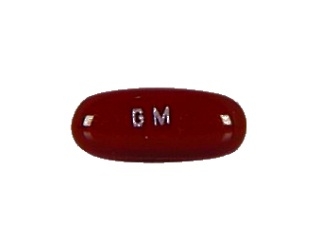
| Available Forms & Strengths | Soft gelatin capsules: 50 mg, 100 mg |
| Manufacturers | Novartis Pharmaceuticals, various generic manufacturers |
| Prescription Status | Prescription-only medicine (S4). Access is usually through specialist clinics (e.g. infectious diseases, dermatology, or via hospital pharmacies). |
Mechanism of Action
For Patients: Clofazimine works by stopping the growth of certain bacteria that cause infections like leprosy. It helps your immune system fight these infections by interfering with the way bacteria make essential proteins.
For Specialists: Clofazimine is a riminophenazine dye exhibiting antimycobacterial and anti-inflammatory properties. Its mechanism is primarily through the binding of bacterial DNA, inhibiting template function, and disrupting phospholipase A2. It also induces the generation of reactive oxygen species within bacterial cells, contributing to its bacteriostatic and bactericidal actions, especially against Mycobacterium leprae and Mycobacterium avium complex.
Pharmacokinetics
- Absorption: Clofazimine is variably absorbed orally (45–62%), improved by food, especially fatty meals common in Australian diets.
- Distribution: Extensively distributed in body tissues, particularly adipose tissue and reticuloendothelial cells.
- Metabolism: Hepatic (liver metabolism) with slow and incomplete metabolism.
- Elimination: Via bile and faeces (major), with minimal renal excretion.
- Duration of Action: Prolonged half-life (70 days on average); pigment can remain in tissues for months after cessation.
Use in Everyday Life & Best Practices (Australia)
- Typical Doses:
- Leprosy (multibacillary): 50 mg daily plus 300 mg once monthly (usually combined with dapsone and rifampicin).
- Nontuberculous mycobacterial infections (off-label): 50–100 mg daily depending on individual response.
- Administration: Swallow capsules whole with a full glass of water. Do not chew or break open.
- Duration: Treatment courses are long—often 6–12 months, or until your specialist advises stopping.
- Storage: Keep below 30°C, out of direct sunlight, and out of reach of children.
- Appointments: Regular hospital or specialist clinic reviews are required during treatment.
Dosing: Morning vs. Evening
- There is no strict rule; however, taking your dose at the same time each day helps maintain blood levels and reduces the risk of missed doses.
- Morning: May be preferred for better absorption when taken with breakfast.
- Evening: Suitable if it fits better with your routine, but always combine with food for best results.
- Tip: Set an alarm or use a medication reminder app to promote regular dosing.
Taking with Food or on an Empty Stomach
- With Food: Strongly recommended! Taking with a meal, especially one containing some fats (e.g., eggs, avocado, meat, or dairy—in line with typical Australian meals), improves absorption.
- Empty Stomach: Leads to significantly less absorption and reduced effectiveness.
- Example: Try to take it with breakfast or dinner for best results.
Interaction Warnings
| Interacting Substance | Effect | Advice |
|---|---|---|
| Food (fatty meals) | Increased absorption | Take with food, preferably main meals |
| Alcohol | May worsen liver side effects | Limit alcohol; avoid binge drinking |
| Antacids | Reduce effectiveness | Avoid or separate by 2 hours |
| Other TB/Leprosy drugs (e.g., rifampicin, dapsone) | Potential for drug interactions | Specialist monitoring required; do not alter medication plan |
| CYP450 inducers/inhibitors | Alter plasma levels | Inform your doctor about all medicines |
| QT-prolonging medications | Risk of heart rhythm problems | Regular ECGs may be required |
Indications
| Indication | Status in Australia | Notes |
|---|---|---|
| Leprosy (multibacillary) | Registered | First-line; in combination therapy |
| Erythema nodosum leprosum (ENL) | Registered | Anti-inflammatory for leprosy reactions |
| Nontuberculous mycobacterial (NTM) infections | Off-label | Use in specialist practice |
| Other rare mycobacterial infections | Off-label | Considered for salvage therapy |
| Cutaneous granulomatous diseases | Off-label | Rare, evaluated case-by-case |
Dosing According to Clinical Indications
| Indication | Adults | Paediatric | Elderly |
|---|---|---|---|
| Leprosy (multibacillary) | 50 mg daily + 300 mg once monthly | 1 mg/kg daily (max 50 mg) + 6 mg/kg monthly (max 300 mg) | Same as adults; monitor for adverse effects |
| ENL | 100–300 mg daily (short-term, tailored) | Under paediatrician care, adjusted by weight | Lower end of adult dosing; close monitoring |
| NTM Infections | 100 mg daily (range: 50–100 mg) | Uncommon; specialist advice only | As for adults; adjust for comorbidities |
Note: Always follow your specialist's instructions, as dosages may be individually tailored.
Safety Profile & Side Effects
- Common Side Effects (may affect 1 in 10):
- Darkening of skin, conjunctiva, or body fluids (red-brown colour)
- Gastrointestinal upset: abdominal pain, nausea, vomiting, diarrhoea
- Loss of appetite
- Dry or itchy skin
- Rare/Serious Side Effects:
- Severe abdominal pain, persistent vomiting or diarrhoea (seek medical advice; may indicate bowel complications)
- Allergic reactions: rash, swelling, difficulty breathing (stop medication and seek urgent care)
- QT prolongation (heart rhythm disturbance; very rare, more likely with other risk factors)
- Splenic infarction (very rare, mainly with long-term high doses)
- Warnings: Pigmentation usually fades after several months, but in rare cases may persist. Serious gastrointestinal side effects are dose- and duration-related.
- Monitoring: Regular blood tests and specialist reviews are required.
Guidelines for Proper Use
- Take Lamprene at the same time each day, preferably with a main meal containing fat for best absorption.
- Do not stop taking Lamprene suddenly. Always follow your doctor's instructions, even if you feel well or symptoms improve.
- Keep all clinic and pathology appointments.
- If you miss a dose, take it as soon as possible. If it is close to your next dose, skip the missed dose—do not double up.
- Carry a list of all your medications and show this to pharmacists or doctors, especially before surgeries or when starting new medicines.
- Inform your care team if you notice severe stomach pain, dark urine, palpitations, or yellowing of your eyes/skin.
- Lamprene may stain your clothing, contact lenses, or household surfaces. Wash hands after use and be careful with handling capsules.
Alternative Treatment Options (PBS-Listed Comparisons)
- Dapsone: Often used together with Lamprene. Dapsone is effective for leprosy but may cause blood and skin side effects.
- Rifampicin: Another cornerstone anti-leprosy drug, very effective but requires careful monitoring for liver health.
- Minocycline/Clarithromycin: Alternative agents in multi-drug resistant or intolerant cases.
- Comparative Overview:
- Lamprene: Added anti-inflammatory role in leprosy reactions. Unique pigmentation side effect.
- Dapsone/Rifampicin: Higher incidence of specific organ toxicity; more frequent drug-drug interactions.
- Minocycline/Clarithromycin: Typically used in NTM; alternative for intolerances or resistance.
Legal, Registration, and Reimbursement Status in Australia
- Regulatory status: S4 (Prescription Only) medicine on the Australian Register of Therapeutic Goods (ARTG), TGA-approved for leprosy and leprosy reactions.
- Pharmaceutical Benefits Scheme (PBS): Lamprene is listed for leprosy as part of combination therapy.
- Hospital Use: Often provided free or at reduced cost via public hospital specialist clinics (funded by state health networks).
- Legal Off-label Use: Allowed for other mycobacterial infections in line with good specialist practice and local policies.
Latest Research & Clinical Guidance (2022–2025)
Leprosy: Current Australian and international guidelines (Australian Society of Infectious Diseases, 2023; WHO Guidelines 2022) continue to recommend multi-drug therapy (MDT) including clofazimine for all multibacillary leprosy cases, highlighting its anti-inflammatory benefits in controlling reactions.
Nontuberculous Mycobacterial (NTM) Disease: Updated expert consensus suggests clofazimine as a key agent for refractory or disseminated NTM disease (Kendall BA et al., Clin Microbiol Rev. 2024).
COVID-19 Links: Clofazimine was investigated for off-label COVID-19 usage (Freundlich W et al., 2022), but it is not recommended for routine COVID-19 care.
Special Populations: Recent reviews (Sawyer SM et al., Med J Aust. 2023) affirm safe use in children and the elderly when adjusted for weight and comorbidity.
Key Point: Continued specialist monitoring is critical due to risk of pigmentation and rare gastrointestinal toxicity.
Availability and Delivery
| Pack Size | Indicative Price (A$) | Typical Delivery Times |
|---|---|---|
| 50 mg x 100 capsules | $85–$120 (PBS co-pay available) | Sydney: 1–2 working days Melbourne: 1–2 working days Brisbane: 2–3 working days Perth: 3–5 working days Regional/remote: 3–7 working days |
| 100 mg x 30 capsules | $45–$65 (PBS co-pay available) | Same as above |
Availability is usually via hospital or specialty pharmacies. Please contact your specialist or hospital pharmacy for supply arrangements.
FAQ – Patient Questions and Answers
- Will Lamprene permanently stain my skin?
Most people will experience some pink, red, or brown discolouration of the skin, particularly with long-term use. This usually fades within months after stopping treatment, but rarely can persist longer. - What should I do if I miss a dose?
Take it as soon as you remember. If it is almost time for your next dose, skip the missed dose—do not double the next dose. - Can I drink alcohol while taking Lamprene?
Light to moderate alcohol is generally safe for most adults, but avoid excessive drinking as both alcohol and Lamprene can affect the liver. - Can I take Lamprene with other antibiotics?
Yes, Lamprene is almost always used as part of a combination regimen. Always inform your doctor and pharmacist about all other medicines you are taking. - Is Lamprene safe in pregnancy or breastfeeding?
Clofazimine may be used in pregnancy if indicated, with specialist advice. It is excreted in breast milk, and decisions should be made with your medical team.
Always consult your Australian healthcare provider or pharmacist for personal advice about Lamprene or any medicine. For emergency or serious side effects, call 000 or visit the nearest emergency department.