Chloroquine (Chloroquine Phosphate): Australia Patient Guide
Basic Product Information
| International Non-Proprietary Name (INN) | Chloroquine |
|---|---|
| Common Australia Brand Names | Aralen® (formerly available), Plaquenil® (Hydroxychloroquine, related agent) |
| ATC Code | P01BA01 |
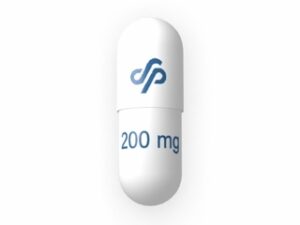
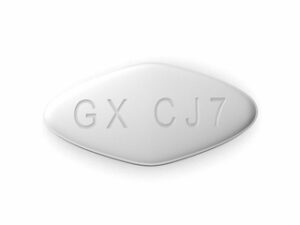
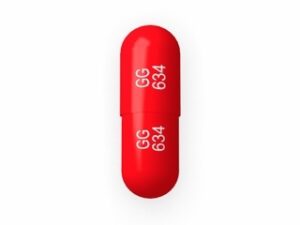
| Available Forms & Strengths | Tablets: 250 mg, 500 mg (as chloroquine phosphate)* *Currently not widely available in Australia; hydroxychloroquine may be considered as an alternative for many indications. |
| Manufacturers | Various international pharmaceutical companies (supply in Australia is limited; check with pharmacy) |
| Prescription Status | Prescription Only Medicine (S4 – Prescription Only, Australia) |
Note: In Australia, chloroquine is rarely prescribed and largely supplanted by hydroxychloroquine for most clinical uses. Chloroquine may still be available through special access pathways for specific conditions and after specialist assessment.
Mechanism of Action
- For Patients: Chloroquine works by interfering with the growth and survival of certain parasites (like those causing malaria) and, to a lesser extent, inflammation processes in the body. This helps prevent or treat infection and sometimes helps manage autoimmune conditions.
- For Specialists: Chloroquine concentrates in parasitised erythrocytes and inhibits heme polymerase, leading to the accumulation of toxic heme and parasite death. It also inhibits lysosomal activity, influences antigen presentation, and exerts mild immunomodulatory effects, making it a consideration in certain autoimmune conditions.
Pharmacokinetics
- Absorption: Well absorbed orally, with peak plasma levels reached in 1–6 hours after dosing.
- Metabolism: Partially metabolised in the liver through CYP2C8 and CYP3A4 enzymes.
- Elimination: Mostly excreted through urine; can be detected in the body for weeks after a single dose due to tissue binding.
- Duration of Action: Up to 3–4 weeks effective duration after stopping therapy, reflecting its long half-life (1–2 months).
Use in Everyday Life & Best Practices
Typical Doses:
- Malaria Prevention: Start 1–2 weeks before entering a malaria-risk area, continue weekly during stay, and 4 weeks after leaving.
- Malaria Treatment: Higher doses, usually for a brief period (per infectious diseases specialist).
- Autoimmune Conditions: Less commonly used, typically on a daily basis. Hydroxychloroquine is usually preferred in Australia.
Dosing in the Morning vs Evening
- Morning Dosing: May reduce chance of upsetting your sleep (in rare cases, chloroquine can cause insomnia).
- Evening Dosing: Some patients find evening dosing helps to manage mild, transient nausea.
- Tip: Take at the same time each day for best effect and to maintain even blood drug levels.
Taking with Food or On an Empty Stomach
- Chloroquine can be taken with food or a glass of milk to reduce stomach upset, which is quite common early in therapy.
- Taking it on an empty stomach may increase the chance of digestive side effects (nausea, cramps).
- With traditional English/Australia diets, simply take with a normal meal or a light breakfast.
Interaction Warnings
| Type | Interacts With | What to Watch For / Advice |
|---|---|---|
| Food | High-fat meals | May alter absorption rate; generally not a problem if taken with normal meals. |
| Alcohol | All forms | May increase risk of liver toxicity; moderate or avoid alcohol on therapy. |
| Medications | Antacids, kaolin, cimetidine, digoxin, antiepileptics, some antibiotics, other antimalarials | Take chloroquine at least 2 hours apart from antacids; some medicines may increase risk of heart rhythm problems—check with your doctor before starting new medicines. |
| Herbal Supplements | St. John’s Wort, grapeseed extracts | Potential interference with drug metabolism. |
Indications
| Official Indications | Off-Label Uses (Australia and International) |
|---|---|
|
|
Dosing According to Clinical Indications
| Indication | Adults | Paediatric | Elderly |
|---|---|---|---|
| Malaria Prophylaxis | 500 mg (300 mg base) once weekly, start 1–2 weeks prior to exposure | 5 mg/kg base (maximum 300 mg base) once weekly | As for adults; consider renal/liver function adjustments |
| Malaria Treatment | 1,000 mg immediately, then 500 mg after 6–8 hrs, then 500 mg daily for 2 days (total 2.5 g) | 10 mg/kg base initially, then 5 mg/kg after 6–8 hrs, then once daily for 2 days | As for adults; monitor closely for toxicity |
| Autoimmune Disease* | Usually 250–500 mg daily (specialist discretion) | Dose individually, avoid in very young; rarely first-line | As above, but with increased monitoring |
*Hydroxychloroquine is usually preferred in Australia.
Safety Profile & Side Effects
- Common: Stomach upset (nausea, diarrhoea), headache, dizziness, itching, blurred vision (usually temporary)
- Occasional: Skin rash, mild hair loss, changes in mood (nervousness, irritability)
- Rare but Serious: Retinal or visual changes (long-term use), muscle weakness, heart rhythm problems (QT prolongation), severe allergic reactions, low platelets, liver effects
Guidelines for Proper Use
- Always use chloroquine exactly as your doctor or pharmacist advises.
- Preferably take tablets whole, with food or a glass of milk.
- Do not crush unless advised for children with swallowing difficulties.
- If you miss a dose, take it as soon as remembered; if nearly time for next dose, skip missed dose—do not double doses.
- Report any visual or hearing changes, unusual bruising, severe rash, or signs of infection to your healthcare provider immediately.
- Keep regular appointments for monitoring if on long-term therapy; annual eye exams are recommended for extended use.
- Carry proof of prescription and travel documents if carrying chloroquine when travelling internationally.
- Store at room temperature, out of reach of children.
Alternative Treatment Options
- Hydroxychloroquine (Plaquenil®): Preferred for autoimmune diseases; fewer severe side effects, better tolerance (subsidised under PBS for approved indications).
- Mefloquine: Used for malaria prevention in resistant regions; not suitable for some patients due to neuropsychiatric side effects.
- Atovaquone-proguanil: Effective for travel to areas with chloroquine-resistant malaria; generally well tolerated; more expensive; also listed on PBS for some situations.
- Doxycycline: Alternative when other antimalarials are contraindicated; sun sensitivity possible; not for children under 8 or pregnant women.
- Artemisinin-based therapies: Standard of care for malaria treatment (not prevention); requires specialist or hospital prescription.
Legal, Registration, and Reimbursement Status in Australia
- Legal Status: Schedule 4 medication—available by prescription only.
- Registration: Registered by the Therapeutic Goods Administration (TGA); supply is currently limited and may only be possible via Special Access Scheme (SAS) or hospital pharmacy.
- Reimbursement: Not routinely subsidised under the Pharmaceutical Benefits Scheme (PBS); related medicines (hydroxychloroquine) are subsidised for certain indications.
- Travel Restrictions: Carry documentation if travelling with this or related medicines.
Latest Research & Clinical Guidance (2022–2025)
- Recent Australian and international guidelines recommend against routine use of chloroquine for COVID-19, as studies have not shown benefit and risks can be considerable (see: World Health Organization, Australian Government Department of Health, 2023).
- Ongoing research confirms the role of chloroquine in select malaria cases, but increased resistance globally has meant atovaquone-proguanil, doxycycline, or mefloquine are usually recommended for most Australian travellers (Australian Therapeutic Guidelines: Antibiotic, 2024).
- For autoimmune diseases, hydroxychloroquine remains first-line; chloroquine is used when hydroxychloroquine is unavailable or not tolerated.
- Regular eye exams are stressed for any long-term users due to risk of irreversible retinal toxicity even at standard doses.
Availability and Delivery (Australia)
| Popular Pack Sizes | Indicative Price* | Est. Delivery (Business Days) |
|---|---|---|
| 30 tablets / 250 mg | $20–$40 | Sydney: 1–2, Melbourne: 1–2, Brisbane: 2–3, Perth: 3–5, Adelaide: 2–3 |
| 100 tablets / 250 mg | $60–$110 | Sydney: 1–2, Melbourne: 1–2, Brisbane: 2–3, Perth: 3–5, Adelaide: 2–3 |
*Actual prices depend on supply source, as availability is limited. Check with local/pharmacy supplier for details.
Frequently Asked Questions (FAQ)
- 1. Is chloroquine safe to use for children or during pregnancy?
- Chloroquine can be used in children for malaria when dosage is carefully adjusted by specialist advice. It may be used in pregnancy if the benefits outweigh the risks; always consult your doctor before using in these groups.
- 2. What should I do if I miss a dose?
- Take your next dose as soon as you remember. If it is close to your next scheduled dose, skip the missed one and continue as normal. Do not take two doses at once.
- 3. Do I need eye checks while taking chloroquine?
- Yes, regular eye exams before and during therapy are important, especially for long-term users, even if you have no vision problems.
- 4. What foods or supplements should I avoid while on chloroquine?
- Avoid taking antacids or certain mineral supplements (iron, zinc) within 2 hours of chloroquine. Limit alcohol and consult your pharmacist before starting new supplements or herbal remedies.
- 5. Can chloroquine be used for COVID-19?
- No, Australian and international authorities do not recommend chloroquine or hydroxychloroquine for prevention or treatment of COVID-19 due to lack of efficacy and potential for harm.