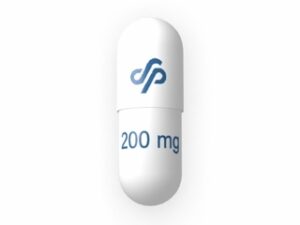


Amantadine: Comprehensive Information for Patients in Australia
Basic Product Information
| International Non-proprietary Name (INN) | Amantadine |
|---|---|
| Common Australian Brand Names | Symmetrel®, Endantadine® (brand availability may vary) |
| ATC Code | N04BB—Adamantane derivatives |
| Available Forms & Strengths | Capsules (100 mg), Solution (10 mg/mL) |
| Manufacturers | Viatris, Apotex, Sandoz, other Australian-registered suppliers |
| Prescription Status | Prescription Only Medicine (Schedule 4, S4) |
Amantadine is a prescription medicine in Australia. It is used in the treatment of Parkinson’s disease, certain movement disorders, and sometimes for preventing or treating some viral infections. Always use this medicine under the guidance of your doctor or pharmacist.
How Does Amantadine Work?
- For Patients: Amantadine helps the brain maintain the right balance of natural substances (dopamine) that control movement and coordination. It can improve symptoms such as stiffness and shaking in conditions like Parkinson’s disease.
- For Specialists: Amantadine acts as a weak, non-competitive NMDA receptor antagonist with potentiation of dopaminergic transmission via inhibition of dopamine reuptake. It also has anticholinergic activity and, at high doses, a mild antiviral effect against some influenza A strains (though this use is rare now).
How Amantadine Moves Through the Body (Pharmacokinetics)
- Absorption: Amantadine is well absorbed from the gut after oral administration. Peak blood concentrations are reached within 2–4 hours.
- Metabolism: It is not significantly broken down by the liver, remaining largely unchanged in the blood.
- Elimination: Most of the medicine is removed through the kidneys. If you have kidney disease, discuss dosing adjustments with your healthcare provider.
- Duration of action: The effects last approximately 8–12 hours following each dose.
Using Amantadine in Everyday Life
Amantadine is most commonly used to assist with movement difficulties in Parkinson’s disease and drug-induced movement disorders. Your healthcare team will tailor your dose to your needs and condition. General guidance includes:
- Take your dose at the same time(s) each day for best results.
- Do not stop taking Amantadine without speaking to your doctor—sudden discontinuation can worsen symptoms.
- If you forget a dose, take it as soon as you remember, but skip it if it’s time for the next dose—never double up.
- Store at room temperature, away from moisture and direct sunlight.
- Tell your GP and pharmacist about all medications you take, including non-prescription and herbal products.
Morning vs. Evening Dosing
- Morning: Most people are advised to take Amantadine in the morning because it may cause trouble sleeping (insomnia) or vivid dreams if taken late in the day.
- Evening/night: Taking it in the evening is usually avoided unless specifically directed by your doctor.
- Tip: If you require a second daily dose, take it in the early afternoon to minimise sleep disturbances.
Taking Amantadine with Food or on an Empty Stomach
- Food has little effect on Amantadine absorption, but it’s often easier on the stomach if taken with or after a meal, particularly for those who experience nausea.
- There are no specific food restrictions; you can maintain your usual English diet.
- If you feel queasy, try taking Amantadine with a light snack (e.g., toast, fruit).
Interaction Warnings
Some medicines and foods can interact with Amantadine. It is important to inform your doctor and pharmacist about everything you are taking. Notable interactions include:
| Substance/Drug | Interaction | Advice |
|---|---|---|
| Alcohol | Increases dizziness, drowsiness, confusion | Avoid or limit alcohol while taking Amantadine |
| Anticholinergic drugs (e.g. benztropine, oxybutynin) | Increased side effects (dry mouth, blurred vision, constipation) | Monitor closely; inform your doctor |
| Diuretics (e.g. hydrochlorothiazide) | May reduce clearance; increases risk of toxicity | Inform your doctor/pharmacist |
| Other Parkinson’s medicines (levodopa, dopamine agonists) | Potenial for increased side effects (e.g., confusion, hallucinations) | Doctor will tailor your therapy accordingly |
| Antipsychotics | Can reduce effectiveness of both Amantadine and the antipsychotic | Discuss benefits and risks with your doctor |
| Influenza vaccines | No significant interaction; previous antiviral use now rare | Can be used if required |
Indications for Use
| Condition | Status | Description |
|---|---|---|
| Parkinson’s disease | Approved | For relief of rigidity, tremor, and bradykinesia (slowness of movement) |
| Drug-induced extrapyramidal reactions | Approved | To counteract movement disorders caused by some antipsychotic medications |
| Fatigue in multiple sclerosis | Off-label | Sometimes used to help manage fatigue symptoms (specialist discretion) |
| Influenza A (preventive/treatment) | Off-label; not commonly recommended | Replaced by other antivirals due to resistance |
Dosing by Clinical Indication
| Indication | Adults | Elderly | Children |
|---|---|---|---|
| Parkinson’s disease | 100 mg once or twice daily, up to 300 mg/day as advised | Lower doses preferred; start with 100 mg daily | Not recommended under age 18 without specialist advice |
| Drug-induced movement disorders | 100–200 mg daily in divided doses | Start low, adjust slowly | Specialist use only |
| Fatigue in MS (off-label) | 100 mg once or twice daily (specialist guidance) | Cautious use | Not routinely used |
Safety Profile and Side Effects
Like all medicines, Amantadine can cause side effects, although not everyone gets them. If you develop any severe or worrying symptoms, contact your doctor immediately.
| Type | Side Effects |
|---|---|
| Common | Nausea, dry mouth, dizziness, insomnia, swelling (especially of the ankles), nervousness, vivid dreams |
| Uncommon | Blurred vision, rash, low blood pressure when standing |
| Rare but serious | Confusion, hallucinations, convulsions, heart rhythm changes, livedo reticularis (a net-like rash on the skin) |
| Warnings | Avoid in severe kidney disease. Use caution in epilepsy, history of heart failure, or psychiatric conditions. Increase falls risk in elderly. |
Guidelines for Proper Use: Practical Tips for Australia
- Take exactly as prescribed, at the same time each day.
- If you experience side effects, talk with your pharmacist or GP. Dose adjustments often resolve mild symptoms.
- Avoid driving or operating machinery if you feel dizzy or drowsy.
- Return unused or expired medication to your pharmacy for safe disposal.
- You can continue your usual diet and physical activities unless told otherwise by your doctor.
- Stay well hydrated, especially during hot Australian weather, to avoid dehydration.
Alternative Treatment Options (PBS-Listed/Available in Australia)
- Levodopa/Carbidopa (Madopar®, Sinemet®): Often first-choice in Parkinson’s disease; more effective for severe symptoms but can cause long-term movement complications.
- Dopamine agonists (pramipexole, ropinirole): Useful in early disease or as add-on.
- MAO-B Inhibitors (selegiline, rasagiline): Mild-to-moderate Parkinson’s; helps with movement and delays need for Levodopa.
- Anticholinergics (trihexyphenidyl): For specific tremor symptoms; more side effects in older adults.
- Amantadine: Useful for people with intolerable dyskinesias or when other treatments have not been effective alone.
Pros and cons of each treatment should be discussed with your neurologist. Most options are listed on the Pharmaceutical Benefits Scheme (PBS) for eligible conditions, reducing patient costs.
Legal, Registration, and Reimbursement Status in Australia
- Registered with the Therapeutic Goods Administration (TGA)
- Schedule 4 medicine: prescription only
- PBS (Pharmaceutical Benefits Scheme): reimbursed for Parkinson’s disease and select indications, subject to restrictions
- Not available over the counter; requires ongoing doctor supervision
Latest Research and Clinical Guidance (2022–2025)
- 2022 and 2023 updates to the Australian Clinical Guidelines for Parkinson’s Disease support Amantadine for treatment of dyskinesia and as adjunct in fluctuating symptoms (Hely et al., Movement Disorders Society of Australia, 2023).
- Recent research (Miyazaki et al., 2023, J Neurol Sci) reviewed benefits in reducing levodopa-induced dyskinesias, with tolerability similar to past decades.
- Use for influenza is now obsolete in mainstream clinical practice due to viral resistance (Australian Government, Department of Health, 2024).
- Careful selection and dose adjustment in renal impairment remains critical (Perry et al., Aust Prescr, 2024).
Availability and Delivery
| Form/Pack Size | Typical RRP (AUD) | Delivery Times—Sydney | Delivery Times—Melbourne | Delivery Times—Brisbane | Delivery Times—Perth |
|---|---|---|---|---|---|
| 100 mg, 28 capsules | $18–$32 (PBS co-pay applies) | Next business day | 1–2 days | 1–2 days | 2–4 days |
| 100 mg, 56 capsules | $34–$58 | Next business day | 1–2 days | 1–2 days | 2–4 days |
| Solution (10 mg/mL, 100 mL) | $32–$50 | 1–2 days (special order) | 2–3 days | 2–3 days | 3–5 days |
Check with your local pharmacy for exact pricing. Most community pharmacies will arrange timely home delivery via express post or courier, especially for rural patients.
Frequently Asked Questions (FAQ)
- Can I drive while taking Amantadine?
Amantadine can cause dizziness or blurred vision in some people. If affected, do not drive or use machinery until you know how it affects you. - Is Amantadine safe during pregnancy or breastfeeding?
There’s limited data on safety in pregnancy and breastfeeding. Discuss risks and benefits with your doctor if you are pregnant, planning pregnancy, or breastfeeding. - I missed a dose—what should I do?
Take the missed dose as soon as you remember, unless it’s nearly time for your next dose. Do not double up; continue as normal the following day. - What if I get side effects?
Speak with your pharmacist or doctor. Mild symptoms often improve within a week or two. Seek urgent advice for confusion, hallucinations, or heart symptoms. - Can I stop taking Amantadine suddenly?
Do not stop without medical advice. Stopping suddenly can cause your symptoms to worsen or lead to serious health problems. Your doctor will guide you on how to reduce your dose safely if required.
This information is designed to support, but not replace, the relationship that exists between a patient and their healthcare professionals. For ongoing questions or concerns, speak directly with your GP, neurologist, or pharmacist.