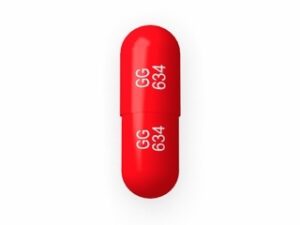
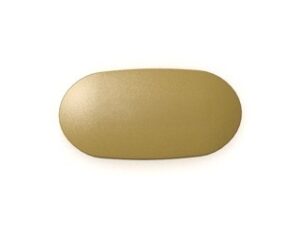
Copegus (Ribavirin) – Comprehensive Patient Guide (Australia)
Basic Product Information
| International Nonproprietary Name (INN) | Ribavirin |
|---|---|
| Australia Brand Names | Copegus, Rebetol, Ibavyr |
| ATC Code | J05AP01 |
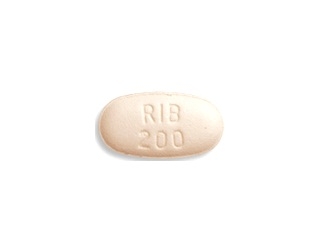
| Available Forms & Strengths | Tablets (200 mg), film-coated tablets (400 mg, 600 mg) |
| Manufacturers | Roche Products Pty Ltd, Mylan Health Pty Ltd |
| Prescription Status | Prescription only (S4), dispensed by Australian pharmacies upon a valid doctor’s script |
Mechanism of Action
Simple Terms
Ribavirin, known as Copegus, is a type of antiviral medicine. It works by blocking the growth and spread of certain viruses within the body, mainly those affecting the liver (especially hepatitis C virus, HCV).
For Specialists
Ribavirin is a synthetic nucleoside analogue. It disrupts viral replication by inhibiting viral RNA polymerase activity, promoting RNA mutagenesis, and modulating immune responses. This multi-faceted action reduces viral load in infected patients.
Pharmacokinetics
- Absorption: Well absorbed orally; peak plasma concentrations occur within 1.5 – 3 hours.
- Metabolism: Extensively metabolised in the liver through phosphorylation/dephosphorylation; minor renal metabolism.
- Elimination: Primarily renal, with about 61% excreted in urine over 30 days. Terminal half-life after multiple doses: 298 hours due to slow tissue clearance.
- Duration of Action: Persistent because of long half-life and accumulation in red blood cells.
Use in Everyday Life and Best Practices
Copegus is typically used as part of a combination therapy, most often with interferon alfa or peginterferon alfa, to treat chronic hepatitis C in adults and selected children. The tablets should be swallowed whole with water, not chewed or broken. Patients are advised to take doses at the same time(s) daily to maintain consistent blood levels.
- Typical Adult Dose: Usually 800–1,200 mg per day, split into two doses. Dosage may vary based on weight, genotype, and accompanying medications.
- Children & Adolescents: Dose depends on body weight. Only prescribed by specialists experienced in viral hepatitis care.
Therapy is usually prescribed for 24 to 48 weeks, depending on the strain and individual response. Treatment decisions should always be made together with your hepatologist or infectious diseases specialist.
Dosing: Morning vs Evening
- Morning Dosing: May reduce risk of insomnia (since ribavirin doesn’t have stimulant effects, but accompanying interferon can cause sleep disturbances in some patients). You’re less likely to forget your dose in the morning.
- Evening Dosing: Suitable for those who have morning stomach upset or prefer to combine it with dinner.
- Tips for Regularity: Use a pillbox, reminders, or apps. Try to take at evenly spaced times, e.g., with breakfast and with dinner. Missing doses reduces the overall effectiveness of therapy.
Taking with Food or on an Empty Stomach
Best Practice: Take with food (preferably with breakfast and/or dinner). This increases absorption and may reduce stomach upset. In Australia, consider pairing the tablet with typical meals such as toast, fruit, Weet-Bix, lunch salad, or dinner proteins. Avoid taking on an empty stomach, as this may lead to a drop in effectiveness and more side effects (e.g., nausea).
Interaction Warnings
| Interaction Category | Recommendations in Australia |
|---|---|
| Alcohol | Must avoid, as it weakens liver function and counteracts treatment. |
| Food | Take with food to increase absorption and minimise nausea. |
| Common Medications |
|
| Herbal Supplements | Discuss with your GP or pharmacist before use, especially St John’s Wort (may interact with efficacy). |
Indications (When Is It Used?)
| Condition | Therapy Context |
|---|---|
| Chronic hepatitis C (adults) | As part of combination therapy with peginterferon alfa |
| Chronic hepatitis C (children aged 3+) | Combination with interferon alfa |
| Chronic hepatitis B (off-label/rare) | Case-by-case basis; consult specialist |
| Viral haemorrhagic fevers (off-label, inpatient only) | Supervised by infectious diseases units |
Dosing According to Clinical Indication
| Patient Group | Indication | Typical Dose | Duration |
|---|---|---|---|
| Adults (weight <75 kg) | Chronic HCV | 1,000 mg/day (2 × 400 mg + 1 × 200 mg) | 24–48 weeks |
| Adults (weight ≥75 kg) | Chronic HCV | 1,200 mg/day (2 × 400 mg + 2 × 200 mg) | 24–48 weeks |
| Children & adolescents | Chronic HCV | 15 mg/kg/day, split into 2 doses | 24–48 weeks |
| Elderly (≥65 yrs) | Chronic HCV | Same as adults, unless reduced kidney function (doctor will adjust) | 24–48 weeks |
Safety Profile & Side Effects
| Frequency | Side Effects |
|---|---|
| Very Common | Anaemia (low red blood cells), tiredness, cough, headache, fever, nausea, loss of appetite, insomnia, rash |
| Common | Mood changes, weight loss, shortness of breath, joint pain, hair loss, itchy skin |
| Rare but Serious | Severe anaemia, suicidal thoughts, chest pain, severe skin reactions, pancreatitis, allergic reaction (swelling, hives, breathing difficulty) |
Warnings: Not recommended in pregnancy (risk of birth defects), breastfeeding, or in men whose partners are trying to conceive. Use reliable contraception during and for at least 6 months after treatment ends.
Guidelines for Proper Use – Advice for Australia
- Take tablets whole, with a glass of water, together with food.
- Do not suddenly stop treatment; consult your prescriber if side effects occur.
- Regular blood tests are essential throughout therapy (monitored by your GP or hepatology clinic).
- Consult your pharmacist or GP before taking other medicines, including vitamins and over-the-counter products.
- Keep all medicines out of reach of children.
Alternative Treatment Options (Australia)
- Direct-Acting Antivirals (DAAs): Such as sofosbuvir (Sovaldi), ledipasvir/sofosbuvir (Harvoni), glecaprevir/pibrentasvir (Maviret), available on the PBS for most genotypes. These new-generation medicines are more effective, shorter courses (8–12 weeks) and have fewer side effects than interferon/ribavirin regimens.
- Peginterferon Alfa Monotherapy: Rarely used now except for niche circumstances, as it is less effective alone.
- Supportive Therapy: For those not suitable for antivirals, liver-supportive measures and symptom control may be used.
Pros & Cons
- Copegus: Used less often nowadays. May be chosen if DAAs are not suitable, available, or funded for a particular patient.
- DAAs: Higher cure rates, easier to tolerate, PBS subsidised, fewer interactions and restrictions.
- Interferon-based therapy: Sometimes needed for resistant cases or coinfection (e.g. hepatitis B/C), but higher side effect burden.
Legal, Registration and Reimbursement in Australia
- Registered by the Therapeutic Goods Administration (TGA) for use in Australia.
- Available by prescription only (Schedule 4).
- Reimbursed by the Pharmaceutical Benefits Scheme (PBS) for eligible hepatitis C indications, as part of approved regimens.
- Not available over the counter.
Recent Research & Clinical Guidance (2022–2025)
- Australian recommendations from the Gastroenterological Society of Australia (GESA, 2024) note that most patients with chronic HCV should be offered DAAs due to superior efficacy. Ribavirin is reserved for rare cases of DAA resistance or intolerance (GESA guidelines).
- Recent updates highlight the importance of contraception counselling and the use of ribavirin only under specialist supervision, due to teratogenic risk (MJA, 2023).
- International guidance (EASL/AASLD, 2022–2025) also recommends ribavirin in select genotype 3/other difficult-to-cure cases, and in patients with severe hepatic fibrosis or coinfection.
Availability and Delivery in Australia
| Common Pack Sizes | Indicative PBS Price* | Home Delivery Times |
|---|---|---|
| 140 tablets × 200 mg | $39.50 concessional / $120.30 general co-payment | Sydney: 1-2 days; Melbourne: 1-2 days; Brisbane: 2 days; Adelaide: 2 days; Perth: 3-5 days; regional/remote: 3-7 days |
| 56 tablets × 200 mg | $16.25 concessional / $49.50 general | Same as above |
*Prices depend on current PBS rates and patient eligibility.
FAQ – Your Questions Answered
- How long will I need to take Copegus?
Typically, treatment courses are 24–48 weeks, depending on your condition and accompanying medicines. Your specialist will advise according to your needs. - What should I do if I miss a dose?
Take the missed tablet as soon as you remember. If it’s nearly time for your next dose, skip the missed one. Do not double up. Inform your clinic if you miss more than a single dose. - Can Copegus be used during pregnancy?
Absolutely not. Copegus is unsafe in pregnancy and can cause birth defects. Effective contraception is necessary for both men and women during and for 6 months after therapy. - Can I drink alcohol while taking ribavirin?
No, it's best to avoid alcohol. It can worsen liver disease and make treatment less effective. - Are there newer, simpler treatments for hepatitis C?
Yes. Direct-acting antivirals (DAAs) are now the standard of care for hepatitis C in Australia, with shorter courses and far fewer side effects. Ribavirin combinations are reserved for select cases.
Summary
Copegus (ribavirin) is an antiviral medicine mainly used as part of combination treatments for chronic hepatitis C in Australia, generally under specialist care. With the advent of newer, simpler cures, its use is now more limited, but it continues to play a role in complex cases. Always follow your prescriber’s instructions, attend monitoring appointments, and speak to your pharmacist or GP if you have any questions about your medicines.