Aciclovir: Patient Guide for Australia
Basic Product Information
- International Non-proprietary Name (INN): Aciclovir
- Australia Brand Names: Zovirax, Acyclo-Vir, Lovir, Apo-Acyclovir, Chemists’ Own Aciclovir
- ATC Code: J05AB01
- Available Forms & Strengths:
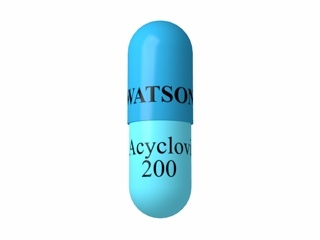
- Tablets: 200 mg, 400 mg, 800 mg
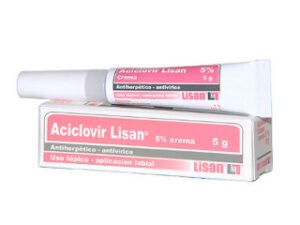
- Cream: 5% (typically for cold sores)
- Ointment: 3% (ophthalmic use)
- Oral suspension: 200 mg/5 mL
- Intravenous (IV) injection: available for hospital use
- Manufacturers: Aspen Pharmacare Australia, GlaxoSmithKline Australia, Arrow Pharmaceuticals, Sandoz Pty Ltd, various generics
- Prescription Status:
- Tablets/suspension: Prescription Only Medicine (Schedule 4; S4)
- Cream (5%): Pharmacy Medicine (S2), available without prescription for cold sores
- Ointment/IV: Prescription Only
Mechanism of Action
- Simple Terms: Aciclovir works by stopping the viral replication process. When you take Aciclovir, the medicine targets virus-infected cells and blocks the ability of herpes viruses (including herpes simplex and varicella zoster) to multiply. This helps clear up the infection faster and relieves symptoms such as pain, sores, and itching.
- For Specialists: Aciclovir is a guanine nucleoside analogue that is selectively metabolised to aciclovir triphosphate within herpes virus-infected cells. Viral thymidine kinase phosphorylates aciclovir, which is then incorporated into viral DNA by viral DNA polymerase, leading to chain termination and inhibition of viral DNA synthesis.
Pharmacokinetics
- Absorption: Oral bioavailability is 15–30%; improved with higher doses and in children.
- Distribution: Widely distributed in body tissues and fluids, including cerebrospinal fluid (CSF).
- Metabolism: Minimal hepatic metabolism; primarily excreted unchanged by the kidneys.
- Elimination: Renal elimination via glomerular filtration and tubular secretion.
- Half-life: About 2.5 to 3.3 hours in adults with normal kidney function; longer in renal impairment.
- Duration of Action: Most outbreaks and infections improve within 5–10 days of starting treatment.
Use in Everyday Life and Best Practices
Aciclovir is commonly used in Australia for treating cold sores (herpes labialis), genital herpes, shingles (herpes zoster), and chickenpox (varicella) infections. It is essential to start Aciclovir as soon as possible after the onset of symptoms for maximum effectiveness. Follow your doctor’s instructions regarding dose and duration.
- Cold Sores: Apply the cream at the first sign of tingling or a sore. Continue until the sores heal.
- Genital Herpes & Shingles: Take tablets regularly, spaced evenly through the day. Starting within 72 hours of rash or symptoms leads to better outcomes.
- Chickenpox: Prescribed for some at-risk children and adults—start within 24 hours of rash onset if advised.
Wash hands before and after applying cream. Avoid sharing towels and close physical contact during outbreaks. Complete the full course prescribed even if you feel better early.
Dosing: Morning or Evening?
- Regularity is Key: Ensure doses are evenly spaced (typically every 4–6 hours) for tablets; for cream, apply every 4 hours during waking hours.
- Morning vs Evening: For most indications, consistent timing (e.g., after breakfast, mid-afternoon, after dinner) is more important than a specific time of day. Avoid missing night doses—consider using alarms or reminders.
- Tips:
- Take doses with or after meals to minimise stomach upset if needed.
- Consider your routine; if mornings are busy, try setting reminders for later in the day.
Taking With Food or on an Empty Stomach
- Effect of Meals: Aciclovir can be taken with or without food; food does not significantly reduce absorption or effectiveness.
- Practical Advice for Australia: If you experience nausea, take Aciclovir with food such as toast, cereal, or a main meal. There are no special dietary requirements—Aciclovir is not affected by a typical English or multicultural diet.
Interaction Warnings
Before using Aciclovir, inform your doctor or pharmacist of all medications, supplements, or herbal remedies you are taking. Some interactions may require dose adjustment or increased monitoring.
| Substance / Drug | Interaction Effect / Precaution |
|---|---|
| Food | No significant effect. Take with or without food. |
| Alcohol | Safe in moderation, but avoid excess as it may impair your body’s response to infection. |
| Probenecid | May increase Aciclovir blood levels; monitor for side effects. |
| Ciclosporin, Tacrolimus | Monitor kidney function if used together (higher risk of nephrotoxicity). |
| Other nephrotoxic drugs (e.g., aminoglycosides, NSAIDs) | Increased risk of kidney harm; inform your doctor. |
| Other antivirals (valaciclovir, famciclovir) | Usually not taken simultaneously; may be used sequentially in some cases—check with your doctor. |
Indications for Aciclovir Use in Australia
| Condition | Official PBS Indication | Off-label Use |
|---|---|---|
| Herpes simplex virus (HSV) infections (oral/genital) | Yes | Occasional chronic suppressive therapy |
| Herpes zoster (shingles) | Yes | In immunocompromised patients, higher doses/IV routes |
| Varicella (chickenpox) | Yes | In certain adults/children at risk |
| Herpetic keratitis (eye infection) | Yes (ophthalmic ointment) | |
| Cold sores (herpes labialis) | Cream OTC | Oral treatment in severe recurrent cases |
Dosing According to Clinical Indication
| Condition | Adults | Children | Elderly/Renal Impairment |
|---|---|---|---|
| Cold Sores (simplex labialis) | 5% cream 5×/day for 5 days | As above if prescribed | As above |
| Genital Herpes, first episode | 400 mg orally 3×/day for 5–10 days | Dosage based on weight; doctor to advise | Dose adjustment in severe renal disease |
| Genital Herpes, recurrent | 400 mg orally 3×/day for 5 days | As above | Adjust if needed |
| Herpes Zoster (shingles) | 800 mg orally 5×/day for 7 days | 20 mg/kg 4×/day (max. 800 mg per dose) for 5 days | Adjust dose in kidney impairment |
| Chickenpox | 800 mg 5×/day for 7 days | 20 mg/kg 4×/day for 5 days | Adjust dose |
| Eye Infection | 3% ointment 5×/day until 3 days after healing | As above | As above |
Safety Profile & Side Effects
| Common | Occasional/Rare | Warnings |
|---|---|---|
|
|
|
Guidelines for Proper Use (Australia Context)
- Start Aciclovir as soon as possible after symptoms appear.
- Space doses evenly through the day.
- For cream, wash your hands before and after each application—do not share the tube.
- Stay hydrated, especially in the summer or with higher temperatures.
- Do not skip doses; if you miss one, take it as soon as you remember unless it is almost time for the next dose.
- Dispose of expired cream or tablets at your local pharmacy—do not flush down the toilet.
- If you are unsure whether your symptoms are caused by a herpes virus, seek advice from a pharmacist or GP.
Alternative Treatment Options
- Valaciclovir: Often considered equally effective. Dosage is less frequent (twice daily). Can be more expensive, sometimes preferred for shingles or recurrent herpes.
- Famciclovir: Similar indications, also used for shingles and herpes infections. Convenient for those with swallowing difficulties as several forms exist.
- Penciclovir (topical): Used for cold sores, but not for systemic infections.
- Comparison Table:
Medicine Frequency Reimbursed by PBS Pros Cons Aciclovir 3–5×/day Yes Cost-effective, safe for most, widely used Frequent dosing, mild side effects Valaciclovir 2×/day Yes (selected indications) Convenient, effective, less frequent dosing Higher cost, some restrictions Famciclovir 1–3×/day Yes (limited) Effective, less frequent More expensive
Legal, Registration, and Reimbursement Status in Australia
- Approval: Registered with the Therapeutic Goods Administration (TGA).
- Legal Status:
- Tablets/Suspension: S4 (Prescription Only Medicine)
- Cream (5%): S2 (Pharmacy Medicine–cold sores only)
- Pharmaceutical Benefits Scheme (PBS): Aciclovir is covered for eligible conditions such as herpes simplex, herpes zoster, and immunosuppressed patients with proof of clinical need.
- Supply: Only available from registered pharmacies and hospitals; over-the-counter (OTC) for cold sore cream.
Latest Research & Clinical Guidance (2022–2025)
- Recent Australian clinical guidelines confirm Aciclovir remains a first-line therapy for HSV and VZV infections (Therapeutic Guidelines, 2022; eTG Complete 2022-2025).
- Shorter courses (2–3 days) of higher-dose therapy for cold sores are as effective as 5-day regimens in some cases (Lancet Infect Dis 2023; BMJ 2022).
- No resistance trend identified in the general Australian population, though immunocompromised patients require close monitoring.
- Safety in pregnancy and breastfeeding remains reassuring with careful use and under medical supervision (TGA, 2024—Category B3).
- Long-term suppression is safe for frequent HSV recurrences but should be reviewed every 6–12 months (Royal Australian College of General Practitioners, 2024).
Availability and Delivery (Australia)
| Pack Size | Form | Indicative Retail Price (AUD) | Delivery Time (metro areas) |
|---|---|---|---|
| 25 tablets | 200 mg | $10–$16 | 1–2 business days (Sydney, Melbourne, Brisbane); 2–5 days (regional/remote) |
| 35 tablets | 800 mg | $22–$30 | 1–2 business days (major cities) |
| 2 g tube | 5% cream | $10–$13 (OTC) | Same day to 2 days |
Stock availability may vary across Australia. Contact your local pharmacy or use an online supplier with a script or evidence for S4 products.
Frequently Asked Questions (FAQ)
- Can I buy Aciclovir cream over the counter in Australia?
Yes, 5% Aciclovir cream for cold sores is available without a prescription from pharmacies. Tablets and other forms require a prescription. - What should I do if I miss a dose?
Take it as soon as you remember unless it is almost time for the next dose; if so, skip the missed dose and continue as normal. Do not double up doses. - Is Aciclovir safe during pregnancy or breastfeeding?
Generally considered safe if prescribed by your doctor. Always inform your doctor if you are pregnant or breastfeeding to ensure appropriate use. - Does Aciclovir cure herpes?
No, Aciclovir controls outbreaks and helps healing but does not eliminate the virus. It can reduce the frequency and severity of outbreaks with ongoing or prompt treatment. - Will Aciclovir interact with my other medicines?
Aciclovir interacts with few common drugs, but always provide a full medication list to your doctor or pharmacist, especially for kidney medications or other antivirals.