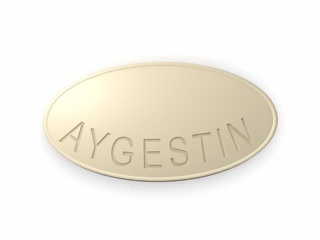
Aygestin (Norethindrone Acetate) – Comprehensive Patient Information for Australia
Basic Product Information
| International Non-Proprietary Name (INN) | Norethindrone Acetate |
|---|---|
| Australia Brand Names | Aygestin, Primolut N, Norlutate, Noriday (in low-dose forms for contraception) |
| Anatomical Therapeutic Chemical (ATC) Code | G03AC01 |
| Available Forms & Strengths | Tablets: 5 mg (most common for Aygestin); some brands/indications may be 0.35 mg and 1 mg |
| Manufacturers (Australia) | Pfizer Australia, Bayer Australia, Mylan Health Pty Ltd |
| Prescription Status | Prescription Only Medicine (Schedule 4), requires a valid doctor’s prescription in Australia |
Mechanism of Action
In simple terms: Norethindrone acetate is a synthetic version of the natural hormone progesterone. It works by mimicking the effects of progesterone in the body, helping to regulate the menstrual cycle, reduce abnormal uterine bleeding, and treat conditions related to hormone imbalance.
In specialist terms: Norethindrone acetate binds to progesterone receptors in target tissues, exerting a progestational effect on the endometrium by transforming proliferative endometrium into secretory endometrium. It suppresses gonadotropin secretion, thereby inhibiting ovulation at higher doses, and stabilises endometrial tissue to prevent irregular shedding.
Pharmacokinetics
- Absorption: Rapidly and well absorbed after oral administration; peak plasma concentrations within 1–2 hours.
- Metabolism: Extensively metabolised in the liver to active and inactive metabolites via hepatic enzymes (primarily CYP3A4).
- Elimination: Excreted mainly in urine, with small amounts in faeces.
- Duration of Action: Effects typically last up to 24 hours after each dose. Half-life is approximately 5–13 hours (depending on dose/formulation).
Use in Everyday Life and Best Practices
Norethindrone acetate is prescribed for a variety of conditions associated with hormone imbalance. In Australia, it is commonly used to:
- Manage heavy or irregular menstrual bleeding
- Treat endometriosis
- Control secondary amenorrhoea (absence of periods)
- Support hormone therapy in menopausal women (as part of combination therapy)
- Act as a component of some oral contraceptives (at lower doses)
Typical Adult Dose: 2.5–10 mg daily, depending on the indication and doctor’s recommendation.
How to Use: Take the tablet at the same time each day, with a glass of water, as directed by your doctor. Follow the dosing schedule carefully and do not stop or change your dose without advice from your healthcare provider.
Disposal of unused tablets should follow your pharmacist's guidance and local regulations.
Dosing in the Morning vs Evening
- Morning Dosing: May help establish a daily routine, reducing risk of missed doses. Can be preferred if sleep disturbance is a concern.
- Evening Dosing: Suitable for patients who are more likely to remember taking medication with dinner. May minimise some gastrointestinal side effects by aligning with food intake.
- Regularity Tip: Choose a time that best fits your daily habits – consistency improves effectiveness and reduces the chance of missed doses.
In Australia, discuss with your doctor or pharmacist about the best time based on your lifestyle and schedule.
Taking With Food or on an Empty Stomach
- Aygestin (norethindrone acetate) can be taken with or without food. Taking with food may help reduce the risk of stomach upset.
- Australian dietary habits, including breakfast, lunch, or dinner times, can be used as reminders to aid medication adherence.
- Avoid grapefruit juice, which can impact drug metabolism.
Interaction Warnings
| Type | Substance | Interaction/Effect | Advice |
|---|---|---|---|
| Food | Grapefruit, St John’s Wort (herbal) | May increase/decrease blood levels of Aygestin | Avoid grapefruit juice; check with a pharmacist for herbal supplements |
| Alcohol | Alcoholic beverages | No direct interaction, but can worsen side effects | Safe in moderation, but avoid excessive alcohol |
| Medications | Enzyme inducers (rifampicin, phenytoin, carbamazepine) | Reduces efficacy of Aygestin | Discuss with doctor—dose adjustment may be necessary |
| Medications | Anticoagulants, antidiabetic drugs | May alter effectiveness of either drug | Monitor and adjust doses as recommended by healthcare provider |
| Medications | Other hormones (oestrogens) | Potential additive effects; may influence treatment goals | Use only as directed by your specialist |
Indications
| Category | Indication | Registration in Australia |
|---|---|---|
| Official (PBS-listed) | Endometriosis, secondary amenorrhoea, abnormal uterine bleeding due to hormonal imbalance | Yes |
| Off-label | Prevention of endometrial hyperplasia as part of HRT, certain menstrual disorders | Consult specialist |
| Contraceptive | Component of combined hormonal contraceptives, low-dose progestogen-only pills (e.g., Noriday) | Yes (lower dose) |
Dosing According to Clinical Indications
| Indication | Age/Population | Typical Dose | Notes |
|---|---|---|---|
| Endometriosis | Adult women | 5–15 mg daily (divided doses), as directed | Duration: 6–9 months; dose tapered as tolerated |
| Secondary Amenorrhoea | Adult women | 2.5–10 mg daily, for 5–10 days per cycle | Start dose per healthcare advice |
| Abnormal Uterine Bleeding | Adult women | 2.5–10 mg daily, for 5–10 days during abnormal bleeding cycle | Treatment may be repeated for up to 3 cycles |
| Children/Adolescents | Not routinely recommended; specialist advice required | — | Paediatric use is off-label in most cases |
| Elderly | Postmenopausal women (as part of HRT) | 0.35–5 mg daily, as directed | Combination therapy—consult specialist |
Safety Profile & Side Effects
| Frequency | Side Effect | Advice |
|---|---|---|
| Common | Nausea, headache, breakthrough bleeding, breast tenderness, weight changes, mood changes | Monitor, usually mild and transient; consult if persistent |
| Less Common/Rare | Acne, rashes, dizziness, menstrual disturbances, fatigue | If severe or persistent, seek medical review |
| Serious (seek immediate help) | Blood clots (DVT/PE), sudden vision changes, severe abdominal pain, jaundice | Stop medication and seek urgent medical attention |
Warnings: Not suitable for all patients—contraindicated in pregnancy, active liver disease, known or suspected hormone-sensitive cancers, and unexplained vaginal bleeding. Tell your doctor about your full medical history before starting.
Guidelines for Proper Use (Australia)
- Take exactly as prescribed—do not change the dose or stop suddenly unless advised by your doctor.
- If you miss a dose, take it as soon as you remember (unless close to your next dose). Do not double the dose to catch up.
- Store tablets below 25°C in a dry place, away from direct sunlight and out of reach of children.
- Attend recommended follow-ups and blood tests as scheduled by your medical team.
- Report any unusual symptoms (e.g., swelling, breathlessness, visual changes) promptly.
- Always inform other healthcare providers (dentists, hospital staff) if you are taking norethindrone acetate.
Alternative Treatment Options (Australia)
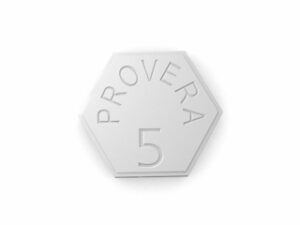
- Medroxyprogesterone acetate (Provera): Similar indications. Available via PBS. Choice depends on physician and patient tolerance.
- Dienogest (Visanne): Specifically approved for endometriosis. May have different side effect profile and cost.
- Levonorgestrel IUD (Mirena): Effective for heavy menstrual bleeding, long-acting, locally acting hormone delivery.
- Combined oral contraceptives: Useful if contraception is also needed.
- GnRH analogues: Used in resistant endometriosis, specialist-prescribed, higher side effect burden.
Pros & Cons: Selection depends on indication, medical history, tolerability, and personal preference. Discuss fully with your specialist.
Legal, Registration, and Reimbursement Status in Australia
- Registered with the Therapeutic Goods Administration (TGA), included in the Australian Register of Therapeutic Goods (ARTG)
- Most indications PBS-listed (Pharmaceutical Benefits Scheme) for eligible conditions, reducing patient cost
- Prescription required (Schedule 4 medication)
- Consult your GP or specialist for eligibility and advice; not available as an over-the-counter medicine
Latest Research & Clinical Guidance (2022–2025)
- RANZCOG (Royal Australian and New Zealand College of Obstetricians and Gynaecologists, 2023): Norethindrone acetate remains a first-line option for endometriosis and abnormal uterine bleeding, with periodic review of side effects and thromboembolism risk advised.
- Recent studies (BJOG 2023; MJA 2024): Indicate that norethindrone acetate is effective and well tolerated for menstrual disorders, with similar outcomes to medroxyprogesterone. Patient preference and tolerability guide drug choice.
- Clinical reviews: For adolescents, paediatric use should be specialist-supervised. In peri- and postmenopausal women, always use as part of combined (not solo) hormone replacement regimens.
Always discuss the latest guidelines with your doctor, as treatment recommendations may evolve.
Availability, Pack Sizes, Delivery, and Indicative Price (Australia)
| Brand (Strength) | Pack Size | Indicative PBS Price ($, 2024) | Private Price ($) | Online/Pharmacy Delivery (Sydney, Melbourne, Brisbane, Perth, Adelaide) |
|---|---|---|---|---|
| Aygestin 5 mg | 30, 90 tablets | 6.20 (concession), up to 41.00 (general) | 55.00–70.00 | 1–2 days metro, 3–5 days regional/rural |
| Primolut N (5 mg) | 30 tablets | 6.20–41.00 | 45.00–60.00 | Same as above |
| Norlutate 5 mg | 30 tablets | 6.20–41.00 | 50.00–62.00 | Same as above |
| Noriday 0.35 mg (contraception) | 28, 84 tablets | 6.20–41.00 | 22.00–35.00 | Same as above |
Note: Check with your local pharmacy for the latest prices and stock. Delivery times are approximate and may vary during peak periods or public holidays.
FAQ – Common Patient Questions
- Can I take Aygestin if I am planning a pregnancy?
Aygestin is not safe in pregnancy and should be discontinued before conception. If you are planning a pregnancy, consult your doctor for alternative management. - What should I do if I forget a dose?
Take the missed dose as soon as you remember, unless it is almost time for your next dose. Do not double up. If in doubt, consult your pharmacist. - Are there any long-term risks?
With appropriate monitoring, risks are low. Long-term use may increase the chance of blood clots, liver problems, or changes to cholesterol. Regular check-ups are important. - Can I drink alcohol while on Aygestin?
Moderate alcohol use is generally safe, but heavy drinking may worsen side effects. Limit intake and avoid binge drinking. - Is there a generic version?
Yes. Ask your pharmacist for options; both originator and generic norethindrone acetate are available.
Always consult your doctor, pharmacist, or nurse for personalised advice before starting or changing any medication.