Renova (Isotretinoin): Comprehensive Patient Guide for Australia
Basic Product Information
| International Nonproprietary Name (INN) | Isotretinoin |
| Common Australia Brand Names | Roaccutane®, Oratane®, Isotretinoin Sandoz®, Accure®, Isotretinoin Capsule (various manufacturers) |
| ATC Code | D10BA01 |
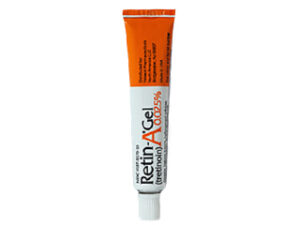
| Available Forms and Strengths | Capsules: 5 mg, 10 mg, 20 mg, 30 mg, 40 mg Gel (topical): 0.05% (Renova®/Retin-A®, not all available in Australia; note: oral formulations are most common in Australia) |
| Manufacturers | Roche, Mylan, Sandoz, Douglas Pharmaceuticals, and generics |
| Prescription Status | Schedule 4 (Prescription Only Medicine) in Australia |
Mechanism of Action
For Patients: Isotretinoin is a type of vitamin A derivative used mainly to treat severe acne that hasn’t improved with other treatments. It reduces the amount of oil (sebum) produced by glands in the skin, helps stop pores getting clogged, reduces inflammation, and helps skin repair itself.
For Specialists: Isotretinoin is a systemic retinoid that acts primarily via nuclear retinoic acid receptors, reducing sebaceous gland size and activity, altering keratinisation, and exerting anti-inflammatory effects by modulating gene transcription involved in cell differentiation and apoptosis.
Pharmacokinetics
- Absorption: Oral isotretinoin is best absorbed when taken with fatty food (bioavailability increases considerably). Topical use has minimal systemic absorption.
- Metabolism: Hepatic (liver) metabolism via CYP2C8, CYP2C9, CYP3A4 enzymes; metabolites include 4-oxo-isotretinoin (active) and tretinoin.
- Elimination: Predominantly faecal, with some renal excretion; elimination half-life ~10–20 hours.
- Duration of Action: Clinical effects (skin changes) may persist for weeks to months after stopping the medicine, as it influences skin cell lifecycle.
Use in Everyday Life and Best Practices (Australia Specific)
Isotretinoin is generally reserved for treating severe nodular acne, cystic acne, or acne that hasn’t improved with antibiotics or other skin treatments, as recommended by Australian clinical guidelines. If prescribed, your dermatologist or GP will schedule regular blood tests and check-ups to monitor for side effects, liver function, and lipid levels.
- Take the capsules with food, ideally with a main meal that contains some healthy fats, to increase absorption (e.g., eggs, fish, cheese, nuts).
- Swallow capsules whole with water, don’t chew or break them.
- Follow your prescribed schedule exactly—many will take the medicine once daily, but some regimens split the dose or taper the dose according to your condition.
- Never share your isotretinoin with anyone else—serious risks exist, especially for pregnant women and children.
Dosing in the Morning vs Evening
- Morning: Taking isotretinoin with breakfast (especially one containing some healthy fats) may help ensure maximum absorption and fit more easily into the daily routine. Morning dosing also enables you to monitor for any daytime side effects.
- Evening: Some people find taking it with the evening meal is most convenient and less likely to be forgotten.
- Best Practice: Choose the time of day you are most likely to be consistent, always take it with food, and try not to miss doses—regularity is important for effectiveness and minimising side effects.
Taking with Food or on an Empty Stomach
Isotretinoin must be taken with food. Studies show that taking isotretinoin on an empty stomach can reduce its absorption by more than half. Include some healthy fats at the meal—avocado, eggs, dairy, olive oil, nut butters, oily fish, or cheese, in line with common English/Australian diets. Avoid large quantities of fried or highly processed foods for overall health.
- If you forget to take it with a meal, take it with the next meal to maximise absorption.
- Topical gel/cream forms (where available) do not require food and are applied directly to the skin, avoiding lips and eyes.
Interaction Warnings
| Interaction | Details | Practical Advice |
|---|---|---|
| Alcohol | May increase risk of liver side effects and elevate blood lipids | Limit alcohol; discuss any alcohol use with your doctor |
| Vitamin A supplements | Risk of vitamin A toxicity (hypervitaminosis A) | Avoid vitamin A supplements or multivitamins containing vitamin A |
| Tetracycline antibiotics | May increase pressure in the brain (benign intracranial hypertension) | Avoid using with tetracycline antibiotics (e.g., doxycycline) |
| Other acne treatments (topical retinoids, keratolytics) | May increase skin irritation | Check with your doctor before combining; use gentle skincare |
| Progestin-only oral contraceptives (“mini-pill”) | Reduced effectiveness with some formulations | Use additional, highly effective birth control |
| St John’s Wort | May reduce contraceptive effectiveness | Do not use with isotretinoin if at risk of pregnancy |
Indications
| Indication | Official | Off-label (Specialist Use) |
|---|---|---|
| Severe Nodular Acne | ✔ | |
| Recalcitrant Acne Not Responding to Other Treatments | ✔ | |
| Moderate Acne (certain cases) | ✔ (by dermatologist only) | |
| Rosacea (severe or resistant forms) | ✔ (off-label) | |
| Hidradenitis Suppurativa, Folliculitis Decalvans | ✔ (rare, specialist use) |
Dosing According to Clinical Indications
| Indication/Population | Typical Daily Dose | Comment |
|---|---|---|
| Adults (severe acne) | 0.5–1 mg/kg/day (in 1 or 2 doses) | Duration: 16–24 weeks, or until total cumulative dose of 120–150 mg/kg achieved |
| Adolescents (12–18yrs, under specialist care) | Start at 0.5 mg/kg/day, gradually increase | Careful monitoring; same duration as adults |
| Elderly | Start at lowest dose: 0.25–0.5 mg/kg/day | Assess liver/kidney function, comorbidities |
| Moderate acne, rosacea, other off-label uses | Lower dose (e.g., 10–20 mg once every 2–3 days) | Only under dermatologist supervision |
- Note: Always individualised by your doctor based on your personal response and tolerance.
Safety Profile and Side Effects
Isotretinoin is highly effective, but comes with risk of side effects. While most side effects are mild and improve after stopping, some require immediate medical attention. Always notify your healthcare provider if you experience any new or severe symptoms.
| Common Side Effects | Rare but Serious Side Effects | Warnings |
|---|---|---|
|
|
|
Guidelines for Proper Use (Pharmacist/Clinic Advice Specific to Australia)
- Never self-medicate; always use isotretinoin strictly as prescribed by your dermatologist or GP.
- If you are female of childbearing potential, you must use two forms of contraception for at least 1 month before, during, and one month after stopping isotretinoin; regular pregnancy tests will be required.
- Use a non-comedogenic, fragrance-free moisturiser and lip balm during treatment to manage dryness (ask your pharmacist for Australian-recommended products).
- Wear sunscreen (SPF 50+) daily on treated areas, as isotretinoin causes increased sun sensitivity even in winter and with English weather.
- Report any symptoms of low mood, depression, or sudden abdominal pain to your doctor straight away.
- Avoid cosmetic procedures (waxing, laser, dermabrasion) during and for 6 months after finishing a course.
- See your doctor for regular check-ups and blood tests, especially if you have pre-existing liver problems, diabetes, or high cholesterol.
Alternative Treatment Options
- Oral antibiotics - such as doxycycline, minocycline, erythromycin (usually tried before isotretinoin; effective for inflammatory acne but risk of resistance, not for long-term use).
- Combined oral contraceptives (COCs) - for females, some brands provide added acne benefit; not suitable if contraindicated by your GP.
- Topical retinoids (adapalene, tretinoin) - effective for comedonal/mild/moderate acne, generally have fewer systemic side effects but less effective for severe disease.
- Benzoyl peroxide, topical/oral antibiotics - for milder acne.
- Professional in-clinic peels, photodynamic therapies - limited NHS/NFZ funding, mainly private clinics.
- Pros of Isotretinoin: Most effective for severe or recalcitrant acne that hasn’t responded to other treatments; can lead to long-term or permanent remission.
- Cons: Greater risk of side effects, teratogenic (can cause severe birth defects), requires careful monitoring and prescription controls.
Legal, Registration, and Reimbursement Status in Australia
- URPL/MHRA status: Registered with the Therapeutic Goods Administration (TGA, Australia’s regulatory authority), prescription only (Schedule 4).
- Reimbursement: PBS (Pharmaceutical Benefits Scheme) listing for severe acne in patients who have failed other treatment options; restrictions apply and may require specialist prescription/coding.
- Supply: Only available by prescription. Pharmacists will require a valid script from your doctor and may ask for additional documentation for PBS-subsidised supply.
- Pharmacy Practice: Most major and community pharmacies can dispense isotretinoin, but may need to order specific strengths or brands in advance.
Latest Research and Clinical Guidance (2022–2025)
- Recent British Journal of Dermatology and Australasian Journal of Dermatology updates confirm isotretinoin’s efficacy and safety when appropriately monitored, supporting intermittent “low-dose” protocols for certain moderate acne cases (Ong et al., 2023).
- New TGA safety communications (2023) reinforce strict pregnancy prevention, the importance of mental health monitoring, and highlight rare reports of mood changes during treatment.
- Best Practice Guidelines (ACD, 2023) now emphasise the importance of “shared decision making,” flexible dosing, and individualised risk-benefit analyses for all patients.
- Emerging evidence suggests low-dose, long-duration isotretinoin may provide good efficacy with fewer side effects in selected cases (Smith et al., 2024 review).
- Ongoing safety reviews show good long-term safety profile for appropriately screened patients. No new major safety concerns identified (TGA, 2024).
Availability and Delivery (Australia)
| Pack Size (example) | Price (AUD, indicative PBS cost in 2024) | Delivery/Waiting Time |
|---|---|---|
| 10 mg x 60 capsules | $43.20 (PBS subsidised) / $115.00 (private) |
|
| 20 mg x 30 capsules | $38.60 (PBS subsidised) / $99.00 (private) | Same delivery/waiting times as above |
| Various (by order) | Private price varies with brand, pack, pharmacy; confirm before filling script | Add 1–2 days for special orders |
- Most community and online pharmacies can fill authorised scripts; check in advance for local stock and delivery options.
Frequently Asked Questions (FAQ)
- Is isotretinoin the right treatment for me?
Isotretinoin is typically reserved for severe, scarring, or treatment-resistant acne. Your dermatologist or GP will help determine suitability based on your skin condition, previous treatments, and personal medical history. - Can I drink alcohol while taking isotretinoin?
It’s best to limit or avoid alcohol, as both isotretinoin and alcohol can affect your liver and may increase your risk of side effects. Always discuss your habits with your healthcare provider. - What happens if I miss a dose?
If you miss a dose, take it with your next meal. Do not double up doses. If you’re unsure, contact your pharmacist or doctor for advice. - Can I become pregnant while on isotretinoin?
Isotretinoin can cause severe birth defects. You must use effective contraception and have regular pregnancy tests before, during, and for at least one month after treatment. Do not take isotretinoin if you are—or may become—pregnant. - How do I protect my skin during treatment?
Use a gentle, hydrating moisturiser, a lip balm, and high-SPF sunscreen. Avoid shaving, waxing, laser, or dermabrasion procedures while on isotretinoin and for several months after completing treatment.
For more detailed advice or support, speak with your Australian dermatologist, GP, or community pharmacist, who can provide information tailored to your individual needs and circumstances.