Uniphyl CR (Theophylline): Patient-Friendly Information for Australia
Basic Product Information
| International Non-proprietary Name (INN) | Theophylline |
|---|---|
| Australia Brand Names | Uniphyl CR, Nuelin, Theo-Dur (controlled/modified-release theophylline) |
| ATC Code | R03DA04 |
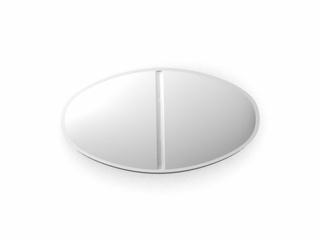
| Available Forms & Strengths | Controlled-release tablets: 200 mg, 400 mg |
| Manufacturers | Abbott, Mylan, Alphapharm, other generic manufacturers in Australia |
| Prescription Status (Australia) | Prescription Only Medicine (Schedule 4) |
Mechanism of Action
How it works (for patients): Theophylline belongs to a class of medicines called xanthines. It helps to relax and open up air passages in the lungs, making it easier to breathe. This helps relieve symptoms such as wheezing, shortness of breath, and chest tightness in people with asthma and chronic obstructive pulmonary disease (COPD).
For specialists: Theophylline is a nonselective phosphodiesterase inhibitor and adenosine receptor antagonist. These actions increase cyclic AMP levels in bronchial smooth muscle, causing bronchodilation and mild anti-inflammatory effects. At therapeutic serum concentrations (10–20 mg/L), bronchial smooth muscle relaxation and ventilatory stimulation are the main therapeutic effects.
Pharmacokinetics
- Absorption: Uniphyl CR controlled-release tablets are slowly absorbed, allowing for sustained blood levels for 12–24 hours. Peak plasma concentrations are typically reached in 4–8 hours after oral administration.
- Metabolism: Theophylline is mainly metabolised in the liver (by CYP1A2 and CYP3A4) to inactive compounds. Liver disease, smoking status, and certain medications can influence its metabolism.
- Elimination: Excreted mainly by the kidneys (10% unchanged, remainder as metabolites). Half-life ranges 4–8 hours in adults, longer in the elderly, children, and those with liver impairment.
- Duration of action: Uniphyl CR allows for once-daily or twice-daily dosing, maintaining stable drug levels for 12–24 hours.
Everyday Use & Best Practices in Australia
- Theophylline is commonly used for the maintenance treatment of asthma and COPD. It is less commonly used than inhaled corticosteroids or beta-2 agonists but may be added when these treatments are insufficient.
- Usual starting dose for adults: 200–400 mg, once or twice daily. Dose is adjusted by your doctor according to blood level monitoring and clinical response.
- Tablets should be swallowed whole with water—do not crush or chew, as this can release the drug too quickly and increase side effects.
- Always take this medicine exactly as prescribed and follow your doctor's or pharmacist's advice.
- If you are prescribed theophylline, you may need regular blood tests to monitor drug levels and prevent toxicity.
- For the best outcome, avoid missing doses and take it at the same time each day.
Dosing: Morning vs Evening
- Morning dosing: May help cover increased asthma symptoms in the early hours; can reduce risk of insomnia if theophylline causes sleep disturbance for you.
- Evening dosing: May help prevent nighttime asthma symptoms (nocturnal symptoms are common in asthma and COPD). Controlled-release forms like Uniphyl CR are designed for once-daily evening dosing, but consult your doctor for what suits you best.
- Tips on regularity: Take at the same time every day. Set an alarm or reminder if needed. Consistency helps keep your drug levels steady and reduces risk of side effects.
- Never double up doses if you forget—just take the next dose as scheduled.
Taking with Food or on an Empty Stomach
- Theophylline can be taken with or without food. However, taking it with food may help reduce stomach upset.
- High-fat meals may increase the rate and extent of absorption for some controlled-release products. Try to be consistent in how you take your doses—either always with food or always on an empty stomach.
- If you have a typical English diet—including breakfast cereals, toast, meat pies, or curries—know that usual foods are permitted, but discuss any large changes in diet with your pharmacist or doctor for safety, especially if taking Uniphyl CR long-term.
- Avoid excessive caffeine intake (coffee, tea, energy drinks, chocolate), as this can increase the risk of side effects.
Interaction Warnings
| Substance | Effect | Advice |
|---|---|---|
| Smoking | Increases theophylline clearance (lower levels) | Inform your doctor if you start/stop smoking |
| Alcohol | May increase or decrease levels (unpredictable) | Limit alcohol; report excessive drinking |
| Erythromycin, clarithromycin | Increases blood theophylline levels (risk of toxicity) | Avoid combinations if possible; monitor closely if needed |
| Cimetidine | Increases theophylline levels | Use alternative acid reducers (e.g. ranitidine, PPIs) |
| Antiepileptics (phenytoin, carbamazepine) | Reduces theophylline levels | Monitor levels; dose adjustment may be required |
| Beta blockers | Can oppose bronchodilator effect | Prefer alternative antihypertensives in asthma/COPD |
| Allopurinol (high dose) | Increases theophylline levels | Monitor blood levels |
| Flu vaccines | Potential to increase levels in rare cases | Inform your provider if blood tests are due after vaccination |
| Caffeine | Adds to stimulant side effects | Limit or avoid high-caffeine drinks |
Indications
| Indication | Official Use | Off-label Use |
|---|---|---|
| Asthma (chronic management) | ✔️ | |
| Chronic obstructive pulmonary disease (COPD) | ✔️ | |
| Refractory bronchospasm (in other conditions) | May be considered (specialist use) | |
| Sleep apnoea syndrome (children) | Research/limited specialist use | |
| Neonatal apnea of prematurity | Caffeine citrate generally preferred in Australia |
Dosing by Indication Group
| Population | Indication | Starting Dose | Typical Range |
|---|---|---|---|
| Adults | Asthma, COPD | 200–400 mg once or twice daily | 300–900 mg/day, in 1–2 divided doses |
| Children (6–15 yrs) | Asthma | 12–16 mg/kg/day (max 300 mg twice daily) | Dose adjusted according to blood tests |
| Elderly | Asthma, COPD | Lower end of adult dose, e.g. 200 mg/day | Careful titration due to slower clearance |
| Renal/liver impairment | All | Lower doses, longer intervals | Close monitoring essential |
Safety Profile and Side Effects
Theophylline has a narrow therapeutic index, meaning the difference between effective and toxic doses is small. Always take as prescribed and have regular monitoring.
| Frequency | Side Effect | Comments |
|---|---|---|
| Common (5–10%) | Nausea, headache, insomnia, stomach upset, mild palpitations | Often mild, dose-related |
| Occasional (1–5%) | Tremor, irritability, diarrhoea, heartburn | More likely if blood levels too high |
| Rare (<1%) | Seizures, abnormal heart rhythms (arrhythmias), severe allergic reactions | Seek immediate medical attention |
| Warnings | Toxicity risk if taking higher doses, with interacting medicines, or with certain illnesses | Monitor blood levels regularly. Report vomiting, rapid heartbeat, seizures, or severe agitation immediately. |
Guidelines for Proper Use
- Take your tablet at the same time each day with a glass of water.
- If stomach upset occurs, take with a snack or a small meal.
- Never crush or split Uniphyl CR tablets—swallow them whole.
- If you miss a dose, do not double up; simply resume with the next scheduled dose.
- Keep regular appointments for blood tests to monitor theophylline levels.
- Inform your pharmacist and doctor about any new medications or supplements.
- Avoid drastic changes in your diet (especially stopping or starting caffeine or smoking) without medical advice.
- Store tablets below 25°C and keep out of reach of children.
Alternative Treatments
- Inhaled corticosteroids (ICS) (e.g. budesonide, fluticasone): First-line for asthma, reimbursed; fewer systemic side effects.
- Long-acting beta-2 agonists (LABA) (e.g. salmeterol, formoterol): Used alongside ICS; faster symptom relief.
- Leukotriene receptor antagonists (e.g. montelukast): Oral option, mild effect, well-tolerated.
- Long-acting muscarinic antagonists (LAMA) (e.g. tiotropium): Especially for COPD.
- Systemic corticosteroids: Used short-term for severe attacks, not for maintenance due to side effects.
- Pros of theophylline: Oral dosing, useful if inhalers not tolerated, some anti-inflammatory benefit.
Cons: Requires monitoring, narrow safety range, many potential drug interactions.
Legal, Registration, and Reimbursement Status in Australia
- Legal classification: Schedule 4 (Prescription Only Medicine) under the Therapeutic Goods Administration (TGA) regulations.
- Registered brands: Uniphyl CR, Nuelin SR, Theo-Dur, and generics listed in the Australian Register of Therapeutic Goods (ARTG).
- Reimbursement: Theophylline preparations are currently listed on the Pharmaceutical Benefits Scheme (PBS) for long-term asthma and COPD, when other options are insufficient/refractory.
- Prescriptions must be issued by an authorised healthcare practitioner within Australia for lawful supply.
- All side effects and suspected adverse reactions should be reported to the TGA’s Adverse Events Reporting Program.
Latest Research and Clinical Guidance (2022–2025)
- 2022–2024 National Asthma Council Australia and COPD-X Guidelines recommend theophylline as a secondary/adjunct option (step-up asthma or refractory COPD cases), not as primary maintenance due to its monitoring burden and side effect risk.
- Recent clinical studies (e.g., McCarthy et al., Respirology, 2023) confirm modest benefit in some COPD subgroups, with a focus on careful selection and monitoring to limit adverse effects.
- Emerging practice: Use of lower theophylline doses than previously recommended, aiming primarily for anti-inflammatory effects rather than bronchodilation. Research continues on its role in steroid-resistant asthma.
- Reference: Australian Medicines Handbook (2024 Edition), National Asthma Council Australia, COPD-X Concise Guide 2024, peer-reviewed literature (McCarthy et al., Respirology, 2023).
Availability and Delivery in Australia
| Pack Size | Typical Price (AUD, PBS co-payment) | Popular Cities - Delivery Time (Business Days) |
|---|---|---|
| Uniphyl CR 200 mg x 60 | $14–$22 | Sydney: 1–2, Melbourne: 2–3, Brisbane: 2–3, Perth: 3–5, Adelaide: 2–4 |
| Uniphyl CR 400 mg x 30 | $13–$20 | Sydney: 1–2, Melbourne: 2–3, Brisbane: 2–3, Perth: 3–5, Adelaide: 2–4 |
| Other generics (various strengths) | $11–$19 | Same as above |
Most pharmacies offer Australia-wide express delivery with online orders. Cold chain is not required for Uniphyl CR, but always follow storage instructions.
FAQs: Uniphyl CR (Theophylline) in Australia
- Do I need regular blood tests while taking Uniphyl CR?
Yes, you'll usually need periodic blood tests to ensure your theophylline levels are in the safe and effective range. Some people may later be stable enough to test less frequently—follow your doctor's advice. - Can I drink coffee or tea with theophylline?
Moderate amounts are usually fine, but both contain caffeine, similar to theophylline, so high intake may increase side effect risk. Discuss your usual habits with your pharmacist. - What if I miss a dose?
Skip the missed dose and take your next dose at the usual time. Never double up doses, as this increases the risk of side effects. - Are there serious side effects I should watch for?
Yes—these include persistent vomiting, rapid or irregular heartbeat, seizures, or severe agitation. If any of these occur, seek medical help immediately. - Is Uniphyl CR safe to use with other asthma or COPD medicines?
Generally, yes—but it interacts with several medicines. Always tell your doctor and pharmacist about all other medicines (including over-the-counter and supplements) you use.
For more information or personalised advice, consult your pharmacist or respiratory specialist.