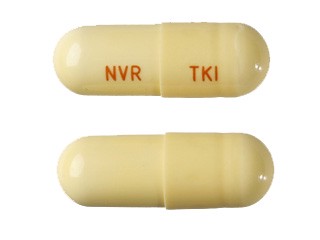

Tasigna (Nilotinib): Comprehensive Patient Guide
Basic Product Information
| International Nonproprietary Name (INN) | Nilotinib |
|---|---|
| Brand Names in Australia | Tasigna |
| Anatomical Therapeutic Chemical (ATC) Code | L01EA03 |
| Available Forms & Strengths | Capsules: 150 mg, 200 mg |
| Manufacturers | Novartis Pharmaceuticals Australia Pty Ltd |
| Prescription Status | Prescription Only (Schedule 4 – S4) |
Mechanism of Action
For Patients:
Tasigna contains nilotinib, a type of medicine called a "tyrosine kinase inhibitor." It works by blocking the activity of certain proteins, known as BCR-ABL tyrosine kinases, that are present in abnormal white blood cells in people with specific types of leukaemia. By blocking these proteins, Tasigna helps stop the growth and multiplication of cancer cells.
For Specialists:
Nilotinib is a second-generation BCR-ABL tyrosine kinase inhibitor. It binds to the ATP-binding site of the BCR-ABL protein, preventing phosphorylation and subsequent signal transduction associated with proliferation and survival of Philadelphia chromosome-positive (Ph+) leukaemic cells.
Pharmacokinetics
- Absorption: Nilotinib is rapidly absorbed after oral administration, with peak plasma concentrations achieved within 3 hours.
- Metabolism: Primarily metabolised in the liver, mainly via the CYP3A4 enzyme pathway.
- Elimination: Excreted mainly in faeces; minor renal elimination.
- Duration of Action: The elimination half-life is around 17 hours, allowing for twice-daily dosing.
Use in Everyday Life and Best Practices
Tasigna is used for treating adults, adolescents, and children (from age 1 year) who have Philadelphia chromosome-positive chronic myeloid leukaemia (Ph+ CML) in either the chronic or accelerated phase. A medical specialist, usually a haematologist, will advise if this medicine is appropriate for you.
- Typical Adult Dose: 300 mg twice daily for newly diagnosed patients with chronic phase CML; 400 mg twice daily for patients resistant or intolerant to prior therapy.
- Children & Adolescents: Dose is based on body surface area and overall health condition.
- Elderly: Dosage as per adult recommendations, with careful monitoring recommended.
- Always use Tasigna as advised by your doctor or pharmacist. Do not alter or stop your treatment unless instructed.
- Swallow capsules whole with a glass of water—do not chew, crush, or open them.
Dosing: Morning vs. Evening
Tasigna is taken twice daily, ideally around 12 hours apart, typically in the morning and evening.
- Advantages of Regular Dosing: Keeps drug levels steady, improving effectiveness and reducing side effects.
- Disadvantages of Irregular Timing: Missed doses can reduce effectiveness and may lead to drug resistance.
- Set reminders if needed. Aim for the same time each day (e.g., 7 am and 7 pm).
Taking with Food or on an Empty Stomach
Tasigna should always be taken on an empty stomach. Do not eat for at least 2 hours before and 1 hour after taking each dose. Food increases the absorption of nilotinib, which can lead to dangerous side effects. Drink a glass of water with each dose.
Dietary notes (Australia):
If you are used to having breakfast or dinner with your medicine, take Tasigna at least two hours after eating and do not eat for at least one hour afterward. Plan meals and snacks accordingly (e.g., take your morning dose before breakfast, or set your evening dose for after an early dinner).
- Avoid grapefruit, starfruit, and Seville oranges: These can interact with nilotinib and should be avoided.
Interaction Warnings
| Interaction | Recommendation |
|---|---|
| Certain foods (grapefruit, starfruit, Seville oranges) | Avoid – may increase nilotinib levels |
| Alcohol | Not specifically contraindicated, but limit to occasional consumption; consult your doctor |
| Other medications affecting CYP3A4 (e.g., ketoconazole, rifampicin, St John's Wort) | May change nilotinib levels – avoid unless advised by doctor |
| Antacids and proton pump inhibitors (e.g., omeprazole, ranitidine) | Use with caution; may affect absorption of nilotinib |
| Other medicines that prolong QT interval | Inform your doctor; regular ECG monitoring may be needed |
Indications
| Indication | Status |
|---|---|
| Treatment of adult and paediatric patients with newly diagnosed Philadelphia chromosome-positive chronic myeloid leukaemia (Ph+ CML) in chronic phase | Approved |
| Treatment of adult and paediatric patients with Ph+ CML in chronic phase and accelerated phase, resistant or intolerant to prior therapy including imatinib | Approved |
| Off-label usage (as determined by a haematologist) | Clinic-dependent, specialised use |
Dosing According to Clinical Indications
| Population | Indication | Recommended Dose | Notes |
|---|---|---|---|
| Adults | Newly diagnosed Ph+ CML (chronic phase) | 300 mg twice daily | Take on empty stomach |
| Adults | Ph+ CML (chronic/accelerated phase, imatinib resistant/intolerant) | 400 mg twice daily | Take on empty stomach |
| Paediatric | Ph+ CML (all indications) | 230 mg/m2 body surface area, up to max 400 mg, twice daily | Doctor will calculate exact dose |
| Elderly | All approved indications | As per adult dose | Extra monitoring for side effects |
Safety Profile and Side Effects
Like all medicines, Tasigna can cause side effects. Please discuss any concerns with your doctor or pharmacist.
| Common Side Effects (≥10%) | Less Common/Rare Side Effects | Serious Warnings |
|---|---|---|
|
|
|
Medical Attention:
Seek urgent medical care if you experience chest pain, difficulty breathing, rapid heartbeat, severe skin rash, unexplained bruising, or signs of infection.
Guidelines for Proper Use (Australia Context)
- Keep all appointments for blood tests and medical reviews—these monitor treatment response and detect early side effects.
- Store Tasigna capsules below 30°C, out of reach of children, and away from sunlight and moisture.
- Never share your medicine—it is prescribed individually.
- Australian pharmacies supply Tasigna under prescription only. Bring your Medicare card and current script when picking up your supply.
- If you forget a dose and it's more than 12 hours until the next, take it as soon as remembered. If it’s less than 12 hours, skip the missed dose.
- If vomiting occurs soon after taking a dose, inform your doctor but do not take an extra dose unless advised.
- Report new illness, persistent fever, or unusual bleeding or bruising promptly.
- Vaccinations with live vaccines should be discussed with your doctor.
Alternative Treatment Options
- Imatinib (Glivec): First-generation TKI; proven effectiveness, but resistance may develop; listed on the PBS (Pharmaceutical Benefits Scheme).
- Dasatinib (Sprycel): Also a second-generation TKI; alternative if side effects occur or resistance to nilotinib develops; PBS reimbursed.
- Bosutinib (Bosulif): Useful in some resistant cases; available via PBS for specific indications.
- Asciminib (Scemblix): A newer agent, used after other TKIs fail; PBS funded for certain patients.
- Stem Cell Transplant: For patients not responding to TKIs, usually considered as a later step.
Overview: Each treatment has unique benefits, side effects, and dosing regimens. Your haematologist will tailor therapy based on your disease and overall health.
Legal, Registration, and Reimbursement Status in Australia
- Tasigna is registered with the Therapeutic Goods Administration (TGA).
- It is listed on the Pharmaceutical Benefits Scheme (PBS) for eligible patients with chronic myeloid leukaemia (specific criteria apply).
- Prescription only (Schedule 4 medicine).
- Supplied by licensed Australian pharmacies—requires a valid script.
Latest Research and Clinical Guidance (2022–2025)
- Large international trials have confirmed nilotinib's efficacy for first-line and resistant CML (Cortes JE et al, Blood, 2022).
- Recent Australian Haematology Guidelines (2023) recommend nilotinib as a preferred second-generation option for newly diagnosed and imatinib-resistant CML.
- Long-term data shows improved molecular response and lower progression rate compared with imatinib in eligible patients.
- Research emphasises careful monitoring for cardiovascular side effects (e.g., blood pressure, cholesterol).
- Emerging recommendations call for shared decision-making and regular quality-of-life assessments.
Availability and Delivery
- Pack Sizes: 28, 56, or 112 capsules (varies by pharmacy and prescription)
- Supplied by community and hospital pharmacies across Australia.
- Home delivery service available with most major pharmacy chains.
| City | Pharmacy Pickup | Courier Delivery | Indicative Patient Co-pay (PBS, per month) |
|---|---|---|---|
| Sydney | Same/next business day | 1–2 days | $30–$42 (concessional $7.70) |
| Melbourne | Same/next business day | 1–2 days | $30–$42 (concessional $7.70) |
| Brisbane | Same/next business day | 1–2 days | $30–$42 (concessional $7.70) |
| Perth | 1–2 business days | 2–4 days | $30–$42 (concessional $7.70) |
| Adelaide | Same/next business day | 1–2 days | $30–$42 (concessional $7.70) |
Frequently Asked Questions (FAQ)
- What should I do if I miss a dose?
If you miss a dose and it is more than 12 hours until the next one, take it as soon as remembered. If less than 12 hours remain, skip the dose and continue with your next scheduled dose. Do not take a double dose to make up for the missed one. - Can I take Tasigna with food?
No. Tasigna must be taken on an empty stomach. Food can dangerously increase its absorption, raising the risk of serious side effects. Wait at least 2 hours after eating before your dose and do not eat for at least 1 hour afterward. - Will I need regular tests while on Tasigna?
Yes. Your doctor will arrange regular blood tests to check your blood count, liver, and kidney function. ECGs (heart checks) and cholesterol measurements are also required. Keep all scheduled appointments to monitor your safety and response. - What if I get side effects?
Some side effects are common and mild, such as rash or tiredness. Severe effects (e.g., persistent fever, chest pain, or significant bruising) require prompt medical attention. Always report worrying symptoms to your doctor or pharmacist. - Is Tasigna covered by the PBS?
Yes, for eligible patients with CML meeting defined criteria. Your haematologist and pharmacist can advise on your individual eligibility and co-payment.
Please consult your doctor or pharmacist for advice specific to your health needs. This information is for educational purposes and does not replace professional medical guidance.