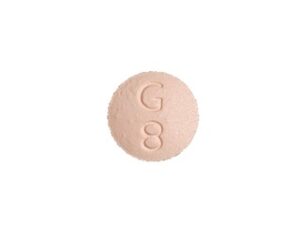


Serc (Betahistine) – Patient Information for Australia
Basic Product Information
| International Nonproprietary Name (INN) | Betahistine |
|---|---|
| Brand Names (Australia) | Serc, Betaserc, Betahistine Sandoz, Betahistine APOTEX |
| ATC Code | N07CA01 |
| Available Forms & Strengths | Tablets: 8 mg, 16 mg, 24 mg |
| Manufacturers (Australia) | Abbott Australasia, Sandoz Australia, Apotex Pty Limited |
| Prescription Status | Prescription Only Medicine (Schedule 4, S4) |
Mechanism of Action
- Patient-friendly explanation: Serc (betahistine) works by improving blood flow in the inner ear, which helps to reduce the build-up of pressure that may cause symptoms of vertigo, tinnitus (ringing in the ears), and hearing loss.
- Specialist explanation: Betahistine is a histamine analogue that acts as a partial agonist at histamine H1 receptors and an antagonist at H3 receptors in the vestibular nuclei and inner ear. This dual mechanism leads to enhanced neurotransmitter release and improved microcirculation within the stria vascularis and cochlear tissues.
Pharmacokinetics
- Absorption: Rapidly and completely absorbed from the gastrointestinal tract.
- Metabolism: Extensively metabolised in the liver to 2-pyridylacetic acid (inactive).
- Elimination: Primarily excreted via urine as metabolites within 24 hours.
- Duration of Action: Symptom relief is usually noticeable after a few weeks, with effects maintained with regular dosing.
Everyday Use & Best Practices in Australia
Serc is most commonly used for the treatment of Ménière's syndrome and other types of vertigo. Tablets are generally taken two to three times daily, depending on prescribed strength and condition. Always follow your doctor’s instructions for dosing and course length, and ask your pharmacist for support if needed.
- Swallow the tablet whole with a glass of water.
- Take at evenly spaced times each day for best effect.
- Do not abruptly stop medication without consulting your doctor, especially if symptoms have improved.
- For chronic conditions, long-term use is common and generally well-tolerated; your doctor will periodically review necessity.
- Safe disposal of unused medicine aligns with Australian pharmacy standards; ask your pharmacist for assistance.
Dosing: Morning vs Evening
- There is no strict requirement to take Serc in the morning or evening, but taking your dose at the same times each day helps maintain steady levels in your body.
- Dividing doses (e.g., morning, midday, evening) can help minimise gastrointestinal discomfort.
- If you experience drowsiness or stomach upset, consult your doctor about adjusting the timing.
- Australian clinical practice encourages regularity: set reminders or incorporate dosing into your routine (e.g., around meal times).
Taking Serc with Food or On an Empty Stomach
- Serc may be taken with or without food, but taking it after meals may reduce the risk of mild stomach upset, which is occasionally reported.
- There are no known interactions with typical Australian diets or food groups.
- Foods high in fat or fibre do not significantly impact absorption.
- Patients with reflux or sensitive stomachs are generally advised to take Serc after food.
Interaction Warnings
While Serc is generally well-tolerated, it’s important to discuss all medicines and supplements you are taking with your doctor or pharmacist.
| Category | Examples | Interaction/Recommendation |
|---|---|---|
| Food | None significant | No dietary restrictions required |
| Alcohol | Beer, wine, spirits | Safe at moderate levels but heavy alcohol use may worsen vertigo symptoms; best limited |
| Antihistamines | Loratadine, cetirizine, promethazine, diphenhydramine | May reduce Serc’s efficacy; avoid unless necessary—discuss with your GP |
| MAO inhibitors | Phenelzine, tranylcypromine | May increase betahistine levels; use together only under close supervision |
| Gastrointestinal drugs | Proton pump inhibitors (omeprazole, pantoprazole), antacids | No significant interactions |
| Herbal supplements | St John’s Wort, ginkgo | Known interactions unlikely but always disclose herbal products to your health professional |
Indications for Use
| Official (TGA Approved) | Off-label/Additional Uses |
|---|---|
|
|
Dosing According to Clinical Indications
| Population | Clinical Indication | Typical Dose | Comments |
|---|---|---|---|
| Adults | Ménière’s syndrome, vertigo | 16 mg to 24 mg two or three times daily | Max 48 mg per day |
| Elderly | As above | Same as adults | Start at lower end if sensitive; monitor closely due to other medical conditions |
| Children < 18 years | Unapproved | Not recommended | Evidence of safety and efficacy lacking |
Safety Profile and Side Effects
Serc is considered safe for most people when taken as prescribed, but side effects can occasionally occur.
| Frequency | Potential Side Effect | Clinical Advice |
|---|---|---|
| Common | Mild nausea, headache, indigestion, bloating | Take with food; usually settles with time |
| Uncommon | Drowsiness, skin rash, mild gastric upset | If persistent or troublesome, consult your pharmacist or GP |
| Rare | Hypersensitivity reaction, severe allergic rash, low blood pressure | Discontinue and seek urgent medical care |
| Caution | Asthma, active peptic ulcer, pregnancy/breastfeeding | Discuss with your doctor prior to starting |
Guidelines for Proper Use – Advice for Australia
- Set phone reminders or use weekly pill boxes to help remember regular dosing.
- If you miss a dose, take it as soon as you remember—if close to next dose, skip missed one (do not double up).
- Do not share your medication with others, even if they have similar symptoms.
- Attend scheduled review appointments; symptom tracking can assist your care team.
- If traveling within Australia, keep medicine in original packaging and bring your repeat scripts when away from home.
- Dispose of expired or unused tablets at your local pharmacy (Return Unwanted Medicines [RUM] Project).
Alternative Treatment Options (Australia PBS-Listed)
- Vestibular rehabilitation (physiotherapy): Non-drug first-line intervention; best for chronic imbalance (no side effects, but slower onset).
- Cinnarizine (Stugeron, not widely available in Australia): Sometimes used for vestibular symptoms, but has sedative and anticholinergic effects.
- Prochlorperazine (Stemetil): Antiemetic used short-term for acute vertigo or severe nausea; associated with sedation and possible movement disorders if used long term.
- Dimenhydrinate (Travelcalm): Occasionally used for motion sickness—use limited by sedation and anticholinergic side effects.
- Diet and lifestyle: Reduction of salt, caffeine, and alcohol may reduce symptoms in Ménière’s disease; tailored by an accredited dietitian.
Pros of Serc: Non-sedating, favourable safety profile, suitable for long-term use.
Cons: May take several weeks for full symptom effect, not effective for all types of vertigo.
Legal, Registration, and Reimbursement Status in Australia
- Prescription required (Schedule 4, S4—Prescription Only Medicine).
- Registered with the Therapeutic Goods Administration (TGA).
- Reimbursed for approved indications under the Pharmaceutical Benefits Scheme (PBS) for Ménière’s disease and some chronic vertiginous syndromes.
- Not recommended in children—PBS listing is for adults only.
- Listed in the Australian Register of Therapeutic Goods (ARTG).
Latest Research and Clinical Guidance (2022–2025)
- Recent Australian and international systematic reviews confirm Serc’s moderate benefit in Ménière’s disease (e.g., search: Cochrane Reviews, BMJ 2023; Australian Prescriber 2022–2025 updates).
- Australian Society of Otolaryngology and Head & Neck Surgery (ASOHNS) guidelines recommend betahistine as an option after exclusion of treatable middle and inner ear causes.
- Long-term use appears safe with ongoing monitoring; no evidence for teratogenicity but caution remains for use in pregnancy and lactation (TGA Category B2).
- Effectiveness in non-vertigo tinnitus is unproven; betahistine is not indicated for non-vestibular hearing loss.
Availability and Delivery in Australia
| Dosage Form / Strength | Typical Pack Sizes | Indicative PBS Co-payment* | Online Delivery Estimate |
|---|---|---|---|
| 8 mg, 16 mg, 24 mg tablets | 30, 60, 100 tablets | $7.30 (general) / $1.20 (concession) per script |
|
*Actual co-payment subject to PBS status and pharmacy dispensing fees.
FAQ – Common Patient Questions
- How long does it take for Serc to work?
Symptom relief often starts within a few days, but it may take 2–4 weeks to notice full improvement. Long-term benefit is maintained with regular dosing. - Can I drink alcohol while taking Serc?
Modest alcohol consumption is not harmful, but heavy drinking may worsen vertigo symptoms. If in doubt, limit alcohol and monitor your individual response. - Is it safe to drive or operate machinery?
Serc is not sedating in most patients, but underlying vertigo can be dangerous for driving or work at heights. Only drive once you feel safe and confident without dizziness. - What if I miss a dose?
If you forget a dose, take it as soon as possible. If your next dose is due soon, skip the missed dose and continue as normal—never double up. - Is Serc safe in pregnancy and breastfeeding?
Serc is generally not recommended in pregnancy or breastfeeding unless your doctor considers it clearly necessary. Discuss possible risks and benefits before use.
For further information or individual advice, consult your healthcare provider or local Australian pharmacy.