Samsca (Tolvaptan): Patient-Friendly Guide for Australia
Basic Product Information
| International Nonproprietary Name (INN) | Tolvaptan |
|---|---|
| Australia Brand Names | Samsca |
| ATC Code | C03XA01 |
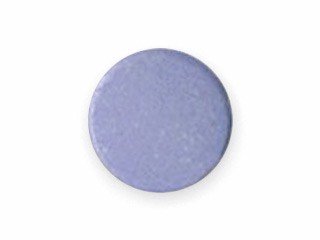
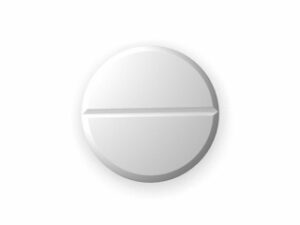
| Available Forms & Strengths | Tablets: 15 mg and 30 mg |
| Manufacturers | Otsuka Australia Pharmaceutical Pty Ltd |
| Prescription Status | Prescription-only (Schedule 4: Prescription Medicine, PBS-restricted) |
Mechanism of Action
For Patients: Samsca contains the active ingredient tolvaptan. It helps your body remove excess water while keeping your blood salts in balance. It does this by blocking a hormone (vasopressin) that usually tells your kidneys to hold onto water. By blocking vasopressin, Samsca allows your body to release more water in urine without losing sodium—helping correct low sodium (hyponatremia) safely.
For Health Professionals: Tolvaptan is a selective, competitive vasopressin V2-receptor antagonist, increasing free water clearance (aquaresis) without causing significant sodium or potassium loss. This leads to a rise in serum sodium levels in the management of clinically significant euvolemic and hypervolemic hyponatremia, including SIADH.
Pharmacokinetics
- Absorption: Rapid oral absorption; peak plasma levels reached within 2–4 hours.
- Metabolism: Extensively metabolised in the liver, predominantly via CYP3A4.
- Elimination: Primarily via the faeces (59%), with renal excretion accounting for less than 40%.
- Duration of Action: Its aquaretic effect lasts roughly 12 hours per dose.
- Half-life: Approximately 3–12 hours depending on individual metabolism.
Use in Everyday Life & Best Practices
Samsca is usually started in hospital settings for safety reasons. Once stable, it may be continued at home under close medical supervision, particularly when treating conditions such as:
- Hyponatremia: Especially when caused by SIADH (Syndrome of Inappropriate Antidiuretic Hormone Secretion), heart failure, or cirrhosis.
- Autosomal Dominant Polycystic Kidney Disease (ADPKD): A newer indication under specialist care.
Your typical starting dose, adjusted by your doctor, may begin at 15 mg once daily, increased in increments to a maximum of 60 mg if needed. Never alter the dose yourself.
- Take once daily, usually in the morning.
- Can be broken/crushed only if approved by your healthcare provider.
- Maintain regular blood tests as directed, especially sodium and liver function.
Dosing: Morning vs Evening
Morning dosing is generally preferred, because:
- Diuresis (increased urination) is more manageable during daytime activities.
- Reduces risk of overnight dehydration or accidental nighttime falls.
- Lowers the chance of sleep disruption from frequent urination.
Evening dosing can lead to disturbed sleep and increased nocturia (night-time urination). For people with variable routines (e.g., shift workers), work with your GP or pharmacist to tailor the schedule.
Taking Samsca with Food or on an Empty Stomach
Samsca can be taken with or without food. For most Australians, including those with typical English dietary habits (well balanced, moderate sodium intake), food does not substantially impact the medicine's effectiveness. However, taking it regularly at the same time each day—in relation to meals—can help you remember your dose.
- Avoid grapefruit or grapefruit juice—it can raise tolvaptan levels and risk side effects.
- Stay well-hydrated, but follow fluid advice from your doctor. Never drink excessive fluids while on Samsca.
Interaction Warnings
| Interaction | Effect | Advice |
|---|---|---|
| Grapefruit/Grapefruit juice | Raises tolvaptan blood levels | Avoid completely |
| Alcohol | Increased dehydration risk | Limit alcohol, increase monitoring |
| Strong CYP3A4 inhibitors (e.g., ketoconazole, clarithromycin, ritonavir) | Significant increase in tolvaptan levels | Do not use together |
| CYP3A4 inducers (e.g., rifampicin, carbamazepine, St John’s wort) | Reduces tolvaptan effectiveness | Avoid if possible |
| Other diuretics | Risk of excessive fluid and electrolyte loss | Use only as directed by your doctor |
| Hypertonic saline (IV) | Risk of rapid sodium increase | Monitor closely |
| Certain antibiotics/antifungals | Potential interaction | Consult doctor/pharmacist before starting |
Indications
| Indication | Status | Notes |
|---|---|---|
| Hyponatremia (SIADH, heart failure, cirrhosis) | Approved | For significant low blood sodium where standard treatments are unsuitable or failed. |
| Autosomal Dominant Polycystic Kidney Disease (ADPKD) | Approved | Reduces cyst growth and kidney function decline. Specialist prescribing only. |
| Off-label uses | Not routinely supported | All off-label use should be under hospital/specialist care in line with TGA guidance. |
Dosing According to Clinical Indications
| Indication | Age Group | Starting Dose | Maximum Dose |
|---|---|---|---|
| Hyponatremia (SIADH, etc.) | Adult | 15 mg once daily | 60 mg once daily |
| Hyponatremia | Elderly (65+) | Careful monitoring, start at 7.5-15 mg once daily | Up to 60 mg, monitor sodium frequently |
| Hyponatremia | Children | Not generally recommended. Use only in clinical trial/specialist settings. | - |
| ADPKD | Adults | 60 mg daily, divided into two doses (45 mg morning/15 mg 8 hrs later) | Up to 120 mg daily in divided doses |
Each dose should be tailored to individual response and tolerance after hospital initiation.
Safety Profile and Side Effects
| Category | Description |
|---|---|
| Common | Thirst, dry mouth, increased urination, constipation, tiredness |
| Occasional | Low blood pressure, dizziness, dehydration, increased blood sugar |
| Rare/Serious | Liver injury (jaundice, dark urine, abdominal pain), rapid sodium increase, allergic reactions |
- Report yellowing of eyes/skin, severe tiredness, or unexplained bruising immediately.
- Contact healthcare provider for severe thirst, confusion, or urination problems.
Guidelines for Proper Use: Pharmacist Advice
- Always take Samsca as prescribed by your doctor.
- Do not increase, skip, or stop doses without speaking with your doctor or pharmacist.
- Monitor your weight and fluid intake, as directed. Do not overhydrate.
- Attend all scheduled blood tests for sodium and liver function.
- Keep a list of all medicines you take and share with your pharmacist at every visit.
- Inform your doctor if you are pregnant, planning pregnancy, or breastfeeding.
- Store tablets below 25°C, away from moisture and out of reach of children.
- Dispose of any unused medication safely at your local pharmacy.
Alternative Treatment Options
- Fluid Restriction: Still the first-line treatment for mild hyponatremia. No cost, but often not tolerated by patients.
- Hypertonic Saline (Hospital): Used for severe symptoms under medical supervision.
- Other Medicines: Demeclocycline (rare use), loop diuretics, or urea—each with their own advantages and side effects.
- Lixivaptan and Conivaptan: Not currently approved in Australia as of 2024.
| Alternative | Pros | Cons |
|---|---|---|
| Fluid Restriction | No medication cost, safe for mild cases | Often poorly tolerated, slow response |
| Hypertonic Saline | Rapid correction, supervised care | Hospital only, risk of overcorrection |
| Tolvaptan | Convenient, predictable, oral use | Prescription only, cost, possible liver side effects |
| Demeclocycline | Used if others fail | Kidney toxicity, rarely available |
Legal, Registration, and Reimbursement Status in Australia
Samsca (tolvaptan) is approved by the Therapeutic Goods Administration (TGA) for use in Australia. It is classified as a Schedule 4 prescription medicine and is available only under specialist prescription. Certain indications (e.g., hyponatremia due to SIADH) are subsidised by the Pharmaceutical Benefits Scheme (PBS) under specific criteria. For ADPKD, reimbursement also follows strict PBS guidelines requiring specialist support.
Latest Research and Clinical Guidelines (2022–2025)
- Tolvaptan maintains clinical value for SIADH-related hyponatremia and is the only disease-modifying treatment for ADPKD in Australia (Australasian Kidney Trials Network, 2023).
- Liver test monitoring is emphasised in recent guidance due to rare but serious hepatic side effects (Kidney Health Australia Guidelines 2024).
- Dietary and fluid advice should be individualised and regularly reviewed (Australian Government Health Department, 2023).
- Emerging evidence supports long-term safety in selected ADPKD patients, but continued real-world surveillance is advised (NEJM, 2024).
Availability and Delivery in Australia
| Pack Size | Strengths Available | Indicative PBS Price | Private Price | Estimated Delivery (Sydney, Melbourne, Brisbane, Perth, Adelaide) |
|---|---|---|---|---|
| 30 tablets | 15 mg, 30 mg | $41.12 (PBS copayment) | $480–$540 (private) | 1–2 business days (major cities), 2–4 days (regional) |
| 60 tablets | 15 mg, 30 mg | $41.12 (twice for two packs, on PBS) | $950–$1,050 (private) | 1–3 business days (major cities), 3–5 days (regional/remote) |
Frequently Asked Questions (FAQ)
- Can I drive or operate machinery while taking Samsca?
Samsca may cause dizziness, especially as your body adjusts. Do not drive or use heavy machinery if you feel light-headed or unwell. - How will I know if Samsca is working?
Improved symptoms of low sodium (less confusion, better energy) and regular blood tests showing normalising sodium are good signs. Responses vary—always follow up with your doctor. - What should I do if I miss a dose?
Take it as soon as you remember if it’s within a few hours. If it’s almost time for your next dose, skip the missed dose—never double up. Inform your doctor if you frequently forget doses. - Can I drink coffee or tea on Samsca?
In moderation, yes. These drinks don’t interact with Samsca—but too much may worsen dehydration. Stick to your doctor’s fluid recommendations. - Is Samsca safe in pregnancy or breastfeeding?
Samsca is not routinely recommended in pregnancy or while breastfeeding. Discuss with your specialist for safer options.
If you have further questions, consult your local pharmacist or GP. Report unexpected symptoms immediately and attend all scheduled follow-up appointments for optimal results.