

Digoxin — Comprehensive Patient Guide for Australia
Basic Product Information
| International Non-proprietary Name (INN) | Digoxin |
|---|---|
| Common Australia Brand Names | Lanoxin, Sigmaxin, Lanoxicaps, Generic Digoxin |
| ATC Code | C01AA05 |
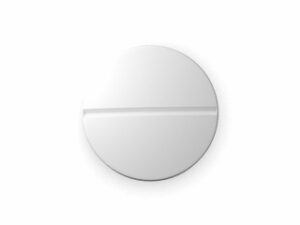
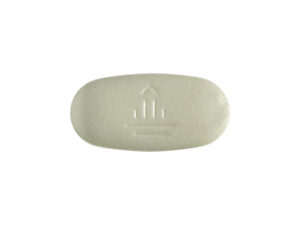
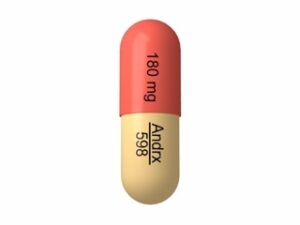
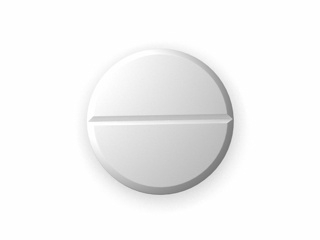
| Available Forms & Strengths |
|
| Manufacturers (Australia) | Aspen Pharmacare, Sigma Pharmaceuticals, Mylan, Arrow Pharmaceuticals |
| Prescription Status | Prescription only medicine (Schedule 4, PBS listed) |
Mechanism of Action
In simple terms: Digoxin helps your heart work more efficiently. It strengthens each heartbeat, making it pump more blood with less effort, and slows down the heart rate if it is too fast or irregular.
For specialists: Digoxin is a cardiac glycoside. It inhibits the sodium-potassium ATPase pump in cardiac myocytes, leading to increased intracellular sodium and subsequent calcium influx via the sodium–calcium exchanger. This enhances myocardial contractility (positive inotropic effect), suppresses atrioventricular (AV) node conduction, and increases vagal tone.
Pharmacokinetics
- Absorption: Oral bioavailability is 70–80% for tablets and up to 100% for intravenous forms.
- Metabolism: Minimally metabolised (<10% in most adults); primary route of elimination is renal excretion unchanged.
- Elimination: Half-life is ~36–48 hours in adults with normal kidney function; extends up to 3–5 days in patients with kidney impairment.
- Duration of action: Effects may persist for several days after stopping; steady-state achieved after 7–10 days when dosed daily.
Use in Everyday Life and Best Practices
Digoxin is most commonly used for chronic heart failure (usually when other treatments are not sufficient) and for certain irregular heart rhythms, such as atrial fibrillation or atrial flutter, particularly when rate control is needed.
- Typical doses: Adults often start with 62.5–250 micrograms daily, usually adjusted by your doctor based on kidney function, age, and body weight.
- Children and elderly usually require lower doses — always follow dosing strictly as prescribed.
- Do not stop taking Digoxin suddenly without consulting your doctor.
- Missed dose? Take it as soon as you remember, unless it's almost time for your next dose. Never double up.
- Regular blood tests are essential to ensure safe digoxin levels.
Store tablets in a cool, dry place away from sunlight, as recommended by the TGA and Australian pharmacy standards.
Dosing: Morning vs Evening
- Morning dosing: Often preferred for better adherence and routine; may reduce risk of missed doses as you are less likely to forget in the morning.
- Evening dosing: May be suitable for shift workers or if it fits your lifestyle, but avoid taking with a large evening meal (see below).
- Tip: Take Digoxin at the same time every day to maintain steady drug levels in your body.
Taking with Food or on an Empty Stomach
- Digoxin can be taken with or without food, but high-fibre foods (common in English diets, such as bran cereals or wholegrain breads) can reduce absorption.
- If possible, take Digoxin 1 hour before meals or 2 hours after meals for best absorption.
- Avoid taking with antacids, dairy, or over-the-counter supplements containing psyllium or kaolin (check with your pharmacist).
- Maintain a balanced diet; steady potassium levels are important for heart safety, so eat a variety of fruits and vegetables unless restricted by your doctor.
Interaction Warnings
| Type of Interaction | Details | Practical Advice |
|---|---|---|
| Food (High-fibre) | May reduce drug absorption and effectiveness. | Avoid large high-fibre meals close to dosing. |
| Dairy Products | Can reduce absorption of the tablet form. | Take Digoxin separately from dairy by at least 1–2 hours. |
| Alcohol | Alcohol may worsen heart rhythm problems. | Limit or avoid alcohol while on Digoxin. |
| Medications: Amiodarone, Verapamil, Diltiazem, Quinidine | May increase digoxin levels and risk of toxicity. | Inform your doctor/pharmacist if starting or stopping these drugs. |
| Diuretics (especially thiazides, loop diuretics) | Increased risk of low potassium, raising Digoxin side effect risk. | Regularly monitor potassium; inform your care team of all medicines. |
| Antacids or Kaolin-pectin | Decrease Digoxin absorption. | Space doses by at least 2 hours. |
Indications for Use
| Official Indications | Off-label/Other Uses |
|---|---|
|
|
Dosing According to Clinical Indications
| Indication & Patient Group | Usual Starting Dose | Maintenance Dose | Special Notes |
|---|---|---|---|
| Adult, heart failure or atrial fibrillation | 125–250 micrograms once daily | 62.5–250 micrograms daily, individualised | Reduced dose in elderly, those with kidney disease, or low body weight |
| Elderly (<70 years) | 62.5 micrograms once daily | 62.5–125 micrograms daily | Monitor more frequently for side effects |
| Children (specialist use) | Check local paediatric guidelines | Typically 10–15 microg/kg/day divided into 1–2 doses | Close monitoring, dose adjustments often needed |
| Renal impairment | Consult specialist; starting doses should be lower | Adjusted per response & serum level monitoring | Close monitoring of kidney function and digoxin levels |
Safety Profile and Side Effects
| Frequency | Possible Side Effects | Warning Signs |
|---|---|---|
| Very common | Nausea, vomiting, loss of appetite, diarrhoea | Contact your doctor if symptoms persist |
| Common | Dizziness, confusion, visual disturbances (yellow/blurred vision), headache | Stop Digoxin and seek urgent care if severe or sudden |
| Rare | Heart rhythm changes (arrhythmias), severe allergic reactions | Urgently attend A&E or call 000 if palpitations, fainting, chest pain, severe rash or swelling occur |
| Chronic use | Breast enlargement in men, rash, depression (rare) | Report any new, persistent symptoms to your GP |
Guidelines for Proper Use (Australia)
- Take Digoxin exactly as prescribed. Never adjust your dose without medical guidance.
- Have regular blood tests for kidney function and digoxin levels, and keep your appointments.
- Carry medical identification stating you are taking Digoxin, especially if you have a heart condition.
- Inform your doctor about all other medicines or supplements you take — including over-the-counter drugs and herbal remedies (e.g., St John’s Wort).
- If you feel older, weaker, or have a sudden change in hearing, vision, or heart rate, notify your doctor promptly.
- Use the same pharmacy for your repeat prescriptions to ensure continuity of care.
- Ask your pharmacist for a medication calendar or reminder service if needed.
Alternative Treatment Options (PBS-Reimbursed)
- Beta-blockers (e.g., Bisoprolol, Metoprolol) — often first-line for rate control in atrial fibrillation; well tolerated but may cause fatigue or worsen some heart failure cases.
- Calcium Channel Blockers (e.g., Diltiazem, Verapamil) — effective for rate control, but can lower blood pressure.
- ACE Inhibitors & ARBs (e.g., Enalapril, Perindopril, Candesartan) — mainstay for chronic heart failure due to proven survival benefits.
- Mineralocorticoid Receptor Antagonists (e.g., Spironolactone) — benefits in selected heart failure patients.
- SGLT2 Inhibitors — newer agents for heart failure, recently funded under PBS for eligible patients.
Digoxin may be used in conjunction with these medicines when needed for symptoms or rhythm control, especially if other drugs are not effective or tolerated.
Legal, Registration, and Reimbursement Status in Australia
- Registered with the Therapeutic Goods Administration (TGA) as a S4 (prescription-only) medicine.
- Available through the PBS for approved indications (heart failure, atrial fibrillation).
- Patients pay the general or concessional PBS co-payment per box; Safety Net provisions may apply for frequent users.
- Dispensing by registered pharmacies only; pharmacist consultation required at first supply and for counselling.
Latest Research and Clinical Guidance (2022–2025)
- Recent Australia/New Zealand Cardiac Society guidelines (2023) confirm Digoxin's role as an adjunct for symptom relief in heart failure with persistent atrial fibrillation, or as a third-line agent after beta-blockers/calcium channel blockers for rate control.
- Growing evidence supports lower starting doses and more frequent monitoring in frail elderly Patients (“START” trial, Circulation, 2023).
- No increased risk of all-cause mortality from low-dose, appropriately monitored Digoxin (Lancet, 2024); risk primarily in overdose/misuse.
- New SGLT2 inhibitors (dapagliflozin, empagliflozin) shown superior for heart failure survival, but Digoxin remains important for symptom/rate situations.
Always discuss recent advances and changes in therapy with your GP or specialist.
Availability and Delivery
| Form/Strength | PBS Pack Size | Typical Price to Patient | Main Delivery Times (Metro Areas) |
|---|---|---|---|
| Tablets, 62.5 mcg | 60 tablets | $7.70 (concessional); $30.00 (general PBS) |
|
| Tablets, 250 mcg | 60 tablets | $7.70 (concessional); $30.00 (general PBS) |
|
| Oral Solution | 50 mL (50 mcg/mL) | $7.70–$12.00 (PBS) | Available by order — allow 3–5 business days |
| Injection Ampoules | 10 x 2 mL | Hospital supply only | Supplied directly to clinics when needed |
For most metro deliveries, order processing is typically same-day, with small package tracked shipping in compliance with Medicines Australia best practice.
FAQ – Frequently Asked Questions
- Can I drink coffee or tea while taking Digoxin?
Yes, moderate consumption is permitted, but excessive caffeine may occasionally overstimulate the heart. Ensure good hydration. - What happens if I accidentally take two doses?
Do not take any more Digoxin that day. Contact your doctor or pharmacist for advice, especially if you feel unwell. - Is it safe to take Digoxin with my blood pressure medication?
Often yes, but always inform your doctor/pharmacist as some combinations require closer monitoring to avoid side effects or interactions. - Will Digoxin cure my heart condition?
Digoxin helps manage your symptoms and can improve your quality of life, but it is not a cure. Continue with other lifestyle and medication recommendations from your care team. - How long will I need to take Digoxin?
Many people take Digoxin long-term. Your doctor will regularly review whether you still need it and if your dose should change.
For further personalised advice about Digoxin, discuss your care with your GP, cardiologist, or community pharmacist. Report any sudden side effects or new symptoms promptly to your healthcare team.