
Cartia XT (Diltiazem Hydrochloride): Comprehensive Patient Information
Basic Product Information
| International Non-Proprietary Name (INN) | Diltiazem Hydrochloride |
|---|---|
| Australia Brand Names | Cartia XT, Cardizem CD, Dilzem, Vasocardol SR |
| ATC Code | C08DB01 |
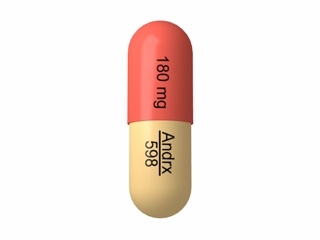
| Available Forms & Strengths | Extended-release capsules: 120 mg, 180 mg, 240 mg, 300 mg, 360 mg |
| Manufacturers (AU) | Viatris, Pfizer Australia, Alphapharm |
| Prescription Status | Prescription Only Medicine (Schedule 4, Rx) |
Mechanism of Action
In simple terms:Cartia XT contains diltiazem, which belongs to a group of medicines called “calcium channel blockers.” It works by relaxing and widening the blood vessels and slowing the heart rate, making it easier for your heart to pump blood. This helps to lower blood pressure and reduce chest pain (angina).
For specialists:Diltiazem blocks L-type calcium channels in myocardial and vascular smooth muscle cells. This restricts calcium ion entry, reducing myocardial contractility, heart rate (negative chronotropy), and conduction across the AV node (negative dromotropy). It also induces peripheral vasodilation, leading to decreased systemic vascular resistance and afterload.
Pharmacokinetics
- Absorption: Extended-release (XR) preparations provide gradual absorption with peak plasma levels at 6–11 hours.
- Metabolism: Extensively metabolised in the liver by CYP3A4 isoenzyme to desacetyl diltiazem and other active/inactive metabolites.
- Elimination: Mainly eliminated via urine (60–70%), some via faeces (30–40%). Elimination half-life: ~6–9 hours (longer in XR forms).
- Duration of action: Once daily dosing with extended-release forms maintains steady effect for 24 hours.
Use in Everyday Life and Best Practices
Cartia XT is prescribed for adults to treat high blood pressure (hypertension), chronic stable angina, and some types of heart rhythm disturbances (such as atrial fibrillation). It may also be used off-label for other conditions as prescribed by your doctor.
- Typical Adult Dosage: 180–360 mg once daily (dose varies by individual response and condition).
- Capsules should be swallowed whole with water, not crushed or chewed. This ensures the medicine is released slowly over the day.
- Always take your medicine at the same time each day to maintain consistent blood levels and optimal effect.
- Never adjust your dose or stop taking Cartia XT without consulting your GP, even if you feel well.
- If you forget a dose, take it as soon as you remember unless it’s almost time for your next dose. Do not double up to make up for a missed dose.
Dosing in the Morning vs Evening
Both morning and evening dosing are acceptable and may depend on your daily routine, blood pressure variations, or doctor’s advice:
- Morning dosing: May help control blood pressure during periods of daytime activity and stress. Easier for those with a morning medication habit.
- Evening dosing: Useful if your blood pressure peaks at night or early morning (“morning surge”). May reduce risk of morning angina.
- Tips: Choose a time you can consistently remember (e.g., with breakfast or brushing your teeth). If unsure, ask your GP or pharmacist for advice tailored to your condition and lifestyle.
Taking With Food or on an Empty Stomach
- Extended-release diltiazem (Cartia XT): Can be taken with or without food. However, taking it at the same state (fed or fasting) each day is recommended for consistency.
- High-fat meals may increase absorption and peak effect. In Australia, a typical morning breakfast doesn’t pose a significant issue, but patients with high-fat diets should discuss with their doctor if concerns arise.
- Swallow the capsule whole, do not chew/crush, and take with a glass of water.
Interaction Warnings
| Type | Interaction Details | Practical Advice |
|---|---|---|
| Food | Grapefruit juice may increase diltiazem levels (potentiating effects/side effects). | Avoid grapefruit juice and products. |
| Alcohol | May potentiate blood pressure lowering and increase dizziness. | Limit alcohol; do not drive if affected. |
| Other Medicines |
| Inform your doctor and pharmacist of ALL medicines, vitamins, or supplements you’re taking. |
| Herbal Medicines | St John’s Wort (hypericum) may reduce effectiveness. | Avoid unless your doctor advises otherwise. |
Indications
| Use | Official TGA Indication? |
|---|---|
| Hypertension (high blood pressure) | Yes |
| Stable angina pectoris | Yes |
| Arrhythmias (superventricular tachycardia, atrial fibrillation/flutter) | Yes |
| Raynaud’s phenomenon, chronic coronary artery disease, prevention of migraine | Off-label (specialist discretion) |
Dosing According to Clinical Indication
| Population | Indication | Typical Dose | Notes |
|---|---|---|---|
| Adult | Hypertension/Angina | 180–360 mg once daily (XR) | Titrate in 60–120 mg increments once/twice weekly |
| Adult | Arrhythmia | 120–360 mg/day (divided or XR form) | Specialist supervision required |
| Elderly | All indications | Start at lower end (120–180 mg/day) | Slower titration, monitor for hypotension/bradycardia |
| Paediatric | Rare/off-label, specialist only | 0.6–3.6 mg/kg/day divided doses | Under specialist care only |
Safety Profile and Side Effects
Most people tolerate Cartia XT well but all medicines can cause side effects. Notify your doctor if any of the following persist, worry you, or become severe:
- Common: headache, dizziness, slow heartbeat (bradycardia), ankle swelling/oedema, flushing, tiredness, nausea
- Occasional: constipation, skin rash, dry mouth, indigestion
- Rare/Serious: heart block, severe allergic reactions (swelling, rash, difficulty breathing), significant drop in blood pressure, liver dysfunction
- Use with caution in existing heart conduction problems, liver or kidney dysfunction, or elderly patients.
- May mask low blood sugar symptoms in people with diabetes.
Guidelines for Proper Use (Australia-specific Advice)
- Have your blood pressure, pulse rate, and any side effects checked regularly by your GP or practice nurse.
- Be “medicinewise”: carry a list of current medicines when visiting prescribers or the pharmacy.
- If you are an Aboriginal or Torres Strait Islander person, or live in rural/remote communities, seek regular review by local health services for optimal outcomes.
- Inform any specialist (hospital, dentist, allied health) you are taking diltiazem.
- If you become pregnant, plan pregnancy, or breastfeed, discuss continued use with your doctor.
- Store at room temperature, away from direct heat or moisture. Do not use past expiry date.
Alternative Treatment Options (PBS reimbursed medicines)
- Amlodipine: Another calcium channel blocker. Once daily, less likely to cause constipation or slow heartbeat, but may cause more leg swelling.
- Felodipine: Similar effects, also reimbursed; mainly for hypertension and angina.
- Beta-blockers (e.g., metoprolol): Good for angina and arrhythmia; caution in asthma and diabetes patients.
- ACE inhibitors and ARBs: Often preferred for hypertension, especially with diabetes or kidney disease.
- Thiazide diuretics: Well-tolerated, inexpensive, effective for blood pressure control.
- Comparative Summary: Diltiazem uniquely combines effects on heart rate, rhythm, and blood pressure; some alternatives lack this breadth but may suit specific patient profiles.
Legal, Registration, and Reimbursement Status in Australia
- Cartia XT (diltiazem XR) is registered on the Australian Register of Therapeutic Goods (ARTG), regulated by the Therapeutic Goods Administration (TGA).
- Available only by prescription (Schedule 4).
- Reimbursed on the Pharmaceutical Benefits Scheme (PBS) for approved indications, subject to standard prescription and co-payment charges.
- Not listed as a controlled drug. Not subsidised for off-label uses except under authority approval.
Latest Research and Clinical Guidance (2022–2025)
- 2023 Australian Hypertension Guidelines (NPS MedicineWise, Heart Foundation): Non-dihydropyridine calcium channel blockers, such as diltiazem, recommended as second-line or additional therapy especially if heart rate control is needed.
Source: National Heart Foundation of Australia—Clinical Guidelines for Hypertension 2023. - Recent meta-analyses (The Lancet, 2022–2024): Extended-release diltiazem is effective for reducing major hypertension/angina endpoints but less preferred over amlodipine for isolated systolic hypertension. Cardiac rhythm control remains a key specialty use.
Source: Joffe HV et al., The Lancet 2023; Marwick TH, MJA 2024. - Prescribing in advances in arrhythmia management (ESC 2022, Cardio 2023): Diltiazem recognised as vital in rate control for atrial fibrillation, especially when beta-blockers are contraindicated.
Source: Cardio Australia, ESC Guidelines updates 2022/24.
Availability and Delivery in Australia
| Pack Size | Strength(s) | Indicative PBS Price* |
|---|---|---|
| 28 capsules | 120 mg, 180 mg, 240 mg, 360 mg | $16.10 (General co-payment), $7.30 (Concession) – as of June 2024 |
| 56 capsules | 180 mg, 240 mg, 360 mg | $32.20 (General), $14.60 (Concession) |
*Prices may vary/subject to annual PBS updates and pharmacy mark-up. Valid prescription required.
| City | Delivery Time (Standard/Express) | Availability (as of June 2024) |
|---|---|---|
| Sydney | 1–2 days / Same-day express | In stock |
| Melbourne | 1–2 days / Same-day express | In stock |
| Brisbane | 2–3 days / Next day | In stock |
| Perth, Adelaide, Canberra, Hobart | 2–4 days | In stock |
| Rural/Remote | Up to 7 days (varies) | Ring ahead to check stock |
Frequently Asked Questions (FAQs)
- Can I stop Cartia XT suddenly?
No—stopping suddenly may worsen chest pain or increase blood pressure. Always consult your doctor for a safe plan to stop or switch medication. - Is Cartia XT safe in pregnancy or breastfeeding?
The safety of diltiazem in pregnancy or breastfeeding is not established; use only if clearly needed and after discussion with your doctor. - What should I do if I miss a dose?
Take the missed dose as soon as you remember, unless it’s near the next dose. Do not double the next dose. Resume your usual schedule the next day. - Can I take Cartia XT with my usual blood pressure tablets?
Diltiazem may interact with some blood pressure or heart medicines. Always inform your doctor and pharmacist about all your medications so potential interactions can be safely managed. - What dietary or lifestyle changes help while taking Cartia XT?
Healthy lifestyle (stop smoking, healthy diet low in salt and saturated fat, regular walking or exercise) can improve blood pressure and heart health alongside your medication.
Please consult your GP, pharmacist, or specialist for personalised advice regarding Cartia XT. For after-hours or urgent concerns, consider contacting Healthdirect Australia (1800 022 222) or your local emergency services.