Nimotop (Nimodipine): Patient Information for Australia
Basic Product Information
| International Non-Proprietary Name (INN) | Nimodipine |
|---|---|
| Common Australian Brand Names | Nimotop (most widely used), various generics |
| Anatomical Therapeutic Chemical (ATC) Code | C08CA06 |
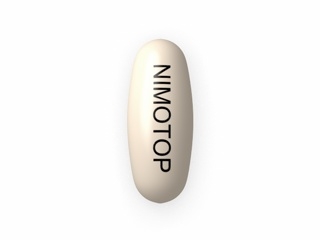
| Available Forms and Strengths | Oral tablets (30 mg), Oral solution (e.g., 10 mg/50 mL), and injectable form for in-hospital use |
| Manufacturers | Bayer Australia Ltd., local generic manufacturers |
| Prescription Status | Prescription Only Medicine (Schedule 4) |
Mechanism of Action
Simple Explanation: Nimodipine belongs to a group of medicines called calcium channel blockers. It works by relaxing and widening blood vessels in the brain, improving blood flow and reducing the risk of brain damage after certain types of bleeding.
For Specialists: Nimodipine is a dihydropyridine calcium channel antagonist, selectively inhibiting L-type calcium channels in cerebral vascular smooth muscle. This leads to cerebral vasodilation, reduced risk of delayed ischaemic neurological deficits, and improved outcomes after aneurysmal subarachnoid haemorrhage (aSAH).
Pharmacokinetics
- Absorption: Rapidly and extensively absorbed after oral administration. Bioavailability is reduced by first-pass hepatic metabolism (approx. 13%).
- Metabolism: Liver metabolism primarily by CYP3A4 enzymes.
- Elimination: Eliminated via urine and faeces (mainly as inactive metabolites).
- Half-life/Duration: Approximately 8–9 hours (oral). Duration of cerebral vasodilator effect may exceed plasma half-life.
Use in Everyday Life and Best Practices
- Indication: Preventing and treating neurological deficits after aneurysmal subarachnoid haemorrhage (SAH).
- Typical Adult Dose: 60 mg orally every 4 hours, started within 96 hours after the SAH and continued for 21 days.
- Tablets: Swallow whole with water. Do not chew or crush.
- Oral Solution: Measure dose precisely using provided syringe or cup. Follow with water if recommended.
- Injections: Given only in hospital settings under specialist care.
- Missed Dose: Take as soon as remembered unless it’s almost time for the next dose. Do not double dose.
- Driving: May cause dizziness—take care when driving or operating machinery.
- Storage: Store below 25°C. Protect from light.
Dosing: Morning vs Evening
- Nimotop is typically dosed every 4 hours, maintaining even blood levels throughout day and night.
- Morning doses: May help with adherence if taken with other morning medicines. Ensure doses are spaced.
- Evening doses: Night-time dosing is necessary if prescribed as 6 times daily. Setting reminders or alarms can help maintain regularity.
- Tip: Integrate doses with meal or routine times for best adherence. Avoid doubling up if a dose is missed. If in hospital, nurses will manage times.
Taking With Food or on an Empty Stomach
- Food effect: Taking Nimodipine with food may reduce absorption and lower blood levels.
- Australian Practice: Usually given on an empty stomach, at least 30 minutes before or 2 hours after meals.
- Note: Some foods, particularly grapefruit or its juice, should be avoided (increases risk of side effects).
Interaction Warnings
| Item | Interaction | Advice |
|---|---|---|
| Grapefruit or Grapefruit Juice | May raise nimodipine blood levels, increasing side effect risk | Avoid completely while taking Nimotop |
| Alcohol | Can further lower blood pressure, increase dizziness/fainting | Limit or avoid alcohol consumption |
| Other Blood Pressure Medicines | Additive effects, risk of low blood pressure | Inform doctor of all heart/blood pressure medicines |
| Strong CYP3A4 inhibitors (e.g. ketoconazole, erythromycin, some antivirals) | Raise nimodipine levels, risk of side effects | Tell your doctor about all your medicines |
| Anticonvulsants (phenytoin, carbamazepine) | May lower nimodipine levels, reduce effect | Check with your doctor, dose adjustment may be needed |
| St John's Wort | Herbal remedy reduces nimodipine effect | Avoid use with Nimotop |
Indications
| Indication | Regulatory Approval |
|---|---|
| Prevention/treatment of ischaemic neurological deficits following aneurysmal subarachnoid haemorrhage (SAH) | Approved in Australia |
| Off-label: Other cerebral vasospasm prevention | Occasional off-label use |
| Off-label: Dementia, traumatic brain injury, migraine, cognitive dysfunction | Not approved; limited evidence; specialist supervision required |
Dosing According to Clinical Indications
| Indication/Population | Usual Dose | Duration |
|---|---|---|
| Adults (SAH prevention) | 60 mg orally every 4 hours | Up to 21 consecutive days |
| Elderly | As above, with caution; may need blood pressure monitoring | Up to 21 days |
| Children | Not routinely recommended; safety/efficacy not established | Specialist team may advise case-by-case |
| Renal or Hepatic Impairment | Lower initial doses may be advised | As above, with close supervision |
Safety Profile and Side Effects
Like all medicines, Nimotop can cause side effects, though not everybody gets them.
| Frequency | Possible Side Effects | When to Seek Help |
|---|---|---|
| Common (>1%) | Low blood pressure, headache, dizziness, flushing, nausea | If severe or persistent |
| Uncommon | Increased heart rate (palpitations), feeling tired, swelling of ankles/legs | If troublesome |
| Rare | Allergic reactions, skin rashes, liver problems, confusion | Seek medical attention immediately |
| Serious | Signs of severe low blood pressure (fainting, severe dizziness), chest pain, yellowing of skin/eyes | Call 000 or get urgent care |
Always inform your healthcare provider of any symptoms not listed above.
Guidelines for Proper Use
- Take at regular 4-hour intervals for full effectiveness, including through the night unless advised otherwise.
- Keep a dosing diary or use a smartphone reminder.
- Swallow tablets whole with a glass of water; do not chew or crush.
- Do not lie down immediately after taking—helps avoid heartburn or nausea.
- If vomiting occurs soon after a dose, do not repeat dose without medical advice.
- Avoid grapefruit and grapefruit juice, which can interact with nimodipine.
- Consult your pharmacist about over-the-counter medicines, vitamins, or herbal products before use with Nimotop.
- In English hospitals, nurses will provide and supervise doses. After discharge, follow your neurologist’s instructions carefully.
- Let your GP or specialist know of any side effects, especially if severe or unexpected.
Alternative Treatment Options
- Calcium Channel Blockers (other): Other dihydropyridines like amlodipine and nifedipine are not effective for SAH-related vasospasm and not used for this indication.
- Endovascular Procedures: Balloon angioplasty or intra-arterial vasodilators may be used in hospital for refractory vasospasm.
- Supportive care: Includes blood pressure control, critical care support, and neurosurgical or neurointerventional options.
Comparative Overview: Nimodipine is the only medicine with a clear evidence base and PBS coverage for prevention of neurologic complications after aSAH. Alternative oral medicines are not reimbursed for this indication.
Legal, Registration, and Reimbursement Status in Australia
- Legal Status: Schedule 4 (Prescription Only Medicine) under the Therapeutic Goods Administration (TGA).
- Registration: Registered and monitored by the TGA.
- Reimbursement: Available on the Pharmaceutical Benefits Scheme (PBS) for SAH uses; script required from a hospital specialist or neurologist/neurosurgeon.
- Not subsidised: for off-label uses such as cognitive disorders, traumatic brain injury, or migraine.
Latest Research and Clinical Guidance (2022–2025)
- Australian Stroke Society guidelines (2023) and worldwide recommendations continue to support nimodipine as first-line for prevention of delayed ischaemic deficit after aSAH.
- Systematic reviews (Lancet Neurology 2022; Stroke 2024) reaffirm the efficacy and safety profile of nimodipine in reducing poor neurological outcomes after aneurysmal SAH.
- No strong evidence supports use in dementia, cognitive impairment, or head trauma; such uses should be limited to research settings.
- Research on extended/modified dosing or new oral formulations is ongoing (TGA updates 2024–2025).
- References available on request at your hospital pharmacy or on Medsafe/TGA websites.
Availability and Delivery
| Form/Pack Size | Typical Pack | Indicative PBS Price (patient co-contribution) | Standard Delivery (Metropolitan, Working Days) | Standard Delivery (Regional, Working Days) |
|---|---|---|---|---|
| Tablets 30 mg | 100 tablets (sufficient for one course) | $42.50 (PBS, concession discounts apply) | 1–2 days (Sydney, Melbourne, Brisbane, Adelaide, Perth) | 3–5 days (Hobart, Darwin, Cairns, regional WA/NT/QLD) |
| Oral Solution | 10 mg/50 mL, 10 packs | $58.30 (private, not always PBS-subsidised) | 1–2 days | 3–5 days |
Please note: Delivery times may be affected by public holidays and remote area access. Ask your pharmacy for urgent courier options if needed after hospital discharge.
Frequently Asked Questions (FAQ)
- Can I take Nimotop with my regular blood pressure tablets?
You must tell your doctor and pharmacist about all blood pressure medicines. Nimotop can lower blood pressure further, so doses of your usual medicines may need to be adjusted. - What should I do if I miss a dose?
Take the missed dose as soon as you remember, unless it’s nearly time for your next scheduled dose. Never take two doses at the same time. If you are unsure, consult your doctor or hospital team. - Is it safe to drink alcohol while taking Nimotop?
Alcohol may increase side effects such as dizziness and low blood pressure. It is recommended to avoid or limit alcohol while taking nimodipine. - What foods or drinks should I avoid?
Avoid grapefruit or grapefruit juice, as they can dangerously increase nimodipine levels in your body. Try to take doses on an empty stomach for best effect. - How long do I need to take Nimotop?
For SAH, typical treatment is for 21 consecutive days as prescribed by your neurologist. Always complete the full course unless your doctor advises otherwise.
For more information, speak with your hospital pharmacist, specialist, or visit the TGA, PBS, or Stroke Foundation websites.