Risperidone: Comprehensive Patient Information for Australian Patients
Basic Product Information
| International Non-Proprietary Name (INN) | Risperidone |
|---|---|
| Brand Names in Australia | Risperdal, Risperidone-Actavis, Risperidone Sandoz, Risperidone Apotex, Risperidone GH, and others |
| ATC Code | N05AX08 |
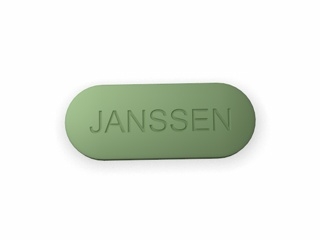
| Available Forms and Strengths |
|
| Manufacturers | Janssen-Cilag, Sandoz, Apotex, Actavis, Generic manufacturers |
| Prescription Status in Australia | Schedule 4 (Prescription Only Medicine) |
Mechanism of Action
For Patients: Risperidone is an antipsychotic medicine. It helps balance certain chemicals in the brain (mainly dopamine and serotonin) to improve mood, behaviour, and thinking, which can reduce symptoms of mental health conditions such as schizophrenia or bipolar disorder.
For Specialists: Risperidone exhibits high affinity for dopamine D2 and serotonin 5-HT2A receptors, with additional antagonism of α1-adrenergic and histaminergic receptors. This receptor profile offers antipsychotic efficacy with a reduced incidence of extrapyramidal side effects compared to first-generation antipsychotics.
Pharmacokinetics
- Absorption: Well absorbed orally; peak plasma concentrations occur 1–2 hours after tablet administration.
- Bioavailability: Oral bioavailability is approximately 70% (tablets), slightly lower for oral solution.
- Metabolism: Extensively hepatic, primarily via CYP2D6, forming 9-hydroxyrisperidone (active), with minor CYP3A4 involvement.
- Elimination: Via urine (approx. 70%) and faeces (~14%).
- Half-life: Risperidone—3–20 hours; active metabolite—20–24 hours.
- Duration of Action: Most symptoms controlled with once or twice daily dosing; depot injection delivers sustained release over 2 weeks.
Use in Everyday Life and Best Practices
Risperidone is prescribed in Australia for adults, adolescents, and children for a range of mental health conditions. Always follow prescriber instructions and do not adjust dosing without medical advice.
- Typical adult doses: 2–6 mg daily (divided if needed). Starting doses often lower and slowly increased.
- Pediatric use: Doses determined by specialist paediatrician/psychiatrist, often lower starting point.
- Elderly: Cautious titration, lower initial and maintenance doses due to sensitivity to side effects.
- Oral tablet or solution: Best taken at the same time(s) every day. May be split into morning and evening doses.
- Depot injection: Given by healthcare professional once every 2 weeks.
Patients are strongly advised to stick to their medication schedule, use a pillbox or phone reminder, and keep up with regular mental health reviews.
Dosing in the Morning vs Evening
- Morning dosing: Reduces risk of sleepiness affecting daily activities but may cause drowsiness in some people.
- Evening dosing: Can minimise impact of drowsiness; ideal if sedation is noted.
- If taking twice daily, evenly space doses. Consistency helps maintain drug levels and maximise effect.
- Discuss any side effects with your doctor—adjustments to dose timing may help reduce unwanted effects.
Taking with Food or on an Empty Stomach
Risperidone can be taken with or without food. Food does not significantly affect overall absorption, so you may take the medicine during or between meals. For many Australians, combining medication with meals (breakfast or dinner) helps establish a routine and can reduce stomach upset in those sensitive.
Interaction Warnings
| Item | Type of Interaction | Advice |
|---|---|---|
| CNS depressants (alcohol, sedatives, opioids) | Increased sedation/drowsiness | Avoid alcohol; caution with sedatives—may enhance drowsiness |
| Antihypertensives | Blood pressure lowering | May cause additive hypotension; monitor BP regularly |
| Carbamazepine | Reduced risperidone levels | Discuss with your doctor; dose adjustment may be required |
| SSRIs (e.g. fluoxetine, paroxetine) | Increased risperidone levels | May need dose adjustment; monitor for side effects |
| Drugs affecting heart rhythm (e.g. antiarrhythmics, certain antibiotics) | Risk of QT prolongation | Discuss any new medicines with your doctor or pharmacist |
| St John’s Wort | May reduce effectiveness | Avoid unless advised by a doctor |
| Grapefruit juice | Minor effect on metabolism | No major risk, but moderation advised |
Indications
| Condition | Official | Off-label |
|---|---|---|
| Schizophrenia | ✔ | — |
| Acute mania in bipolar disorder | ✔ | — |
| Behavioural disturbances in dementia (elderly) | ✔ | — |
| Persistent aggression in conduct disorder (children, adolescents) | ✔ | — |
| Autism spectrum disorder (irritability, aggression) | — | ✔ (specialist only) |
| Delusional disorder, severe agitation, or other psychoses | — | ✔ |
Dosing According to Clinical Indication
| Indication | Adults | Children/Adolescents | Elderly |
|---|---|---|---|
| Schizophrenia | Start: 1–2 mg daily, titrate to 4–6 mg/day (max 8 mg) | Start: 0.5 mg, titrate carefully. Max: 6 mg | Start: 0.5 mg, titrate up as tolerated. Max: 3–4 mg |
| Mania (Bipolar disorder) | 2–6 mg/day | Not routinely recommended (except specialist settings) | 0.5–2 mg/day |
| Behavioural disturbances/dementia | — | — | Start 0.25 mg twice daily, max 1 mg twice daily |
| Autism spectrum disorder (irritability) | — | Start: 0.25–0.5 mg, titrate slowly (max: 2.5 mg) | — |
Please note: All dosing should be individualised by your prescribing doctor. Tables above are guides—never adjust your dose without consulting your specialist.
Safety Profile & Side Effects
| Very Common/Common Side Effects | Uncommon/Rare Side Effects | Warnings |
|---|---|---|
|
|
|
*EPS = Extrapyramidal Symptoms (muscle stiffness, tremor etc); NMS = Rare but serious reaction—seek urgent medical attention if high fever, confusion, muscle rigidity develop.
Guidelines for Proper Use (Australian Practice)
- Always follow the directions on your medicine label or those from your doctor or pharmacist.
- Do not stop risperidone suddenly—sudden withdrawal can trigger symptoms or relapse; discuss with your doctor before making any changes.
- Avoid alcohol and recreational drugs while on risperidone.
- Attend regular medical reviews: your doctor may monitor weight, blood pressure, blood sugar, and cholesterol due to side effect risks.
- Let all healthcare providers know you are taking risperidone, especially before surgery, dental procedures, or when starting new medicines.
- If you miss a dose, take it as soon as you remember unless it is almost time for the next dose. Do not double-up doses.
- Store risperidone at room temperature, away from moisture and light—typical for the British climate.
- Keep all medicines out of the reach of children; ask your pharmacist about secure storage at home.
- Return unused medicine to your local pharmacy for safe disposal.
Alternative Treatment Options
- Other Second-Generation Antipsychotics:
- Olanzapine (Zyprexa): Effective, but may cause more weight gain/metabolic issues.
- Quetiapine (Seroquel): Useful for mood symptoms, often sedating.
- Aripiprazole (Abilify): Lower risk of weight gain, may cause akathisia (restlessness).
- Amisulpride, Paliperidone: Other newer options; available in AU, prescription required.
- First-Generation Antipsychotics:
- Haloperidol, chlorpromazine: Still used in specialist settings; higher risk of movement disorders.
- Choice depends on diagnosis, side effect risk, and patient response. All above are PBS subsidised with an appropriate authority.
Legal, Registration, and Reimbursement Status in Australia
- Regulatory Status: Risperidone registered by the Therapeutic Goods Administration (TGA Australia).
- Prescription Requirements: Schedule 4 (S4) prescription medicine. Must be prescribed by a qualified doctor.
- Reimbursement: Available under the Pharmaceutical Benefits Scheme (PBS) for schizophrenia, bipolar disorder, and other approved indications, subject to authority requirements.
- Supply: Community and hospital pharmacies. Dispensed only with a valid prescription.
- Check your Medicare card and Health Care Card entitlements for cost reductions or concessional co-payment rates.
Latest Research & Clinical Guidance (2022–2025)
- 2023 RANZCP Guidelines: Risperidone remains a recommended first-line option for schizophrenia in adults and adolescents, and for acute mania in bipolar disorder (RANZCP Clinical Practice Guidelines, 2023).
- Behavioural & Psychological Symptoms of Dementia (BPSD): Recent Australian reviews (2022–2025) stress lowest effective dose for shortest duration due to cardiovascular and cerebrovascular risk in elderly, with regular reviews (see: Brodaty H, Dement Geriatr Cogn Disord, 2024).
- Pediatric Use: Off-label use (e.g., for autism spectrum disorder) requires close specialist supervision—smallest effective dose, regular metabolic monitoring (MJA, 2022).
- Long-acting Formulations: Risperdal Consta and similar depot preparations increase adherence in patients with poor oral compliance (Australian Prescriber, 2023).
References:
- RANZCP Australian and New Zealand Clinical Practice Guidelines 2023.
- Brodaty H et al., Dement Geriatr Cogn Disord 2024.
- Australian Prescriber 46(5): 2023.
- MJA 217(10): 2022.
Availability and Delivery
- Pack Sizes: Tablets: typically supplied in 20, 60, or 100 tablet bottles. Oral solution: 30 mL and 100 mL bottles. Depot injection (Risperdal Consta): unit packs for fortnightly injections.
- Indicative PBS-subsidised prices: (as of June 2024: subject to change)
| Form | Pack Size | Estimated PBS Patient Contribution | Private Retail Price Range |
|---|---|---|---|
| Tablet 1 mg | 60 tablets | $7.30 (concession) / up to $30.00 (general) | $9–$50 |
| Oral solution 1 mg/mL | 30 mL | $7.30 / $30.00 | $15–$55 |
| Depot injection 25 mg | 1 vial | $7.30 / $30.00 | $120–$380 |
- Delivery Times (from major national pharmacy chains):
| City | Click & Collect | Home Delivery Estimate |
|---|---|---|
| Sydney | Same day | 1–2 business days |
| Melbourne | Same day | 1–2 business days |
| Brisbane, Gold Coast | Same day | 2–3 business days |
| Adelaide | Next day | 2–3 business days |
| Perth | 1–2 days | 3–5 business days |
| Regional/remote | — | 3–7 business days |
Confirm availability and price at your local pharmacy; home delivery subject to courier network and prescription verification.
Frequently Asked Questions
- How long until risperidone starts to work?
Some improvement in agitation or sleep may be seen within a few days, but full benefit for psychotic or mood symptoms can take 2–4 weeks. Continue taking the medicine as prescribed and attend all follow-ups. - Can I drink alcohol while taking risperidone?
Alcohol is not recommended while on risperidone as it may worsen drowsiness, increase the risk of falls, and reduce treatment effectiveness. - What should I do if I miss a dose?
Take the missed dose as soon as you remember—unless your next dose is nearly due. Never double-up doses. If you miss several doses, speak to your doctor before restarting. - Will I gain weight?
Weight gain can happen, especially in the first few months. Maintain a healthy diet, stay active, and discuss any concerns with your doctor or pharmacist. Regular monitoring is recommended. - Can I stop risperidone if I feel better?
No—always consult your doctor before stopping medication. Stopping suddenly can cause relapse or withdrawal effects.