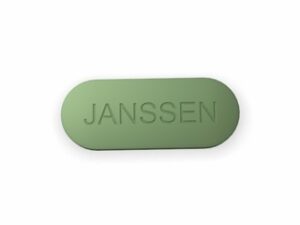
Risnia (Risperidone): Comprehensive Patient Guide for Australian Users
Basic Product Information
| International Nonproprietary Name (INN) | Risperidone |
|---|---|
| Australian Brand Names | Risnia, Risperdal, APO-Risperidone, Risperidon Sandoz, Rixadone, and others |
| ATC Code | N05AX08 |
| Manufacturers | Cipla, Janssen-Cilag, Sandoz, Apotex, and other generic suppliers |
| Available Forms & Strengths | Tablets: 0.5mg, 1mg, 2mg, 3mg, 4mg; Orodispersible tablets: 0.5mg, 1mg, 2mg, 3mg, 4mg; Oral solution: 1mg/mL; Long-acting injection (Risperidone LA/Risperdal Consta) |
| Prescription Status | Prescription Only Medicine (Schedule 4) |
Mechanism of Action
For Patients: Risnia contains the active ingredient risperidone which is classed as an atypical antipsychotic medicine. It works by helping to restore the balance of certain natural substances in your brain, mainly affecting dopamine and serotonin receptors. This helps control symptoms associated with certain mental health conditions, such as schizophrenia and bipolar disorder.
For Healthcare Professionals: Risperidone exhibits a high-affinity antagonism at serotonin 5-HT2 and dopamine D2 receptors. It also affects alpha1 and alpha2 adrenergic and H1 histaminergic receptors, accounting for its broad efficacy and side effect profile.
Pharmacokinetics
- Absorption: Well-absorbed after oral administration; peak plasma concentrations are reached within 1–2 hours for tablets. Food does not significantly affect total absorption but may slightly delay time to peak.
- Metabolism: Extensively metabolised in the liver, mainly via CYP2D6 to 9-hydroxyrisperidone (active). Both parent drug and metabolite contribute to its effect.
- Elimination: Excreted via urine (about 70%) and faeces (about 14%). The elimination half-life is roughly 3–20 hours, extended in those with impaired hepatic or renal function, or when using extended-release forms.
- Duration of Action: Typically requires 1–2 weeks for full therapeutic effect after dose adjustment. Depot injectables act over 2 weeks, with steady state reached after 3 injections.
Everyday Use and Best Practices in Australia
Typical Doses: The dose of Risnia is individualised. For schizophrenia and acute mania, starting doses for adults often range from 1 to 2 mg daily, gradually increased as necessary. Maintenance doses generally fall between 4 and 6 mg per day. Elderly and those with renal or hepatic impairment often start at lower doses.
How to Use: Risnia may be taken with or without food, once or twice daily as directed by your doctor. Swallow tablets whole with water. Orodispersible tablets can be placed on the tongue to dissolve. If using the oral solution, measure with the provided syringe or dropper; do not mix with cola or tea. Depot injections are administered by a healthcare professional.
- Follow your prescription instructions closely.
- Take your dose at the same time every day to maintain a steady level in your system.
- Do not stop the medicine abruptly unless advised by your doctor, as symptoms may return or worsen.
Dosing: Morning vs Evening
- Morning Dosing: Suitable for those experiencing drowsiness as a side effect in the evening or with early schedules. May be preferred if activating side effects (e.g., restlessness) are noticed.
- Evening Dosing: Recommended for most people, especially if Risnia causes drowsiness or sedation. May also reduce the impact of initial side effects, such as dizziness and sleepiness, during waking hours.
- Tips on Regularity: Consistency is key. Use reminders or a medication diary to support regular use. Consult your healthcare provider to adjust timing if you experience troublesome side effects.
Taking with Food or on an Empty Stomach
- With Food: Taking Risnia with meals does not significantly alter its effectiveness. Some people prefer taking it with food to reduce stomach upset.
- On an Empty Stomach: Also acceptable. Some patients find it easier to maintain regular dosing by linking it to another daily routine.
- Australian Dietary Habits: Adapt dosing to fit your meal patterns (e.g., breakfast or dinner) for best adherence.
Interaction Warnings
| Substance/Drug | Type of Interaction | Advice |
|---|---|---|
| Alcohol | Increased sedative effect | Avoid alcohol—may increase dizziness/drowsiness |
| CNS Depressants (e.g., benzodiazepines, opioids) | Enhanced sedation, respiratory depression risk | Use caution; inform your doctor |
| Antihypertensives | Possibly increased blood pressure lowering effect | Monitor blood pressure, report symptoms |
| Levodopa, Dopaminergic Agents | Reduced effect of Parkinson’s medication | Specialist supervision needed |
| CYP2D6 Inhibitors (e.g., fluoxetine, paroxetine) | Increased risperidone concentrations | Dose adjustment may be required |
| QT-prolonging drugs (e.g., amiodarone, erythromycin) | Increased risk of heart rhythm disturbances | ECG monitoring may be needed |
| Grapefruit Juice | Possible increased drug level | Best to avoid regular consumption |
Indications
| Condition | Official Use | Off-label Use | Comments |
|---|---|---|---|
| Schizophrenia | ✔️ | Adults and adolescents (13–17 years) | |
| Bipolar Disorder (acute mania) | ✔️ | Adults and children (10–17 years) | |
| Behavioural Disturbances in Dementia | ✔️ (short term only) | Use with caution; minimum effective doses | |
| Autism-Related Irritability | ✔️ | Specialist prescription, dose adjusted for paediatric use | |
| Severe Behavioural Problems in Children/Adolescents | ✔️ | Short term treatment only |
Dosing According to Clinical Indications
| Indication | Adults | Elderly | Children/Adolescents |
|---|---|---|---|
| Schizophrenia | 1mg twice daily, titrated to 4–6mg/day | Start at 0.5mg twice daily, titrate cautiously | (13–17yrs) 0.5mg/day, titrate to 3mg/day |
| Bipolar Disorder (acute mania) | 2–3mg once daily, increase as needed to 4–6mg/day | Start lower (0.5–1mg/day), titrate slowly | (10–17yrs) 0.5mg/day, titrate to 2.5mg/day |
| Behavioural Disturbances in Dementia | 0.25mg twice daily, up to 1–2mg/day if required | As above, but titrate with increased caution | Not generally recommended |
| Autism-Associated Irritability | Off-label | Off-label | (5–17yrs) 0.25mg/day, increase to 0.5–1.5mg/day |
Note: Dosing should always be personalised by a healthcare provider, particularly in children, elderly, or those with other medical conditions.
Safety Profile and Side Effects
As with all prescription medicines, Risnia may cause side effects. Most are mild or temporary, but be alert for serious reactions and seek medical advice for anything concerning.
| Frequency | Side Effects | Advice |
|---|---|---|
| Common (≥1/10) | Drowsiness, headache, sleep disturbance, increased saliva, weight gain, increased appetite, nasal congestion, anxiety, restlessness | Usually temporary. Inform your doctor if persistent |
| Less Common (1/100 – 1/10) | Dizziness, indigestion, constipation, tremor, blurred vision, muscle stiffness | Consult your doctor if troublesome |
| Rare (≤1/1,000) | Seizure, high blood sugar, breast swelling/pain, abnormal movements (involuntary), irregular heartbeat. | Seek urgent medical attention |
| Serious/Warnings | Severe allergic reactions, signs of Neuroleptic Malignant Syndrome (rigid muscles, fever, confusion), severe mood changes, persistent erection (priapism) | Stop medicine and seek urgent help |
Guidelines for Proper Use (Australasia)
- Have regular check-ups—including physical, weight, and blood tests—to monitor effects and reduce risks.
- Stay hydrated and maintain a balanced diet. If concerned about weight gain, ask your pharmacist or GP for diet/fitness advice suited to an Australian lifestyle.
- Store your medicine below 25°C, away from moisture and heat. Don’t leave medicines in the car or on windowsills in Australian conditions.
- Tell your pharmacist if you’re planning pregnancy/breastfeeding, have diabetes, heart, liver, or kidney issues.
- Carry an up-to-date medicines list with you in case of emergency or when visiting another doctor or hospital.
- Dispose of leftover or expired medicine safely through your pharmacy’s Return Unwanted Medicines (RUM) project (not in regular rubbish or down the sink).
Alternative Treatment Options
- Other atypical antipsychotics: e.g. aripiprazole (Abilify), olanzapine (Zyprexa), quetiapine (Seroquel), ziprasidone (Zeldox).
- Typical antipsychotics: e.g. haloperidol, chlorpromazine.
- Comparative Overview:
- Olanzapine: Effective for schizophrenia/bipolar; higher risk of weight/metabolic effects.
- Quetiapine: Good for mood/bipolar; more sedating, risk of orthostatic hypotension.
- Aripiprazole: Less sedating, lowers prolactin; can cause agitation/restlessness in some.
- All antipsychotic alternatives are listed on the Pharmaceutical Benefits Scheme (PBS), subject to eligibility. Discuss specific benefits, risks, and costs with your doctor or pharmacist.
Legal, Registration, and Reimbursement Status in Australia
- Registered with the Therapeutic Goods Administration (TGA).
- Listed as a Schedule 4 (Prescription Only Medicine).
- Eligible for subsidy under the Pharmaceutical Benefits Scheme (PBS) for approved indications and patient groups (adult schizophrenia, acute bipolar mania, behavioural disturbance in dementia).
- Private scripts available for off-label use; ask your GP or specialist about costs if using for other conditions.
- Further information may be found at TGA.gov.au or PBS.gov.au.
Latest Research and Clinical Guidance (2022–2025)
- Australian clinical guidelines continue to endorse risperidone as a first-line therapy for acute psychosis and short-term management of severe aggression in dementia (RACGP, 2023 update).
- Recent systematic reviews (Lancet Psychiatry, 2023) align risperidone efficacy/safety with other atypical antipsychotics, though monitoring for metabolic and movement-related side effects is emphasised.
- Australian Safety Advisory (TGA October 2023): Risperidone should be used at the lowest effective dose for the shortest time in elderly, owing to risk of cerebrovascular events and mortality in dementia care.
- Ongoing research is exploring long-acting injectable (LAI) forms for improving adherence in chronic mental illness care (Australian New Zealand Journal of Psychiatry, 2024).
Availability and Delivery
Risnia (risperidone) is widely available at pharmacies across Australia. Both branded and generic versions are stocked. Most local, community, and hospital pharmacies carry core strengths.
| Pack Size | Common Price Range (AUD)* | Delivery Time (Capital Cities) | Delivery Time (Regional/Rural) |
|---|---|---|---|
| 30 tablets (1mg, 2mg, 4mg) | $7 – $40 (PBS price lower; private scripts may vary) | Same day – 2 business days | 2 – 4 business days |
| Oral solution (30mL) | $30 – $50 | 1 – 3 business days | 3 – 7 business days |
| Depot injection (Risperdal Consta 25/37.5/50mg) | $180 – $260 per dose | Special order/clinic use | Available in major regional centres |
*Indicative prices as of June 2024. Costs may differ based on script type, prescriber, and pharmacy chosen.
Frequently Asked Questions (FAQ)
- Is Risnia addictive?
No, risperidone is not addictive, but it should not be stopped suddenly without consulting your doctor, as symptoms may return or worsen. - Can I drive or operate machinery while taking Risnia?
Some people may feel drowsy or dizzy. Avoid these activities until you know how Risnia affects you. - What should I do if I forget a dose?
Take the missed dose as soon as possible. If it's almost time for your next dose, skip the missed one and continue as normal. Do not double the dose. - Can I take Risnia while pregnant or breastfeeding?
Use in pregnancy or breastfeeding should only occur if clearly necessary, and under close medical supervision. Discuss with your doctor. - Will Risnia affect my weight?
Some people may notice increased appetite or weight gain. Maintaining a balanced diet and regular exercise can help manage this. Speak with your healthcare provider if concerned.
Disclaimer: This information is intended as a guide only and does not replace medical advice. Always consult your doctor or pharmacist regarding your individual circumstances and before making changes to your medication regimen.