Pulmicort (Budesonide): Comprehensive Patient Information for Australia
1. Basic Product Information
| International Non-proprietary Name (INN) | Budesonide |
|---|---|
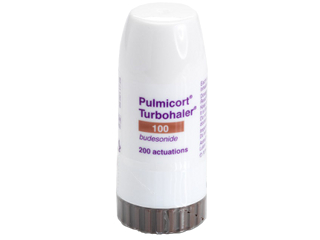
| Australian Brand Names | Pulmicort®, Entocort® |
| ATC Code | R03BA02 |
| Available Forms & Strengths |
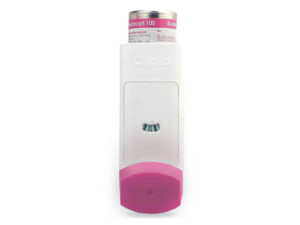
|
| Manufacturers | AstraZeneca, Generic options available |
| Prescription Status in Australia | Prescription only (Schedule 4 medicine) |
2. Mechanism of Action
Simple Terms:Budesonide is a corticosteroid (a type of medicine that reduces inflammation in your airways). By minimising swelling and irritation in your lungs, Pulmicort helps you breathe easier and reduces symptoms of asthma and other respiratory conditions.
Specialist Overview:Budesonide exerts anti-inflammatory effects via binding to glucocorticoid receptors, modulating gene expression in airway epithelial cells, reducing the release of pro-inflammatory mediators (e.g., cytokines, chemokines), and suppressing immune cell recruitment. This leads to decreased bronchial eosinophilia, hyperresponsiveness, and mucus production—helping to control chronic airway inflammation characteristic of asthma and COPD.
3. Pharmacokinetics
- Absorption: Inhaled budesonide has a systemic bioavailability of approximately 39%, as most is deposited in the lungs with a portion swallowed and metabolised in the gut.
- Onset of Action: Noticeable effect can usually be seen within a few days, with full therapeutic effect after 1–2 weeks of regular use.
- Metabolism: Extensively metabolised in the liver via CYP3A4 to inactive metabolites.
- Excretion: Mainly via urine (60%), with the remainder in the faeces.
- Half-life: Around 2–3 hours (in adults), shorter in children.
- Duration: Effects last throughout the dosing interval if used consistently.
4. Everyday Use & Best Practices in Australia
- Typical Doses:
- Adults: 200–800 mcg/day (in 1–2 divided doses).
- Children (over 6): Usually start at 100–400 mcg/day.
- How to Use:
- Use inhaler (Turbuhaler) or nebuliser as prescribed. Rinse mouth with water after inhalation to prevent oral thrush.
- Follow inhaler instructions for best results; your pharmacist or nurse can demonstrate technique in Australian pharmacies.
- English Context:
- Asthma and respiratory allergies are common in Australia, especially during spring. Pulmicort is often part of a tailored asthma management plan alongside “reliever” inhalers for sudden symptoms.
5. Dosing: Morning vs Evening
- Morning Advantages: Less risk of forgetting your dose; aligns with waking routines; may reduce insomnia in sensitive individuals.
- Evening Advantages: Helpful for nocturnal symptoms; may be part of a two-daily regimen.
- Tips: If prescribed once daily, take at the same time each day. If taking twice daily, space doses 10–12 hours apart. Use reminders or smartphone alerts to help maintain consistency.
6. Taking with Food or on an Empty Stomach
Inhaled budesonide (Pulmicort) can be used with or without food. Unlike some oral corticosteroids, it does not interact with meals and is suitable for use before or after typical English breakfasts, lunches, or dinners. Just avoid eating or drinking immediately after inhalation to ensure proper absorption in the airway.
7. Interaction Warnings
| Substance | Interaction | Advice |
|---|---|---|
| Grapefruit juice | May increase systemic levels of budesonide | Avoid regular consumption to reduce risk of side effects |
| Alcohol | No significant interaction, but alcohol can worsen asthma symptoms | Drink in moderation as per Australian Dietary Guidelines |
| Other corticosteroids | Risk of additive side effects | Inform your doctor if using oral or injectable steroids |
| Antifungal medicines (e.g., ketoconazole, itraconazole) | Can increase budesonide blood levels | Discuss with your pharmacist or doctor before starting |
| Macrolide antibiotics (e.g., clarithromycin) | May increase steroid side effects | Medical review is recommended |
| Immunosuppressants | Synergistic immune suppression | Greater infection risk – report fevers or illness |
8. Indications for Pulmicort (Budesonide)
| Indication | Use in Australia | Regulatory Status |
|---|---|---|
| Asthma maintenance (inhaled) | First-line preventative therapy | TGA-Approved |
| COPD maintenance | Only in combination with other drugs for select patients | TGA-Approved (with long-acting bronchodilator) |
| Croup (acute laryngotracheobronchitis) in children (nebulised) | Used in hospital or clinic settings | TGA-Approved |
| Allergic rhinitis, nasal polyps, ulcerative colitis (as oral/rectal, not standard inhaled) | Specialist off-label or alternative formulations | Conditional/Off-label |
9. Dosing According to Clinical Indications
| Condition | Adults | Children | Elderly |
|---|---|---|---|
| Asthma (maintenance) | 200–800 mcg/day in 1–2 doses; max 1600 mcg/day | 100–400 mcg/day; max 800 mcg/day | Standard adult dose; start low, titrate up |
| Croup (nebulised) | N/A | 2 mg as single or divided doses | N/A |
| COPD (with LABA) | Usually 200–400 mcg twice daily (in combination) | N/A | Monitor for side effects |
10. Safety Profile & Side Effects
Common Side Effects:- Hoarse voice
- Cough or throat irritation
- Oral thrush (white spots in the mouth or throat)
- Dry mouth
- Allergic reaction (rash, swelling, breathing difficulty)
- Adrenal suppression (from very high or prolonged doses)
- Growth suppression in children (rare and usually temporary)
- Eye problems (glaucoma or cataracts with long-term use)
| Side Effect | Frequency | What to Do |
|---|---|---|
| Oral thrush | Common | Rinse mouth after each use; notify GP if persistent |
| Voice changes | Common | Try using a spacer; speak to doctor if bothersome |
| Cough/irritation | Common | Use spacer or check inhaler technique |
| Growth concerns (children) | Rare | Monitor height; discuss changes with paediatrician |
| Allergy | Very rare | Seek urgent medical help |
11. Guidelines for Proper Use (Australia)
- Always use Pulmicort exactly as prescribed by your doctor or asthma nurse.
- It may take 1–2 weeks to notice improvement.
- Use a spacer with the inhaler if advised—especially for children—to improve effectiveness and reduce side effects.
- Rinse your mouth thoroughly after each dose to help prevent oral thrush.
- Carry your “reliever” inhaler (such as salbutamol) for sudden symptoms—Pulmicort is for prevention, not for quick relief.
- Store at room temperature, away from direct sunlight and moisture.
- Request an inhaler technique check during regular pharmacist visits for best outcomes (Medicare-funded pharmacy services available).
12. Alternative Treatment Options (PBS-funded)
- Other inhaled corticosteroids: Fluticasone (Flixotide®), Beclometasone (Qvar®) – similar effectiveness, choice based on patient response or device preference.
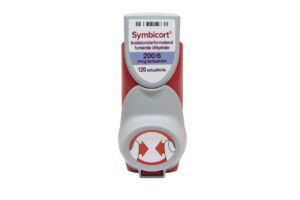
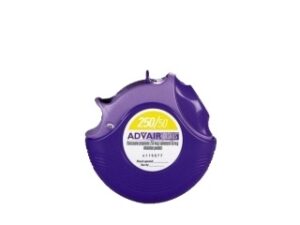
- Combination inhalers (ICS + LABA): Symbicort® (budesonide + formoterol), Seretide® (fluticasone + salmeterol) – used for moderate to severe asthma or COPD.
- Non-steroidal preventers: Montelukast – occasionally used in children and those intolerant to steroids.
- Biologics: Omalizumab, mepolizumab (for severe asthma uncontrolled by standard preventers; hospital-initiated, PBS-funded under strict criteria).
All above options are listed on the Pharmaceutical Benefits Scheme (PBS) for eligible patients in Australia.
13. Legal, Registration, and Reimbursement Status
- TGA Approval: Pulmicort inhalers and nebulised suspensions are fully registered by the Therapeutic Goods Administration (TGA).
- PBS Listing: Pulmicort as an inhaled steroid is reimbursed by the Pharmaceutical Benefits Scheme for chronic asthma and COPD under standard criteria.
- Prescription Only: Classified as a Schedule 4 (S4) medicine – requires a valid prescription from a doctor or authorised prescriber.
- Pharmacy Supply: Australian pharmacies dispense on prescription; regular reviews and asthma action plans are recommended.
- Product Identification: Check for the AUST R number on packaging when purchasing.
14. Latest Research and Clinical Guidance (2022–2025)
- GINA 2023: Pulmicort remains a recommended first-line preventer for persistent asthma, with flexible dosing in mild asthma (e.g., as-needed with a reliever in certain cases) [Global Initiative for Asthma, 2023 Update].
- COPD Guidelines (Lung Foundation Australia, 2022): Budesonide is recommended only in combination with a long-acting bronchodilator for selected COPD patients at high risk for exacerbations.
- Australian Asthma Handbook (NPS MedicineWise, 2022–2024): Reinforces the need for regular inhaler technique checks and individualised asthma action plans.
- COVID-19: Emerging evidence shows inhaled budesonide may reduce time to recovery in non-hospitalised mild COVID-19, though this is not a standard indication (Lancet Respiratory Medicine, 2022).
15. Availability and Delivery
| Formulation | Common Pack Sizes | Indicative PBS Price (concession/general) | Example Delivery Times |
|---|---|---|---|
| Pulmicort Turbuhaler® 200 mcg | 100 doses, 200 doses | $6.70 / $26.00 | Sydney: next business day Melbourne: 1–2 days Brisbane: 1–2 days Perth: 2–4 days |
| Pulmicort Nebuliser Suspension 0.5 mg | 20 ampoules | $6.70 / $26.00 | Australia-wide: standard freight rates; express options available |
16. Frequently Asked Questions (FAQ)
- Q1: Is Pulmicort safe for long-term use?
A: Yes, when used as prescribed, Pulmicort is considered very safe for long-term prevention of asthma and other respiratory conditions. Regular check-ups will monitor for any rare side effects. - Q2: Can Pulmicort be used during pregnancy or breastfeeding?
A: Current Australian guidelines advise Pulmicort is generally safe to use during pregnancy and breastfeeding when needed for well-controlled asthma. Always consult your doctor to assess your specific risk. - Q3: What should I do if I forget a dose?
A: Take your missed dose as soon as you remember, unless it's almost time for your next one. Never double-up. Continue your regular schedule and let your doctor know if you frequently forget doses. - Q4: How quickly does Pulmicort start working?
A: You may notice symptom improvement within a few days, but full benefit may take up to two weeks of regular use. Continue taking it even if you feel better. - Q5: Do I need to carry a reliever inhaler if I'm using Pulmicort?
A: Yes. Pulmicort is for regular prevention; you still need your reliever inhaler (like Ventolin®) for sudden symptoms or asthma attacks.
Further Questions?
Speak to your pharmacist or GP for advice on Pulmicort or your personal asthma action plan. Australian pharmacy teams are trained to support ongoing asthma care and inhaler education.