
Procardia (Nifedipine): Comprehensive Patient Information
Basic Product Information
| International Non-Proprietary Name (INN) | Nifedipine |
|---|---|
| Common Brand Names in Australia | Procardia®, Adalat®, Nifehexal®, Nifedipine Sandoz® |
| Therapeutic Class / ATC Code | Calcium Channel Blocker (CCB) / C08CA05 |
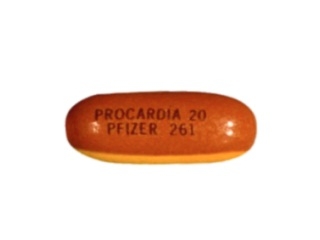
| Available Forms & Strengths |
|
| Manufacturers | Bayer, Sandoz, Hexal, Arrow Pharma, among others |
| Prescription Status (Australia) | S4 — Prescription Only Medicine |
Mechanism of Action
For Patients: Nifedipine works by relaxing and widening blood vessels. This makes it easier for your heart to pump blood and helps lower blood pressure, reducing the risk of heart attacks, strokes, and angina (chest pain).
For Specialists: Nifedipine is a dihydropyridine calcium channel blocker. It inhibits the influx of calcium ions through L-type calcium channels in vascular smooth muscle and cardiac myocytes, with greater selectivity for vascular tissue. This leads to arterial vasodilation, decreased peripheral resistance, and reduced myocardial oxygen demand.
Pharmacokinetics
- Absorption: Rapid and efficient upon oral administration; bioavailability is 45–70% due to first-pass metabolism. Extended-release forms allow slow, steady absorption.
- Metabolism: Extensively metabolised in the liver via CYP3A4 enzyme to inactive metabolites.
- Distribution: Widely distributed; approximately 92–98% binds to plasma proteins.
- Elimination: Eliminated primarily in urine (≈60–80%) as metabolites; half-life is 2–5 hours (immediate-release), 6–11 hours (extended-release).
- Duration: Immediate-release: effects last up to 6 hours; Extended-release: up to 24 hours.
Use in Everyday Life and Best Practices
Typical Doses:
- Hypertension/Chronic stable angina (adults): Usually 20–60 mg once daily (extended-release).
- Acute hypertension/Angina: Immediate-release tablets typically used in hospital settings only, due to rapid effect.
- Swallow whole with water—do not split, crush, or chew modified/extended-release tablets.
- Take at the same time each day to maintain steady blood levels.
- Follow all instructions from your doctor or pharmacist.
Dosing in the Morning vs. Evening
- Morning: May help target early morning rise in blood pressure and fits better with usual Australian routines for taking medications before work/school.
- Evening: Can be considered if “morning dips” in blood pressure cause problems or if advised by a specialist.
- Best Practice: Take consistently at the time prescribed by your doctor; for most patients, this is in the morning.
- Tips: Set a phone alarm, put your medicine near your toothbrush, or use a weekly pillbox.
Taking with Food or on an Empty Stomach
- Nifedipine can be taken with or without food. However, consistency matters—take it the same way each time.
- Eating grapefruit or drinking grapefruit juice can increase the effect and risk of side effects—avoid grapefruit products (common dietary warning in Australia).
- For most patients eating traditional English or modern Australian diets, there are no special food restrictions (apart from grapefruit).
Interaction Warnings
| Type | Substance | Effect/Recommendation |
|---|---|---|
| Food | Grapefruit/Juice | Increases drug absorption—Avoid |
| Medication | Clarithromycin, Erythromycin (antibiotics) | Increase nifedipine blood levels—monitor for side effects |
| Medication | Rifampicin, Carbamazepine, Phenytoin | Reduces nifedipine effect—may need dose adjustment |
| Medication | Beta-blockers (metoprolol, atenolol) | Combined use is possible, but requires monitoring for low blood pressure |
| Alcohol | — | Enhances blood pressure lowering—take care when drinking alcohol |
| Herbal | St. John's Wort | Reduces nifedipine effect—Avoid |
Indications
| Indication | Status |
|---|---|
| Essential (primary) hypertension | Approved |
| Chronic stable angina pectoris | Approved |
| Vasospastic (Prinzmetal’s) angina | Approved |
| Raynaud’s phenomenon | Accepted off-label use |
| Tocolysis (stopping premature labour) | Accepted off-label use (hospital) |
Dosing According to Clinical Indications
| Indication | Adults | Elderly | Pediatric |
|---|---|---|---|
| Hypertension | 20–60 mg once daily (XL/MR) | Start at 20 mg once daily; titrate slowly as needed | Usually not used; specialist advice required |
| Angina | 20–60 mg once daily | As above | Not routinely recommended |
| Raynaud’s Phenomenon | 10–20 mg twice daily (approach varies) | Start lower, monitor BP | Rare, specialist use |
| Tocolysis (preterm labour) | 10–20 mg 3–4 times daily (short-term, hospital) | — | Specialist use only |
Safety Profile and Side Effects
- Very Common (≥10%): Flushing, headache, dizziness, ankle swelling
- Common (1–10%): Palpitations, low blood pressure, nausea, constipation, fatigue
- Uncommon (<1%): Rash, muscle cramps, drowsiness
- Rare (<0.1%): Liver enzyme increase, swollen gums, severe allergic reaction
- Precautions: Use caution if you have severe liver disease, very low blood pressure, or heart failure. Not recommended in pregnancy or breastfeeding unless clearly needed and prescribed by a specialist.
- Driving: Rarely causes sleepiness or dizziness. If affected, do not drive or operate machinery.
Guidelines for Proper Use (Australian Clinical Setting)
- Always store in a cool, dry place—avoid direct heat (suitable for the Australian climate).
- Read the Consumer Medicines Information leaflet included with your pack.
- Do not stop or adjust your dose without medical advice, even if you feel well.
- Maintain regular GP visits for blood pressure and side effect checks.
- Inform any doctor or pharmacist if starting new medicines, including over-the-counter or herbal products.
- If you miss a dose, take it as soon as you remember unless it’s almost time for your next dose—do not double up.
Alternative Treatment Options
| Medicine/Class | Pros | Cons |
|---|---|---|
| Amlodipine (Calcium Channel Blocker) | Longer-acting, once daily dosing, fewer fluctuations | Can cause ankle swelling, not ideal in some heart rhythm problems |
| Perindopril/Enalapril (ACE inhibitors) | Heart and kidney protection benefits | Possible cough, not for use in pregnancy, requires kidney monitoring |
| Losartan/Irbesartan (ARBs) | Good alternative if ACE inhibitors not tolerated | More expensive, still requires monitoring |
| Beta-blockers (e.g. Atenolol, Metoprolol) | Useful for angina and heart disease | Can cause tiredness, not ideal in asthma sufferers |
| Thiazide diuretics (e.g. Hydrochlorothiazide) | Lower cost, proven to reduce stroke risk | May increase urination or affect blood sugar/potassium |
Legal, Registration, and Reimbursement Status in Australia
- Legal classification: Prescription only (Schedule 4/S4 Medicines)
- Registration: Registered with the Therapeutic Goods Administration (TGA, www.tga.gov.au)
- Reimbursement: Listed on the Pharmaceutical Benefits Scheme (PBS) for approved indications—subsidised under Medicare for eligible patients.
- Cannot be purchased over-the-counter; only your doctor can prescribe.
Latest Research and Clinical Guidelines (2022–2025)
- Recent Australian and international guidelines (e.g., National Heart Foundation of Australia, NICE 2021) continue to recommend calcium channel blockers, including nifedipine, as preferred initial or add-on therapy for hypertension and angina, particularly in older adults or people of African or Caribbean descent (Heart Foundation guidance).
- A 2023 meta-analysis in The Lancet supports the safety and effectiveness of extended-release nifedipine for long-term blood pressure and angina management, with lower risk of rebound hypertension compared to short-acting forms.
- Case reports (BMJ 2024) confirm the role of nifedipine in Raynaud’s phenomenon and specialist use in preterm labour—to be used strictly under obstetric supervision.
- Guidelines continue to emphasise individualising therapy based on age, comorbidities, ethnic background, and side effect profile.
Availability and Delivery
| Form | Common Pack Sizes | Indicative PBS Price (AUD)* | Estimated Delivery (Sydney, Melbourne, Brisbane, Perth) |
|---|---|---|---|
| Procardia/Adalat 30 mg XL | 30 or 60 tablets | $15–25 (subsidised) | 1–2 days (Sydney/Melbourne), 2–3 days (Brisbane/Perth) |
| Nifehexal 20 mg MR | 30 tablets | $12–22 (subsidised) | 1–2 days (all state capitals) |
| Generic nifedipine 10 mg IR | 20–100 tablets | $10–18 | Same day–48 hours, varies by location |
*PBS pricing is for eligible patients with a valid Medicare card. Actual out-of-pocket costs may be lower with health concession cards or safety net status. Contact your local pharmacy for specific supply times and advice.
Frequently Asked Questions (FAQ)
1. Can I drive or work safely while taking nifedipine?
Most people can drive and work normally. However, some may experience dizziness or headaches, especially at the start of treatment or after dose changes. Do not drive or operate machinery if you feel unwell or dizzy.
2. What should I do if I miss a dose?
Take your missed dose as soon as you remember, unless it is almost time for your next dose. Do not double up or take extra. If you are unsure, ask your pharmacist or GP.
3. Can I stop this medication if my blood pressure is now normal?
No, only stop or change this medication on your doctor’s advice. Stopping suddenly can lead to a serious rise in blood pressure or return of angina symptoms.
4. Is nifedipine safe if I am pregnant or breastfeeding?
Nifedipine is generally avoided in pregnancy and breastfeeding unless specifically advised and supervised by a hospital specialist. Tell your doctor if you are pregnant, planning pregnancy, or breastfeeding.
5. Will grapefruit or other foods affect my medicine?
Yes—avoid grapefruit and grapefruit juice, as they can increase nifedipine's effects and side effects. Other common foods have no major effect, but take nifedipine the same way (with or without meals) each day.