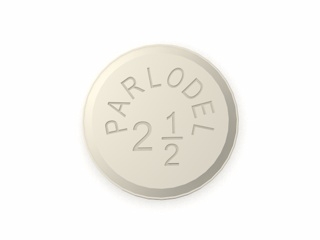


Parlodel (Bromocriptine) – Comprehensive Patient Information for Australia
Basic Product Information
- International Nonproprietary Name (INN): Bromocriptine
- Australia Brand Names: Parlodel, Bromocriptine Sandoz
- ATC Code: N04BC01
- Available Forms and Strengths:
- Tablets: 2.5 mg
- Capsules: 5 mg (less common in some states)
- Manufacturers: Novartis Australia, Sandoz Pty Ltd
- Prescription Status: Schedule 4 (Prescription Only Medicine, POM) in Australia
Mechanism of Action
For Patients: Parlodel (bromocriptine) works by mimicking a natural chemical in your brain called dopamine. This helps to balance the levels of certain hormones and signals in your body. It can stop the production of too much prolactin (a hormone) and help improve movement by working in areas of the brain that control muscle activity.
For Specialists: Bromocriptine is a dopamine D2 receptor agonist that inhibits prolactin secretion by acting on the lactotroph cells of the anterior pituitary. Additionally, it provides antiparkinsonian effects through dopamine receptor stimulation within the nigrostriatal pathway.
Pharmacokinetics
- Absorption: Bromocriptine is absorbed in the gastrointestinal tract but undergoes extensive first-pass metabolism in the liver. Approximate oral bioavailability is <10%.
- Metabolism: Primarily hepatic, via CYP3A4 enzyme system.
- Elimination: Mainly in the faeces (biliary excretion), small proportion via urine.
- Onset and Duration of Action: Peak plasma concentrations at 1–3 hours. Duration depends on indication and half-life, generally up to 8–12 hours.
Use in Everyday Life and Best Practices
Parlodel is most commonly prescribed in Australia for conditions such as Parkinson’s disease, hyperprolactinaemia-related disorders (e.g., infertility, menstrual disturbances), acromegaly, and to reduce the risk of breast milk leakage when breastfeeding is medically contraindicated. Tablet forms are the most readily available and must be taken by mouth as directed by your doctor.
- Always take Parlodel as prescribed—never change your dose or stop suddenly without consulting your doctor.
- Dosing is usually once or twice daily, often starting low and gradually increasing to minimise side effects.
- Regular medical checks are important during long-term use (blood pressure, liver function, and symptom review).
Dosing in the Morning vs Evening
- Morning Dosing:
- May help reduce ‘morning’ symptoms of Parkinson’s or improve day-time energy levels.
- An advantage for those experiencing excessive drowsiness—less impact overnight.
- Evening Dosing:
- Can help with hormone regulation overnight (such as in hyperprolactinaemia).
- May increase risk of sleep disturbances or nightmares in some.
- Tips: Take at the same time every day for best results. If drowsiness occurs, avoid activities needing full alertness (e.g., driving) after your dose.
Taking with Food or on an Empty Stomach
- With Food: Highly recommended. Taking Parlodel with a meal, especially breakfast or dinner (traditional Australian meals), reduces stomach upset and nausea—a common side effect.
- On an Empty Stomach: Higher risk of nausea, vomiting, and potential stomach irritation. Generally discouraged.
- Dietary Notes (Australia): No major interactions with typical Australian diets, but avoid grapefruit juice, which can increase bromocriptine side effects.
Interactions and Warnings
| Interaction | Advice |
|---|---|
| Alcohol | Can increase dizziness and drowsiness. Limit intake or avoid completely, especially before engaging in activities like driving. |
| Macrolide antibiotics (e.g., erythromycin) | May increase bromocriptine levels; avoid combining unless doctor says otherwise. |
| Antihypertensive drugs | Risk of low blood pressure—monitor for dizziness/syncope, especially at treatment start. |
| Ergot alkaloids | Avoid additional ergot derivatives (risk of toxicity such as ergotism). |
| Grapefruit juice | Can increase medication side effects; avoid. |
| Antipsychotics (e.g., risperidone, haloperidol) | May reduce effect of bromocriptine. Discuss alternatives with your doctor if required. |
| Dopamine agonists (other) | Increased risk of heart valve disorders and other side effects—specialist advice required. |
Approved and Off-Label Indications
| Indication | Official (TGA Approved) | Off-Label/Auxiliary Use |
|---|---|---|
| Parkinson’s disease | ✔️ | |
| Hyperprolactinaemia and prolactinomas | ✔️ | |
| Acromegaly (when surgery/radiotherapy is unsuitable) | ✔️ | |
| Suppression of lactation (when medically needed) | ✔️ | |
| Infertility (related to hyperprolactinaemia) | ✔️ | |
| Management of type 2 diabetes mellitus | ✔️ (investigational in Australia; some evidence of benefit) |
Dosing Guidelines by Clinical Indication
| Indication | Typical Adult Dose | Paediatric Dose | Elderly Dose |
|---|---|---|---|
| Parkinson’s disease | Start: 1.25 mg–2.5 mg daily, increase by 2.5 mg every 3–7 days (max 30 mg/day) | Not routinely recommended | Same as adult, monitor for side effects |
| Hyperprolactinaemia | Start: 1.25 mg daily, increase by 1.25 mg every few days; usual: 2.5–7.5 mg/day | Initiate at 1.25 mg/day, titrate with caution | Same as adult; start low and go slow |
| Acromegaly | Start: 1.25 mg–2.5 mg daily, usual: 10–30 mg/day split in multiple doses | Not routinely used | Cautious titration as per adult guidelines |
| Lactation suppression | 2.5 mg every 12 hours for 14 days | Not recommended | Caution due to increased sensitivity |
Safety Profile and Side Effects
- Common (over 1/10): Nausea, vomiting, dizziness, headache, fatigue, constipation.
- Uncommon (1/100): Nasal congestion, low blood pressure, hallucinations, confusion (mainly in elderly).
- Rare (<1/1,000): Serious heart or lung complications (fibrosis), impulse control disorders, sudden sleep episodes, psychosis.
- Warnings: Notify your doctor if you experience chest pain, difficulty breathing, severe mental changes, or compulsive behaviours.
- Regular blood pressure checks are recommended during treatment, especially on starting or increasing the dose.
Guidelines for Proper Use
- Always follow your doctor’s instructions exactly—doses may differ depending on your condition.
- If you forget a dose, take it as soon as you remember unless it is nearly time for your next scheduled dose (never take double to catch up).
- Stand up slowly from sitting/lying, as bromocriptine may lower your blood pressure.
- Report any abnormal feelings or new symptoms to your doctor or pharmacist immediately.
- Store at room temperature (below 25°C); keep away from moisture and sunlight—typical advice for Australian storage conditions.
- Do not drive or use machinery if you feel drowsy, dizzy, or suddenly fall asleep.
- Ensure your doctor knows of all the medications and supplements you currently take.
Alternative Treatment Options
- Cabergoline (Dostinex®): Longer-acting, once/twice weekly dosing for hyperprolactinaemia. Often preferred for fewer side effects and greater efficacy but higher cost.
- Quinagolide: Not widely available in Australia; similar action, used off-label.
- Levodopa preparations (Sinemet, Madopar): Mainstay for Parkinson’s (especially early stages), sometimes used in combination with bromocriptine.
- Pergolide, Pramipexole, Ropinirole: Alternative dopamine agonists, different side effect profiles, TGA-regulated and available via PBS.
(Individual funding, reimbursement, and approval vary—most alternatives are covered by the Pharmaceutical Benefits Scheme [PBS] in Australia for eligible patients.)
Legal, Registration, and Reimbursement Status in Australia
- TGA (Therapeutic Goods Administration): Parlodel and generic bromocriptine are fully registered for approved indications.
- Pharmaceutical Benefits Scheme (PBS): Available and subsidised for certain indications (such as Parkinson’s disease; other diagnoses may require Authority prescription).
- Prescription Requirements: Schedule 4 medication – must be prescribed by a registered Australian medical practitioner.
- Not available over-the-counter; supply strictly controlled to ensure safe and appropriate use.
- Certain off-label uses (e.g., for type 2 diabetes) require private script or specialist endorsement.
Latest Research and Clinical Guidance (2022–2025)
- Recent Australian and British Endocrine Society guidelines support cabergoline over bromocriptine for many prolactinomas due to improved tolerability (Samson SL et al, “Update on dopamine agonists for pituitary adenomas,” NZMJ, 2024).
- Still considered safe and effective long-term for Parkinson’s when combined with levodopa (Australian Parkinson’s Clinical Guideline, 2023).
- Current research is reviewing bromocriptine’s potential role in type 2 diabetes, with moderate benefit shown in overseas trials, but not routinely recommended in Australia at this time (ADA/EASD Consensus Report, 2024).
- Risk of fibrotic heart and lung complications remains low, but regular monitoring is required (TGA Safety Summary, 2023).
Availability and Delivery in Australia
| Pack Sizes | Indicative Price (AUD, PBS) | Standard Delivery (major cities) |
|---|---|---|
| 30 tablets, 2.5 mg | $6.50 (PBS-eligible), $21+ private | Sydney, Melbourne: Next working day Brisbane, Perth, Adelaide: 1–2 working days |
| 100 tablets, 2.5 mg | $23 (PBS-eligible), $45+ private | Sydney, Melbourne: 1–2 working days Regional/rural: Allow 2–4 days |
Dispensing through both community and hospital pharmacies. Most major pharmacy chains offer online ordering and home delivery in metropolitan areas. Always check supply and delivery information directly with your pharmacy, as availability can change based on manufacturer or state supply issues.
FAQ – Common Patient Questions
- Can Parlodel be used during pregnancy or breastfeeding?
Bromocriptine is commonly used to treat fertility issues but should only be continued during pregnancy under specialist advice. It suppresses milk production and should not be used if you plan to breastfeed. - What should I do if I miss a dose?
Take it as soon as you remember, unless it’s almost time for your next dose. Do not double up. If in doubt, call your pharmacist for advice. - Is it safe to drive or operate machinery on Parlodel?
Drowsiness, sudden sleep onset or dizziness may occur. Avoid driving or using machinery until you know how Parlodel affects you. - Can I drink alcohol while taking Parlodel?
Alcohol can worsen potential side effects (dizziness, confusion). It is safest to limit or avoid alcohol during treatment. - Does Parlodel interact with other medications?
Yes—especially with certain antibiotics, antihypertensives, and antipsychotics. Always provide your healthcare team with a full list of your current medications.