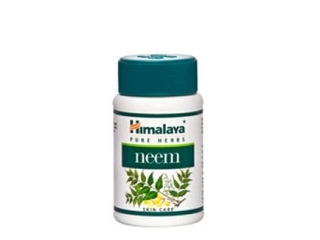
Neem (Azadirachta indica): Comprehensive Product Information for Australian Patients
Basic Product Information
| International Nonproprietary Name (INN) | Azadirachta indica (Neem) |
|---|---|
| Australia Brand Names | NeemGuard®, Neem Capsules by Bioglan®, VitaNeem® (Herbal/Vitamin Section) |
| ATC Code | R05CA (Herbal cough remedies), Not assigned a specific code, as Neem is primarily marketed as a complementary medicine in Australia. |
| Available Forms & Strengths | Capsules: typically 250–500 mg Tablets: 300–600 mg Topical oil: 50–100 mL bottles Tea: dried leaf sachets Oral Liquid: 30–100 mL bottles |
| Manufacturers | Bioglan (AUS), Nature's Way, VitaNeem, Organic India (imported). Many brands are listed with the Australian Register of Therapeutic Goods (ARTG). |
| Prescription Status | Over-the-counter (OTC); pharmacy or health food store; no prescription required in Australia. |
Mechanism of Action
For Patients:Neem contains a natural mix of plant compounds known as limonoids, flavonoids, and polyphenols. These substances give Neem its traditional abilities—helping to reduce inflammation, balance the immune system, and protect against common germs (bacteria, viruses, fungi). It's well-known for supporting skin and oral health, as well as offering gentle support for the digestive and immune systems.
For Specialists:Neem's key bioactive constituents include azadirachtin, nimbin, and nimbolide, which exhibit antimicrobial, anti-inflammatory, antioxidant, and immunomodulatory properties. Its mechanism involves inhibition of pro-inflammatory cytokines, reactive oxygen species scavenging, and disruption of bacterial cell wall synthesis.
Pharmacokinetics
- Absorption: Neem compounds are moderately absorbed in the digestive tract when taken orally. Topical absorption depends on the formulation.
- Metabolism: Primarily hepatic (liver) metabolism; active metabolites may further contribute to therapeutic effects.
- Elimination: Renal (urine) and biliary/fecal routes.
- Duration of Action: Several hours per dose; sustained use may produce cumulative mild effects for skin or immune health.
Use in Everyday Life and Best Practices
Neem is blended into daily health routines in Australia due to its herbal properties. Most people take capsules or tablets once or twice daily with water, or apply neem oil to the skin. Neem is commonly used for:
- Supporting skin health (mild acne, eczema, minor wounds)
- Promoting oral hygiene (mouthwash or toothpaste with neem extract)
- General immune and digestive support
Typical oral doses: 250–500 mg capsule/tablet, 1–2 times daily, unless otherwise advised by a practitioner. Topical oil should be diluted and applied to the skin 1–2 times daily as needed.
Always follow individual product instructions, and ask your pharmacist or healthcare provider if uncertain.
Dosing in the Morning vs. Evening
- Morning Dosing: Preferred for immune and digestive support, as it can be gently energising for some patients and fits easily with breakfast routines.
- Evening Dosing: Useful for skin care (spot treatments) or soothing topical applications overnight.
- Tips: Take at the same time daily for best results. Avoid taking large doses late at night to prevent possible mild gastrointestinal upset in sensitive individuals.
Taking with Food or on an Empty Stomach
- Neem capsules or tablets are generally best taken after food to reduce the risk of minor stomach discomfort.
- Neem oil for skin use: Apply after gently cleansing the skin, regardless of meal times.
- Typical English breakfast (e.g. toast, porridge, eggs) pairs well with oral neem supplements.
Interaction Warnings
| Substance | Interaction | Advice |
|---|---|---|
| Antidiabetic medications | Additive blood sugar lowering effect | Monitor blood glucose, consult your GP |
| Immunosuppressants | May enhance immune function, reducing drug effectiveness | Consult your specialist prior to use |
| Alcohol | Topical products: No concern Oral products: Minimise use together to reduce stomach upset | Occasional use safe, but moderate consumption recommended |
| Warfarin & anticoagulants | Possible mild anticoagulant effect | Monitor INR if used regularly; seek medical advice |
| Herbs/supplements | Products with similar effects (e.g. garlic, fish oil, ginseng) | Avoid combining without advice |
Indications
| Condition | Status | Comments |
|---|---|---|
| Acne, minor wounds, eczema | Traditional/Complementary | Topical use |
| Oral hygiene | Traditional/Complementary | In toothpastes, mouthwash |
| Immune system support | Complementary | Oral preparations |
| Digestive health support | Complementary | Oral use in mild, self-limiting complaints |
| Anti-inflammatory support | Off-label/Complementary | Oral/topical |
Dosing According to Clinical Indications
| Population | Indication | Typical Dose | Comments |
|---|---|---|---|
| Adults | Oral immune/digestive support | 250–500 mg capsule/tablet, 1–2 times daily | After meals |
| Adults | Topical (skin) | Apply diluted neem oil, 1–3 times daily | Patch test on sensitive skin |
| Children (6–18 yrs) | Oral/Topical support | Half adult dose; topical use in diluted form | Medical supervision advised |
| Elderly | As above | Start low, monitor for GI/stomach symptoms | Consult GP if on multiple medications |
Safety Profile and Side Effects
- Common (mild, self-limiting): Upset stomach, nausea, mild diarrhoea, skin irritation (topical).
- Uncommon/Rare: Allergic rash, drowsiness (high oral doses), dizziness, raised liver enzymes (very rare, high dose/prolonged use).
- Warnings: Avoid during pregnancy/breastfeeding or in children under 6 except under medical supervision. May lower blood sugar—people with diabetes should monitor carefully.
Guidelines for Proper Use
- Read the label and follow product directions.
- If using topically, always perform a patch test first.
- Buy from reputable Australian pharmacies with ARTG-listed products.
- If symptoms persist or worsen, consult your doctor or pharmacist.
- Store in a cool, dry place below 25°C and keep out of reach of children.
Alternative Treatment Options
For skin, digestive, or immune complaints, alternatives may include:
- Skin conditions: Tea tree oil (Australian origin; antibacterial, but can be more irritant), calendula ointment, zinc-based creams.
- Oral hygiene: Chlorhexidine rinses (prescription in some concentrations), baking soda toothpaste.
- General immune support: Echinacea, vitamin C, vitamin D, zinc supplements (all OTC in Australia).
Pros: Neem is generally safe, low cost, and available OTC.
Cons: Limited robust evidence for clinical effectiveness when compared to conventional treatments for specific medical conditions.
Legal, Registration, and Reimbursement Status in Australia
| Aspect | Status in Australia |
|---|---|
| Regulatory body | Therapeutic Goods Administration (TGA) |
| Registration | Neem supplements must be included in the ARTG for sale as a listed medicine |
| Prescription required? | No; available OTC |
| Reimbursement (PBS/NFZ equivalent) | No, not covered by Pharmaceutical Benefits Scheme (PBS) or Medicare |
| Pharmacy Availability | Available at pharmacies, health food shops, and major supermarkets |
Latest Research and Clinical Guidance (2022–2025)
- Recent reviews in complementary medicine journals highlight moderate evidence for Neem's usefulness in supporting oral health and mild-to-moderate acne (see: Phytotherapy Research, 2023; Journal of Herbal Medicine, 2024).
- Topical applications continue to show promise as adjunctive therapy in mild skin conditions, with ongoing studies at major universities in Australia and the UK.
- Cochrane systematic reviews note insufficient high-quality RCTs for systemic uses, recommending traditional use for mild, self-limiting complaints only.
- The Royal Australian College of General Practitioners (RACGP) advises all patients to inform their GP and pharmacist of Neem or supplement use to avoid possible interactions and side effects.
Availability and Delivery
| Formulation | Pack Sizes | Indicative Price (AUD) | Standard Delivery (Metropolitan Areas) |
|---|---|---|---|
| Tablets/Capsules | 30, 60, 100 | $18–$35 | 1–2 business days (Sydney, Melbourne, Brisbane) |
| Neem Oil | 50 mL, 100 mL | $14–$28 | 1–2 business days |
| Neem Tea/Leaf Powder | 50–100 g packs | $10–$22 | 2–4 business days |
| Oral Liquid | 30 mL, 50 mL | $15–$22 | 2–4 business days |
Regional, rural, or remote delivery may take 3–6 business days; most products are stocked in Australia and ready for express or standard shipping.
Frequently Asked Questions (FAQ)
- Is Neem safe for everyone?
Neem is generally safe for adults when used as directed for short periods. Children, pregnant or breastfeeding women, and those with chronic illnesses should consult a healthcare professional before use. - Can Neem cure serious infections or diseases?
No. Neem may provide symptomatic support for mild conditions, but it is not a replacement for prescribed medicines or professional medical care for infections or chronic diseases. - Can I use Neem oil on my face?
Yes, diluted Neem oil can be used on the face for mild acne or as part of skin care. It should be patch tested on the inner arm first to check for sensitivity or allergic reaction. - Can I take Neem with my other supplements?
Generally yes, however, always check with your pharmacist or GP—especially if you are on prescribed medications for diabetes, immune suppression, or blood thinners. - Will Neem stain my clothes or skin?
Neem oil and some concentrated extracts can leave a yellow-brown stain on fabrics. Wash your hands after use and avoid contact with clothing.
Please speak with your local pharmacist or GP if you have further questions about Neem products or your individual situation.