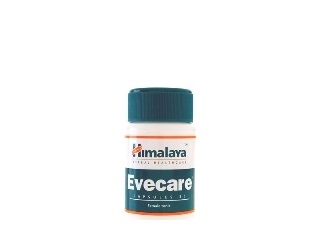

Evecare — Comprehensive Guide for Australian Patients
Basic Product Information
| International Non-proprietary Name (INN) | Not Applicable (Evecare is an Ayurvedic proprietary blend, not categorized by a single INN) |
|---|---|
| Australia Brand Names | Evecare (Himalaya), Himalaya Evecare Capsules, Himalaya Evecare Syrup |
| ATC Code | Not classified under WHO ATC system; fits within Gynaecologicals (G02CX), 'Other Gynecologicals' |
| Available Forms & Strengths | Capsules (Herbal Formula), Syrup 200 mL & 400 mL |
| Manufacturers | Himalaya Wellness (exporter, India; imported by select Australian distributors) |
| Prescription Status (Australia) | Listed as a complementary medicine; available over-the-counter in pharmacies and selected health food stores |
Mechanism of Action
Simplified Explanation: Evecare is a herbal formula designed to support female reproductive health. Its blend contains herbs traditionally used to maintain normal menstrual cycles, reduce discomfort, and support hormonal balance, such as Ashoka (Saraca asoca), Lodh Tree (Symplocos racemosa), Shatavari (Asparagus racemosus), and others. These herbs are believed to act together to tone the uterus, regularise menstruation, and relieve associated symptoms.
For Specialists: Evecare’s putative pharmacological effects include phytoestrogen-like activity, modulation of gonadotropic hormones, anti-inflammatory properties, and mild analgesic and antioxidant actions. Its components may influence endometrial function, impact prostaglandin synthesis, and help normalise menstrual flow. Clinical evidence remains preliminary and is drawn largely from traditional texts and small, recent clinical trials.
Pharmacokinetics
Being a multi-ingredient herbal formulation, Evecare does not have a defined pharmacokinetic profile as a single agent. Individual herbs in the blend, such as Shatavari and Ashoka, are absorbed orally. Herbal actives like saponins, flavonoids, and glycosides are typically metabolised in the liver and excreted via urine or bile.
- Onset of action: Gradual; clinical benefits may take 1–2 cycles to become noticeable.
- Duration of action: Effects last as long as the supplement is continued regularly.
- Elimination: Mainly hepatic and renal routes. No cumulative toxicity at recommended doses reported.
Use in Everyday Life & Best Practices
Evecare is most commonly used by women experiencing irregular periods, menstrual pain, or general symptoms related to hormone imbalances (such as premenstrual syndrome). In Australia, it is taken as a complementary supplement, often alongside conventional care.
- Typical adult dose: 1–2 capsules twice daily or 5 mL of syrup twice daily, or as directed by your healthcare provider.
- Consistency is key: Take Evecare regularly for sustained results. Usually, 3–6 months of continuous use is suggested for optimal benefit.
- Not a contraceptive or primary treatment for serious gynaecological conditions.
- Always inform your GP or pharmacist if adding Evecare to your health regime.
Dosing: Morning vs. Evening
- Morning dosing: May be preferred for routines involving other morning medications or if Evecare causes any mild stomach upset (less likely to interfere with sleep).
- Evening dosing: Acceptable and often preferred for those with busy mornings. No direct sedative effect; unlikely to disrupt sleep.
- Tip: Split doses (morning and evening) can help maintain stable herbal levels throughout the day.
- Regularity: Take at similar times each day for best results.
Taking with Food or on an Empty Stomach
- Evecare is best taken with food, such as after breakfast and dinner, to enhance absorption and reduce any risk of gastrointestinal upset.
- Taking with meals is well-suited to typical Australian eating habits, whether continental or cooked breakfasts, as there are no known interactions with common foods.
- Avoid taking on an empty stomach if prone to heartburn or sensitive digestion.
Interaction Warnings
| Category | Interactions |
|---|---|
| Food | No known clinically significant food interactions. Safe with most Australian diets, including vegetarian and vegan diets. |
| Alcohol | Moderate intake likely safe but avoid excessive use; limit alcohol if experiencing heavy menstrual bleeding or taking other liver-metabolised drugs. |
| Medications |
|
| Other Supplements | Generally compatible, but best to inform your pharmacist about all supplements used. |
Indications
| Indication | Regulatory Status |
|---|---|
| Support for healthy menstrual cycles | Complementary/Traditional Indication (TGA-listed, not registered as medicine) |
| Relief from mild dysmenorrhea (period pain), PMS | Traditional/Complementary Indication |
| Non-specific gynaecological well-being | Traditional use |
| Management of mild abnormal uterine bleeding (with doctor's oversight) | Off-label/adjunctive |
Dosing According to Clinical Indications
| Patient Group | Typical Dose | Recommended Duration |
|---|---|---|
| Adult Women (Capsule) | 1–2 capsules twice daily | 3–6 months, review with healthcare provider |
| Adult Women (Syrup) | 5 mL twice daily | 3–6 months, as above |
| Adolescents* | Use only under clinical supervision | Short courses (1–3 months) |
| Elderly | Use not routinely indicated; consult GP | As directed by doctor |
*Always seek professional advice for use in persons under 18 years.
Safety Profile & Side Effects
- Common: Mild gastrointestinal symptoms (e.g. nausea, indigestion), mild headache, fatigue
- Rare: Allergic reactions (rash, itching), changes in menstrual flow, very rarely liver function changes
- Warnings:
- Avoid during pregnancy and breastfeeding due to insufficient safety data
- May not be suitable for those with severe liver or kidney disease
- Stop if signs of allergic reaction or unusual symptoms develop
- Consult a doctor if experiencing persistent, heavy, or painful periods
Guidelines for Proper Use
- Store at room temperature, protected from light, in original container.
- Do not exceed recommended dose.
- Consistency is important; use every day as advised, preferably with food.
- If a dose is missed, take it as soon as you remember, but do not double up.
- Read the product leaflet and disclose all herbal use to your healthcare provider or pharmacist.
- Seek advice if you are considering Evecare alongside prescribed therapies for endometriosis, PCOS, or other gynaecological conditions.
- Regular reviews with your GP or women’s health nurse are recommended.
Alternative Treatment Options
- Conventional Therapies:
- Hormonal contraceptive pills (PBS-listed, prescription only)
- NSAIDs such as ibuprofen or naproxen (OTC for pain relief)
- Tranexamic acid (for heavy bleeding – prescription only)
- Other herbal options: chaste tree (Vitex agnus-castus, OTC), evening primrose oil (OTC)
- Comparative Overview: Conventional therapies are generally backed by stronger clinical trial data but may have more side effects or contraindications. Herbal blends like Evecare are often chosen for a gentler symptomatic approach with fewer adverse effects, but clinical efficacy evidence is more limited.
Legal, Registration, and Reimbursement Status in Australia
- TGA Listing: Evecare is listed as a complementary medicine (AUST L); not a registered pharmaceutical.
- URPL, MZ, NFZ equivalence: Not registered as medicine with these agencies, not available through Pharmaceutical Benefits Scheme (PBS) or government subsidy.
- Prescription: Not required.
- Professional advice: Recommended for all herbal therapies.
Latest Research and Clinical Guidance (2022-2025)
- Several small randomised studies (India and abroad) from 2022–2024 have reported improvement in mild dysmenorrhea and menstrual regularity in women using Evecare, but large-scale, high-quality clinical trials are lacking. (See: Adiga & D'Souza, 2023; Journal of Herbal Medicine)
- Australian guidelines continue to recommend consultation with a GP before using any complementary medication for menstrual symptoms.
- The Royal Australian and New Zealand College of Obstetricians and Gynaecologists (RANZCOG) notes that herbal and complementary medicines may be considered as adjuncts but should not replace evidence-based therapies for underlying conditions.
Availability and Delivery
| Pack Size | Typical Use Duration | Indicative Price (AUD) |
|---|---|---|
| Evecare Capsules (30s) | 1–2 weeks | $15–20 |
| Evecare Capsules (60s) | 3–4 weeks | $28–32 |
| Evecare Syrup (200 ml) | 2–3 weeks | $18–22 |
| Evecare Syrup (400 ml) | 4–6 weeks | $32–38 |
| City | Estimated Delivery Time (Online Orders) |
|---|---|
| Sydney | 1–2 business days |
| Melbourne | 1–2 business days |
| Brisbane | 2–3 business days |
| Perth | 3–5 business days |
| Adelaide | 2–3 business days |
| Hobart | 2–4 business days |
Frequently Asked Questions (FAQ)
- Is Evecare safe to take with my other prescribed medicines?
In most cases, Evecare is compatible with other medications, but always consult your pharmacist or GP before starting any new supplement, especially if you are on prescription drugs for hormonal, blood-thinning or metabolic conditions. - How soon will I notice an improvement in my symptoms?
Most women experience gradual benefits over 1–2 menstrual cycles. Full benefits may take up to 3 months of continuous use. - Can I use Evecare if I am trying to conceive?
Evecare is not a contraceptive and is sometimes used to support hormonal balance during preconception periods, but always discuss with your GP or fertility specialist before use. - Can Evecare be used for severe menstrual disorders?
Evecare is intended for mild symptoms and general regulation. Severe or unusual menstrual symptoms should always be evaluated by a medical practitioner. - Do I need a prescription to buy Evecare in Australia?
No, Evecare is listed as an over-the-counter complementary medicine, but it is best to inform your pharmacist or GP about all supplements you consider.