
Ophthacare – Patient Information for Australia
Basic Product Information
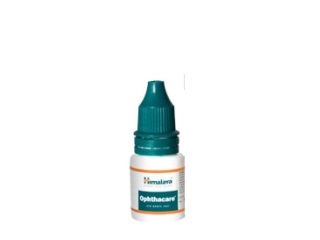
| International Nonproprietary Name (INN) | Ophthacare (Herbal Eye Drops) |
|---|---|
| Australia Brand Names | Ophthacare |
| ATC Code | S01XA (Other ophthalmologicals) |
| Available Forms & Strengths | Ophthalmic solution (eye drops), 10 mL bottle |
| Manufacturers | Himalaya Wellness Company |
| Prescription Status (Australia) | Unscheduled (considered a complementary medicine; available without prescription in pharmacies and through selected health stores) |
Mechanism of Action
For patients:
Ophthacare is a herbal eye drop containing plant extracts, including Terminalia bellerica, Curcuma longa (turmeric), Honey, and Amalaki. These natural ingredients work together to relieve eye discomfort, redness, and itching by soothing the eye’s surface, reducing inflammation, and supporting natural cleansing.
For healthcare professionals:
Ophthacare exerts its effects primarily through anti-inflammatory, antimicrobial, and antioxidant activities. Components such as curcuminoids and tannins suppress pro-inflammatory mediators and reduce oxidative stress on the ocular surface, aiding symptomatic relief in non-infective conjunctival and periocular irritations.
Pharmacokinetics
- Absorption: Designed for local (ocular) action. Systemic absorption is minimal due to topical administration.
- Metabolism: Ingredients act locally in the eye; systemic metabolism is negligible.
- Elimination: Cleared through tears and lacrimal drainage; minimal systemic excretion.
- Duration of Action: Provides relief within minutes and lasts several hours, dependent on severity of symptoms.
Everyday Use and Best Practices in Australia
Ophthacare is intended for short-term relief of mild ocular irritation, redness or eye strain—common in the Australian context due to high UV exposure, seasonal allergens, and extended screen time.
- Typical Dose: 1–2 drops in the affected eye(s), 2–3 times daily. Your healthcare provider may advise a different schedule based on your specific needs.
- How to use:
- Wash and dry your hands before use.
- Carefully tilt your head back and gently pull down your lower eyelid to create a small pocket.
- Instill the recommended number of drops, making sure not to touch the dropper tip to your eye or skin.
- Close your eyes gently for 1–2 minutes to help the solution spread evenly.
For contact lens wearers: Remove your lenses before application and wait at least 15–20 minutes before reinserting.
Dosing: Morning vs Evening
- Morning: Using Ophthacare in the morning can help clear overnight dryness or irritation, especially for those with allergies common to Australian flora.
- Evening: Evening application may soothe eyes after a day of exposure to dust, screens, or sunlight. It can also promote eye comfort at bedtime.
- Tips: Use at regular, equally spaced intervals; avoid exceeding recommended frequency. For persistent symptoms, consult your pharmacist or GP.
Taking with Food or on an Empty Stomach
Ophthacare is a topical eye drop and does not interact with food or meals. It can be administered at any time, irrespective of food consumption—a useful feature for Australians with regular or varied meal patterns.
Interaction Warnings
- No significant food or alcohol interactions expected, as medication acts locally.
- Do not use with other eye drops or ointments at the exact same time. Allow at least 10–15 minutes between products.
- Consult your healthcare provider before using if you are already prescribed regular ophthalmic medications (e.g., for glaucoma or infection).
- Avoid use if you have a known allergy to any of the herbal components.
| Interaction | Effect | Action |
|---|---|---|
| Other Eye Drops | Possible dilution or reduced absorption | Space by 10–15 min |
| Contact lenses | Reduced efficacy; possible irritation | Remove lenses, wait 20min to reinsert |
| Known allergy to ingredients | Risk of allergic reaction | Do not use; seek alternative |
Indications
| Indication | Regulatory Status | Notes |
|---|---|---|
| Relief of mild eye irritation (e.g., dust, smoke, pollen) | Official (Australia CAM) | Short-term use, non-infectious causes |
| Conjunctival redness or itching | Supportive (Australia CAM) | Adjunct in allergic conjunctivitis |
| Eye strain (computer/TV exposure) | Off-label, accepted by tradition | Popular in screen-intensive lifestyles |
Dosing According to Clinical Indications
| Population | Indication | Recommended Dose | Comments |
|---|---|---|---|
| Adults | Eye irritation or redness | 1–2 drops, 2–3 times/day | Maximum: 4 times/day |
| Children (over 3 years) | Irritation, mild allergies | 1 drop, 2 times/day | Supervision advised |
| Elderly | Dryness, mild redness | 1–2 drops, 2–3 times/day | Monitor for ocular health |
Safety Profile and Side Effects
- Common: Transient stinging, mild blurring, or watery eyes immediately after instillation.
- Uncommon: Local allergy (itching, swelling, redness), eye discomfort.
- Rare but Serious: Persistent irritation, vision changes, or severe allergic reaction (redness, pain, lid swelling).
| Side Effect | Frequency | Action |
|---|---|---|
| Stinging/burning | Common; usually mild/transient | Wait; resolves within minutes |
| Blurry vision | Common; brief | Do not drive until cleared |
| Redness, swelling | Uncommon | Discontinue; seek advice |
| Severe irritation or pain | Rare | Seek urgent medical help |
Guidelines for Proper Use in Australian Conditions
- Store at room temperature (under 25°C); avoid direct sunlight, in line with most Australian homes.
- Do not freeze.
- After opening, use within 30 days.
- Keep dropper tip clean—avoid contact with eye, skin, or surfaces.
- If symptoms persist beyond a week, consult your optometrist, GP, or pharmacist.
- Ideal for temporary relief—but not a substitute for prescription treatments of infection, injury, or severe allergy.
- Check expiry date before use.
Alternative Treatment Options (PBS-Listed and Common OTC)
- Sodium Cromoglycate Eye Drops (Opticrom, Cromolux): PBS-listed for allergic conjunctivitis; non-herbal, strong safety record.
- Artificial tears (Refresh, Systane, Hylo-Fresh): Widely available OTC for dry, irritated eyes—no anti-inflammatory effect.
- Antihistamine eye drops (Zaditen, Livostin): For allergy symptoms—prescription or pharmacist advice.
- Saline eyewash/drops: Simple irrigation; safe but no specific anti-inflammatory benefit.
Comparative overview: Herbal remedies like Ophthacare are generally well tolerated, but lack robust double-blind or comparative clinical trial data. Prescription and PBS-listed drugs have proven efficacy for conditions like allergic conjunctivitis or severe dryness.
Legal, Registration, and Reimbursement Status in Australia
- Listed with the Therapeutic Goods Administration (TGA) as a complementary medicine.
- Not listed on the Pharmaceutical Benefits Scheme (PBS); costs are not government-subsidised.
- Available over the counter from pharmacies, selected health food stores, and online retailers—no prescription required.
Latest Research and Clinical Guidance (2022–2025)
- Recent reviews indicate limited but positive evidence for herbal eye preparations as adjunctive or supportive therapy for mild, non-infective eye irritation (see Babu et al., "Herbal Ocular Formulations: Clinical Perspectives," Phytotherapy Research, 2023).
- Australian optometry practice guidelines recommend evidence-based first-line use of artificial tears or cromoglycate for moderate to severe symptoms; herbal preparations may be considered for mild, self-limiting cases or patient preference (Optometry Australia, 2024).
- Long-term safety data is limited; always follow product instructions and consult a healthcare professional for persistent, severe, or atypical symptoms.
Availability and Delivery in Australia
| Pack Size | Typical Price (AUD) | Availability |
|---|---|---|
| 10 mL | $14–20 | OTC in major pharmacies; some health stores; online |
| City | Estimated Delivery (Online Orders) |
|---|---|
| Sydney | 1–2 business days |
| Melbourne | 1–2 business days |
| Brisbane | 2–3 business days |
| Adelaide | 2–3 business days |
| Perth | 3–5 business days |
| Regional/Rural | 3–7 business days |
Frequently Asked Questions (FAQ)
- Can I use Ophthacare if I wear contact lenses?
Yes, but remove your lenses before applying the drops. Wait at least 15–20 minutes before reinserting to prevent discomfort or lens damage. - How quickly will I feel relief after using Ophthacare?
Most people feel relief within a few minutes of application. Effects may last several hours, but duration varies with the cause and severity of irritation. - Is it safe for children and elderly patients?
Yes, for children over 3 and elderly patients, under adult supervision and in line with recommended doses. Seek advice for children under 3 years. - Can I use Ophthacare with other eye medications?
Generally safe, but space at least 10–15 minutes between different eye medicines to allow proper absorption and avoid interactions. - When should I seek medical advice?
If you notice persistent or worsening redness, pain, vision changes, or symptoms lasting more than one week, seek prompt review by a GP, optometrist, or pharmacist.
For specific questions about your eye health or concurrent medications, consult your pharmacist, optometrist, or GP.