Fluoxetine in Australia – Patient Information and Comprehensive Guide
Basic Product Information
| International Non-Proprietary Name (INN) | Fluoxetine |
|---|---|
| Common Australia Brand Names | Prozac®, Lovan®, Zactin®, Auscap® |
| Anatomical Therapeutic Chemical (ATC) Code | N06AB03 |
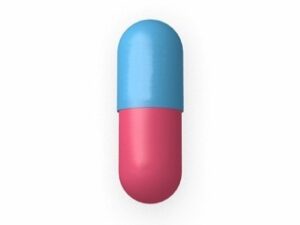
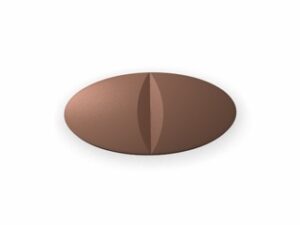
| Available Forms and Strengths | Capsules: 20 mg Tablets: 20 mg Oral solution: 20 mg/5 mL |
| Manufacturers | Eli Lilly Australia, Alphapharm, Generic manufacturers |
| Prescription Status | Prescription only (Schedule 4: Prescription Only Medicine) |
Fluoxetine is a prescription antidepressant medicine commonly used in Australia for the treatment of depression, certain anxiety disorders, and related mental health conditions. It is most widely known under the brand name Prozac® but is available in several generic forms. This medicine is approved by the Therapeutic Goods Administration (TGA) and dispensed by registered pharmacies across Australia.
Mechanism of Action
For Patients: Fluoxetine works by increasing the levels of serotonin, a naturally occurring chemical in the brain that helps maintain mood balance. Low levels of serotonin are associated with depression and some anxiety problems. Fluoxetine helps to restore the right balance, which can improve mood and wellbeing.
For Specialists: Fluoxetine is a selective serotonin reuptake inhibitor (SSRI). It selectively blocks the reuptake of serotonin at the presynaptic neuron, increasing synaptic serotonin availability without significant affinity for other neurotransmitter receptors.
Pharmacokinetics
- Absorption: Well absorbed from the gastrointestinal tract, with peak plasma levels reached in 6–8 hours.
- Metabolism: Extensively metabolised, primarily in the liver via cytochrome P450 2D6 (CYP2D6) to norfluoxetine (active metabolite).
- Elimination: Primarily via the kidneys; elimination half-life is about 4–6 days (prolonged in elderly).
- Duration of action: Long-acting, with steady blood levels achieved within 4–5 weeks of regular dosing.
Use in Everyday Life and Best Practices
Fluoxetine is usually taken once daily, either in the morning or as your doctor directs. It can be taken with or without food. Many patients in Australia find fluoxetine straightforward to use and tolerate the medicine well.
Typical Doses:
- Adults: Most commonly 20 mg daily, adjusted if needed by your doctor up to 60 mg per day.
- Children/Adolescents (over 8–10 years): Lower starting dose, usually 10 mg daily, titrated carefully by a specialist.
Dosing in the Morning vs Evening
Most Australian clinicians recommend taking fluoxetine in the morning. This is because it may cause mild stimulation or insomnia in some people if taken later in the day.
- Morning dosing advantages: Less likely to interfere with sleep; integrates easily into daily routines.
- Evening dosing: Sometimes used if drowsiness is noted as a side effect, but generally less common.
- Tips: For best results, set a daily reminder (phone, watch, or calendar) to help make dosing consistent. If you experience sleep disturbance, discuss with your doctor.
Taking with Food or on an Empty Stomach
Fluoxetine can be taken with or without food. Food does not significantly affect the absorption or effectiveness of the medicine. For Australians with sensitive stomachs, taking with a light meal (such as breakfast) can reduce nausea or stomach upset, which are sometimes noted when starting treatment. Avoid excessive caffeine and heavy, fatty meals if you notice digestive discomfort.
Interaction Warnings
| Interaction type | Details | What should I do? |
|---|---|---|
| Other antidepressants (MAOIs, tricyclics) | Serious risk of serotonin syndrome. Do not combine with MAOIs or within 14 days of discontinuing either drug. | Tell your doctor about all antidepressants you use. |
| Alcohol | May increase drowsiness, impair judgement, and worsen side effects. | Avoid or limit alcohol while taking fluoxetine. |
| St John’s Wort, 5-HTP, supplements | Increased risk of serotonin syndrome. | Do not take these while on fluoxetine. |
| NSAIDs, aspirin, blood thinners | Increased risk of bleeding. | Notify your doctor before starting or stopping these medicines. |
| Anticonvulsants/Antipsychotics | Can alter blood levels of these drugs leading to side effects or reduced effect. | Ask your doctor or pharmacist regarding interactions. |
| Diabetes medicines | May affect blood sugar control. | Monitor blood sugar closely; report changes to your healthcare provider. |
Indications
| Condition | Approval Status in Australia | Typical Notes |
|---|---|---|
| Major Depressive Disorder (MDD) | Approved | Adult and adolescent use (with specialist input) |
| Obsessive Compulsive Disorder (OCD) | Approved | Both adults and children ≥8 years (specialist care) |
| Bulimia Nervosa | Approved | Adjunct to psychotherapy and diet interventions |
| Panic Disorder | Approved | First-line or adjunct as needed |
| Other anxiety disorders, PTSD | Off-label use | At clinician’s discretion |
| Premenstrual Dysphoric Disorder (PMDD) | Off-label | May be considered if other treatments failed |
Dosing According to Clinical Indication
| Indication | Adults | Children/Adolescents | Elderly |
|---|---|---|---|
| Depression | Start at 20 mg/day; may increase to 60 mg/day | Start at 10 mg/day; max 20–30 mg/day | Start at 10 mg/day; increase with caution |
| OCD | 20–60 mg/day | 10–20 mg/day; up to 60 mg if needed (specialist monitor) | Lower starting doses; monitor closely |
| Panic Disorder | 10 mg/day then up to 60 mg daily | Off-label—specialist guidance | Lower doses, adjust slowly |
| Bulimia Nervosa | 60 mg/day | N/A | Caution; limited data |
All dosing changes should be done under medical supervision.
Safety Profile & Side Effects
| Side Effect | Frequency | Advice |
|---|---|---|
| Nausea, stomach upset | Common | Often resolves; take with food if needed |
| Insomnia, agitation | Common | Take dose in the morning; inform your doctor |
| Dry mouth, sweating | Common | Stay hydrated, use oral moisturisers |
| Sexual dysfunction | Common | Discuss with your doctor; options available |
| Headache | Occasional | Usually mild, can take paracetamol |
| Weight change (loss or gain) | Occasional | Monitor, adjust diet/activity if needed |
| Serotonin syndrome* | Rare but serious | Seek urgent help if confusion, fever, muscle stiffness |
| Increased risk of suicidal thoughts in young people | Rare but important | Careful monitoring, especially within first 1–2 months |
| Allergic reaction | Very rare | Seek urgent attention if rash, swelling, breathing issues |
*Serotonin syndrome is a medical emergency. Signs include high fever, confusion, rapid heart rate, or severe muscle stiffness.
Not every patient will experience these side effects. Please report any worrying symptoms to your GP or pharmacist.
Guidelines for Proper Use – Practical Pharmacy Advice
- Keep your medicine in the original packaging and store away from moisture and heat (not in the bathroom).
- Take your medication regularly, even if you are feeling better.
- Never abruptly stop taking fluoxetine unless advised by a doctor; it can lead to withdrawal symptoms.
- Let your pharmacist or doctor know about all other medicines and supplements you take.
- Attend regular check-ups to monitor mood, side effects, and overall progress.
- If you plan to travel, carry enough medication with you (with a copy of your prescription or a letter from your doctor).
- If becoming pregnant or breastfeeding, consult your GP immediately for professional advice.
Alternative Treatment Options
- Other SSRIs: Sertraline, escitalopram, citalopram (often similarly effective, with slightly different side effect profiles).
- SNRIs: Venlafaxine, desvenlafaxine.
- Tricyclic antidepressants (TCAs): Amitriptyline (used less frequently now due to safety concerns).
- Pyschotherapy: Cognitive Behavioural Therapy (CBT) and other talking therapies are generally recommended alongside medication.
- Reimbursement: Fluoxetine and most first-line antidepressants are subsidised under the PBS (Pharmaceutical Benefits Scheme).
Pros of fluoxetine: Well-established, long experience of use, lower risk of severe overdose.
Cons: Can cause insomnia or sexual dysfunction, long half-life (may need longer washout when changing medications).
Legal, Registration, and Reimbursement Status in Australia
- Listed on the Australian Register of Therapeutic Goods (ARTG) and reimbursed by the Pharmaceutical Benefits Scheme (PBS).
- Prescription required (Schedule 4 medication under the Poisons Standard).
- Dispensed only by registered pharmacies; pharmacists provide counselling and check for interactions as per Australian standards.
- For PBS dispensing, you usually pay a co-payment (concession and general patient rates apply; check pbs.gov.au for latest pricing).
Latest Research & Clinical Guidance (2022–2025)
- 2024 update of the Australian and New Zealand Clinical Practice Guidelines for Mood Disorders: Fluoxetine remains a first-line SSRI for depression and OCD; recommended especially where there is concern about overdose risk compared to older antidepressants (RANZCP).
- Beyond Blue and Black Dog Institute support use of fluoxetine in combination with therapy for long-term management (Black Dog Institute).
- Recent major reviews show fluoxetine is as effective as other SSRIs and better tolerated than tricyclics in most people (Cipriani et al., Lancet Psychiatry, 2023).
- Use in children and adolescents is increasing but always under specialist psychiatric guidance (Australian Paediatric Clinical Practice Guideline, 2023).
- Pharmacogenomic testing before starting SSRIs is under review but not yet standard practice (Medical Journal of Australia, 2024).
Availability and Delivery
- Popular pack sizes: 28, 30, or 100 capsules/tablets.
- Indicative PBS price (2024): approx. AUD $6.70 for concession, up to $30 for general patients per pack.
- Most community pharmacies keep fluoxetine in stock; home delivery available via many Australian online and retail chemists.
| Major City | Delivery Method | Estimated Delivery Time |
|---|---|---|
| Sydney | Standard courier | Next business day |
| Melbourne | Standard courier | Next business day |
| Brisbane | Australia Post/express | 1–2 business days |
| Perth | Australia Post | 2–3 business days |
| Adelaide | Standard courier | 1–2 business days |
| Rural/regional | Australia Post/partner courier | 3–5 business days |
Frequently Asked Questions (FAQ)
- How long does fluoxetine take to work?
It can take 2–4 weeks to start feeling mood improvements. Some symptoms such as low motivation or sleep disturbance may take a little longer. If there is no benefit after 6 weeks, discuss with your doctor. - Do I have to take fluoxetine forever?
No. Most people take fluoxetine until symptoms are stable, often for at least 6–12 months. Your doctor will help you decide if and when it’s appropriate to reduce or stop the medicine. - Can I drive or operate machinery while taking fluoxetine?
Fluoxetine is unlikely to affect alertness in most people, but some may experience drowsiness or slowed reactions, especially when starting. Be cautious until you know how it affects you. - Is fluoxetine safe in pregnancy or breastfeeding?
Always discuss with your GP or obstetrician. Fluoxetine may be used if benefits outweigh risks, but alternatives may be considered depending on your specific circumstances. - What should I do if I miss a dose?
Take the missed dose as soon as you remember. If it’s almost time for your next dose, skip the missed dose—do not double up. Notify your doctor if missed doses become frequent.
For more information, speak to your doctor, pharmacist, or visit reputable Australian health resources including Healthdirect, Beyond Blue, or the Black Dog Institute.