Fludac (Fluoxetine) – Patient Information Guide
Basic Product Information
- Active Ingredient (INN): Fluoxetine
- Australia Brand Names: Fludac®, Prozac®, Lovan®, Zactin®
- ATC Code: N06AB03
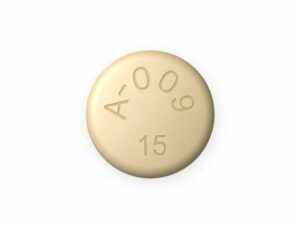
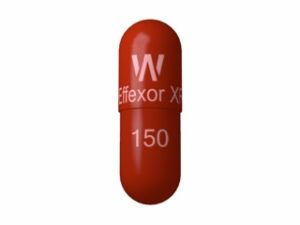
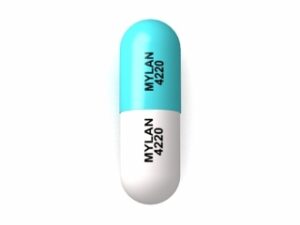
- Available Forms & Strengths: Capsules (20 mg), Tablets (20 mg); some brands also offer oral solution (20 mg/5 mL)
- Manufacturers: Sun Pharma, Eli Lilly, Alphapharm, Sandoz, Apotex, various
- Prescription Status: Prescription-only medicine (Schedule 4, S4)
Mechanism of Action
For Patients: Fluoxetine belongs to a group of medicines called selective serotonin reuptake inhibitors (SSRIs). These medicines work by increasing the amount of serotonin, a natural substance in the brain that helps maintain mental balance and improve mood.
For Specialists: Fluoxetine selectively inhibits the reuptake of serotonin (5-HT) at the presynaptic neuronal membrane, enhancing serotonergic neurotransmission. Its minimal affinity for muscarinic, histaminergic, and adrenergic receptors leads to a favourable side effect profile compared to tricyclic antidepressants (TCAs).
Pharmacokinetics
- Absorption: Well absorbed from the gastrointestinal tract, with an oral bioavailability of approximately 60-80%.
- Metabolism: Extensively hepatic, primarily via CYP2D6, forming the active metabolite norfluoxetine.
- Elimination: Mainly excreted in urine (as metabolites); small amounts in faeces.
- Half-life: Fluoxetine ~4-6 days; norfluoxetine ~7-15 days.
- Duration of Action: Long-acting; persists days to weeks after discontinuation, allowing once-daily dosing.
Use in Everyday Life and Best Practices
Fluoxetine (Fludac) is commonly prescribed in Australia to manage depression, anxiety disorders, obsessive-compulsive disorder (OCD), bulimia nervosa, and sometimes other conditions as advised by your doctor. It’s typically taken once daily, usually in the morning, with or without food. Capsules or tablets should be swallowed whole with water.
Your doctor will start you on a low dose and increase gradually, based on your response and any side effects. Treatment duration can vary, but it’s important not to stop suddenly unless recommended by your healthcare provider, as this can cause withdrawal symptoms.
Dosing in the Morning vs Evening
- Morning Dosing: Preferred for most patients as fluoxetine can be stimulating and may interfere with sleep if taken late in the day.
- Evening Dosing: May be considered if you experience drowsiness with fluoxetine, but this is less common.
- Tips for Regularity: Take your medicine at the same time every day. Setting a daily reminder or linking it to a morning routine (breakfast, brushing teeth) can help adherence.
Taking with Food or on an Empty Stomach
You can take Fludac (Fluoxetine) with or without food. Some people in Australia choose to take it with meals, especially breakfast, to help remember and reduce possible stomach upset. There is no significant effect of meals on drug absorption, so follow what is most comfortable for you.
Interaction Warnings
Fluoxetine can interact with a number of medicines, foods, and substances. Always inform your doctor or pharmacist of all medications, vitamins, herbal supplements, and alcohol intake.
| Substance/Medicine | Interaction | Advice |
|---|---|---|
| Alcohol | May increase drowsiness or impair judgement. | Limit alcohol intake. |
| MAOIs (e.g., phenelzine, tranylcypromine) | Severe, potentially life-threatening reaction possible. | Do not take within 14 days of MAOI use. |
| Tramadol, St John’s Wort, other antidepressants | Risk of serotonin syndrome (overstimulation of serotonin system). | Avoid combinations, seek medical advice. |
| Warfarin, NSAIDs (e.g., ibuprofen) | Increased risk of bleeding. | Inform doctor, may require monitoring. |
| Antiepileptics | May raise levels of some epilepsy medicines. | Possible dose adjustment needed. |
| Grapefruit juice/fruit | No significant interaction with fluoxetine. | Can consume as per usual diet. |
Indications
| Indication | Official / Off-label |
|---|---|
| Major depressive disorder | Official |
| Obsessive-compulsive disorder (OCD) | Official |
| Bulimia nervosa | Official |
| Panic disorder | Official |
| Premenstrual dysphoric disorder (PMDD) | Off-label |
| PTSD, generalised anxiety disorder, social anxiety disorder | Off-label (specialist use) |
Dosing According to Clinical Indication
| Indication | Adults | Paediatric (children/adolescents) | Elderly |
|---|---|---|---|
| Major depression | 20 mg once daily; may increase to ≤60 mg/day | Starting 10 mg/day; max 20-30 mg/day | Start on lower doses; monitor closely |
| OCD | 20 mg once daily; max 60 mg/day | Start 10 mg/day; increase as needed | Start low and go slow; max 40 mg/day |
| Bulimia nervosa | 60 mg once daily | Not generally recommended | Max 40 mg/day; monitor cardiovascular risks |
| Panic disorder | Start 10 mg/day; usual 20-40 mg/day | Individual assessment | Often lower doses, monitor side effects |
Safety Profile and Side Effects
Fluoxetine is generally well tolerated, but like all medicines, it may cause side effects. They are usually mild and improve after the first few weeks.
| Frequency | Side Effect | Advice |
|---|---|---|
| Common | Insomnia, headache, nausea, diarrhoea, dry mouth, sweating, decreased appetite, anxiety, sexual dysfunction | Talk to your doctor if persistent |
| Occasional | Rash, fatigue, drowsiness, weight loss, tremor | Monitor and report to doctor |
| Rare | Serotonin syndrome (restlessness, confusion, muscle twitching), suicidal thoughts (especially in young people), seizures | Seek medical advice immediately |
| Very rare | Liver issues, abnormal bleeding, hyponatraemia (low sodium), mania | Immediate medical attention required |
- Report any thoughts of self-harm or worsening mood to a doctor urgently, especially in the first few weeks of treatment or if your dose changes.
- Some side effects, such as sexual dysfunction or changes in appetite, may persist while you continue treatment.
- Rarely, allergic reactions or severe skin rashes may occur.
Guidelines for Proper Use
- Always take fluoxetine exactly as prescribed by your doctor.
- Take at the same time each day to maintain consistent blood levels.
- Do not double dose if you miss one; take the next dose at the usual time.
- Do not stop suddenly unless told by your healthcare team; stopping abruptly may cause withdrawal symptoms (such as dizziness, mood changes, irritability).
- If you are planning surgery or starting a new medicine (including over-the-counter or herbal), inform your healthcare provider.
- Tell your doctor if you are, or become, pregnant or are breastfeeding—your treatment may need review.
- Store below 25°C out of sunlight, and keep out of reach of children.
Alternative Treatment Options
- Other SSRIs: Sertraline (Zoloft®), Paroxetine (Aropax®), Citalopram (Cipramil®), Escitalopram (Lexapro®)
- SNRIs: Venlafaxine (Efexor®), Desvenlafaxine (Pristiq®)
- TCAs: Amitriptyline, Nortriptyline (mostly for specialist prescribed cases due to side effects)
- Other options: Bupropion (not PBS listed for depression), Mirtazapine (Avanza®), Agomelatine (Valdoxan®)
Pros of SSRIs like fluoxetine: Once daily dosing, generally better tolerated, lower risk of serious side effects compared to TCAs.
Cons: Possible activation/agitation, long half-life (means side effects or discontinuation symptoms may last longer). SNRIs may help with fatigue and pain but may increase blood pressure; mirtazapine may be a good option if sleep and appetite are issues.
Legal, Registration, and Reimbursement Status in Australia
- Regulation: Registered with the Therapeutic Goods Administration (TGA); classified as S4 (Prescription Only Medicine)
- Reimbursement: Subsidised under the Pharmaceutical Benefits Scheme (PBS) for depression, OCD, bulimia, panic disorder (check with pharmacist for your eligibility)
- Prescription Requirements: Requires valid Australian prescription from a medical practitioner, renewal as directed (usually monthly repeats if ongoing therapy).
- Pharmacy Supply: Supplied by community and hospital pharmacies throughout Australia.
Latest Research and Clinical Guidance (2022–2025)
- Royal Australian and New Zealand College of Psychiatrists (RANZCP) 2022: SSRIs, including fluoxetine, remain first-line for major depression and anxiety disorders.
- Cochrane Reviews (2023): Fluoxetine as effective as other SSRIs for major depression and OCD; long half-life may help prevent withdrawal.
- TGA Safety Update (2023): Patients and prescribers should be aware of serotonin syndrome risk, especially with combination therapies, and increased risk of suicidal thoughts in young people when starting.
- Australian Guidelines (2024): Suggest tailoring antidepressant selection to individual patient needs; attention to side-effect profiles and co-existing medical conditions.
- Key References: RANZCP Clinical Practice Guidelines; TGA; Therapeutic Guidelines: Psychotropic.
Availability and Delivery
Fluoxetine is available in most pharmacies across Australia. Delivery times may vary depending on your location and pharmacy services.
| Popular Pack Size | Indicative PBS Patient Price | Delivery Time (Metro) | Delivery Time (Regional/Rural) |
|---|---|---|---|
| 28 capsules (20 mg) | $6.70 (concession); ~ $20.00 (general) | 1–2 business days | 3–5 business days |
| 84 capsules (sale packs) | $18–60 (private scripts) | 1–2 business days | 3–7 business days |
Express delivery may be available in major cities such as Sydney, Melbourne, and Brisbane. Check with your chosen pharmacy.
Frequently Asked Questions (FAQ)
- How long does it take for Fludac (fluoxetine) to work?
Most people notice improvement in mood, sleep, and appetite within 2–4 weeks. For full benefit, it may take 6–8 weeks. If you don’t feel better after this time, talk to your doctor. - Will I gain weight on fluoxetine?
Weight changes can occur with all antidepressants, but fluoxetine is less likely than others to cause weight gain—some people may even lose weight. - Is it safe to take during pregnancy or breastfeeding?
Always discuss with your doctor. Fluoxetine can be used in pregnancy if the benefits outweigh risks, but a decision is made individually. - Can I drink alcohol while taking fluoxetine?
It’s best to limit alcohol. Taking both together can increase side effects such as drowsiness or impaired thinking. Avoid heavy drinking. - What if I miss a dose?
Take the dose as soon as you remember, unless it’s close to the next dose—then skip it. Do not take two doses at once.
For further information: Always consult your pharmacist or doctor for advice tailored to your individual needs in Australia.