Elavil (Amitriptyline) – Comprehensive Medicine Guide for Australia
Basic Product Information
| International Non-Proprietary Name (INN) | Amitriptyline |
|---|---|
| Common Brand Names in Australia | Endep, Tryptanol, Amitriptyline (generic) |
| Anatomical Therapeutic Chemical (ATC) code | N06AA09 |
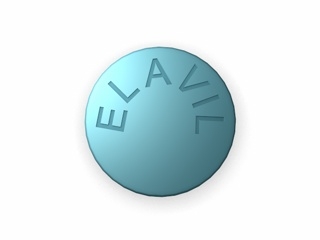
| Available Forms & Strengths | Tablets: 10 mg, 25 mg, 50 mg, 75 mg |
| Manufacturers | Mylan, Arrow Pharmaceuticals, Apotex, various generic suppliers |
| Prescription Status | S4 (Prescription Only Medicine) in Australia |
Mechanism of Action
In simple terms: Amitriptyline is a tricyclic antidepressant (TCA) that helps to balance certain chemicals in the brain, particularly serotonin and noradrenaline, which can improve mood and relieve pain.
For specialists: Amitriptyline inhibits the reuptake of noradrenaline and serotonin by presynaptic neuronal membranes, increasing synaptic concentrations. It also has anticholinergic, antihistaminic, and sedative properties, accounting for both therapeutic benefits and side effects.
Pharmacokinetics
- Absorption: Rapidly absorbed after oral administration (peak plasma concentration: 2–12 hrs).
- Metabolism: Extensively metabolised in the liver via CYP2D6 and CYP3A4 enzymes to active metabolite nortriptyline.
- Elimination: Mainly excreted in urine (85–90%), small amount in faeces; elimination half-life: 10–50 hours (varies between individuals).
- Duration of action: Therapeutic effects may become evident in 2–4 weeks.
Use in Everyday Life and Best Practices
- Typical doses (adults): Start with 10–25 mg at night; may increase gradually to 50–150 mg daily according to response and tolerance.
- Administration: Take precisely as prescribed by your doctor. Do not alter your dose without consulting your GP or pharmacist.
- Indicated for: Depression, certain types of chronic pain (e.g., neuropathic pain, migraine prevention), and sometimes for sleep disorders.
- English context: Used under close supervision; periodic doctor visits essential to monitor progress, especially in mental health conditions.
Dosing: Morning vs. Evening
- Advantages of evening dosing: Amitriptyline often causes drowsiness. Dosing at night may reduce daytime drowsiness and improve sleep quality.
- Disadvantages of evening dosing: In some, may cause morning grogginess or difficulty waking.
- Morning dosing: Rarely prescribed unless sedation becomes problematic. Discuss with your doctor if sleepiness is persistent.
- Tip: Try to take your dose at the same time each day for consistency.
Taking With Food or On an Empty Stomach
- Effect of food: Amitriptyline can be taken with or without food. Taking with food may help reduce stomach upset, a side effect noted in some patients.
- Australian dietary habits: No specific restrictions based on typical English meals; however, avoid grapefruit juice as it can affect metabolism of the drug.
Interaction Warnings
| Type of Interaction | Examples | Advice |
|---|---|---|
| Medicines | SSRIs, MAOIs, tramadol, antihistamines, other antidepressants, antipsychotics, anticonvulsants, anticholinergics, some blood pressure medications | May increase risk of serotonin syndrome, heart rhythm problems, or drowsiness. Always check with your pharmacist or GP. |
| Alcohol | Beer, wine, spirits | Avoid alcohol as it can increase drowsiness and other side effects. |
| Food/Beverages | Grapefruit juice | Should be avoided due to possible interaction with drug metabolism. |
| Herbal Supplements | St. John's wort, valerian | May increase the risk of side effects or reduce efficacy. |
Indications
| Indication | Official Status (TGA) | Notes |
|---|---|---|
| Major Depressive Disorder | Approved | Primary indication; usually if other antidepressants ineffective or unsuitable. |
| Neuropathic Pain | Approved | Such as diabetic neuropathy, post-herpetic neuralgia. |
| Migraine Prophylaxis | Off-label | Commonly prescribed by headache specialists in Australia. |
| Fibromyalgia | Off-label | Used in chronic pain clinics as an adjunct or alternative. |
| Sleep Disorders (Insomnia) | Off-label | Low doses sometimes used under specialist guidance. |
| Irritable Bowel Syndrome (IBS) | Off-label | Used in refractory cases, particularly with pain-predominance. |
Dosing According to Clinical Indications
| Indication/Population | Initial Dose | Typical Maintenance Dose | Comments |
|---|---|---|---|
| Depression (Adult) | 10–25 mg at night | 50–150 mg/day (single dose at night or divided) | Titrate up gradually; monitor response and side effects |
| Neuropathic Pain | 10 mg at night | 25–75 mg/night | Lower effective dose than for depression |
| Migraine Prophylaxis | 10–25 mg at night | 10–50 mg/night | Often lower dose than psychiatric use |
| Elderly | 5–10 mg at night | Max 75 mg/day | Sensitive to side effects; start low and go slow |
| Children/Adolescents | Not generally recommended; specialist only | See paediatric psychiatrist or pain specialist | Risk of serious side effects; dosing individualised |
Safety Profile & Side Effects
Amitriptyline is effective but can cause side effects. Not all people will experience these, and many are mild and pass with time. If you have serious side effects, seek medical attention promptly.
| Type | Examples | Advice |
|---|---|---|
| Common | Drowsiness, dry mouth, blurred vision, constipation, weight gain, dizziness, difficulty urinating, increased appetite, sweating | Often improve with time; inform your doctor if persistent |
| Less Common | Heart rhythm disturbances, confusion (older adults), low blood pressure, sexual dysfunction, restlessness | May require dose adjustment or change of medication |
| Rare/Serious | Seizures, allergic reactions (swelling, rash, difficulty breathing), serotonin syndrome (fever, agitation, tremor, sweating) | Seek immediate medical assistance |
| Long-term | Possible dental issues from dry mouth; risk for glaucoma or heart problems in susceptible individuals | Dental check-ups recommended; regular medical reviews vital |
Guidelines for Proper Use (Australia-Specific Advice)
- Start with the lowest effective dose and increase gradually as directed by your doctor.
- Take at the same time each day, ideally in the evening or as advised by your GP.
- Do not suddenly stop amitriptyline – your doctor will guide you on safe dose reduction (tapering).
- Avoid alcohol, operating machinery, or driving until you know how the medication affects you, especially in the first weeks.
- Discuss all other medicines and supplements you are taking with your pharmacist or GP to avoid interactions.
- If you miss a dose, take it as soon as you remember unless it is nearly time for your next dose; do not double up.
- Store in a cool, dry place below 25°C, well out of reach of children.
- Attend regular follow-up appointments to monitor your response and side effects.
- Contact your GP promptly if you notice new or worsening symptoms, especially suicidal thoughts, chest pain, or severe allergic reactions.
- For support or concerns, you can contact Healthdirect Australia (1800 022 222) or Lifeline (13 11 14).
Alternative Treatment Options
- SSRIs (e.g., sertraline, fluoxetine): Generally have fewer side effects and are first-line for many patients with depression. Not always effective for neuropathic pain.
- SNRIs (e.g., duloxetine, venlafaxine): Used for depression and pain; can be alternatives if TCAs are not tolerated.
- Mirtazapine: Effective in some cases; may cause weight gain and sleepiness.
- Gabapentinoids (gabapentin, pregabalin): For neuropathic pain; not suitable for mood disorders.
- Psychological therapies (CBT, counselling): Essential part of management for depression, chronic pain, and insomnia – often used alongside medication.
Pros & Cons of Amitriptyline vs. Alternatives:
TCAs like amitriptyline are very effective, especially for pain, but carry more side effects (especially sedation, weight gain, anticholinergic effects) compared to newer antidepressants like SSRIs/SNRIs.
Gabapentinoids or psychological therapies may be preferred if emotional symptoms are minor.
The Pharmaceutical Benefits Scheme (PBS) in Australia reimburses both generic and branded forms of amitriptyline, as well as many alternatives mentioned above. Discuss these options with your GP or pharmacist to tailor therapy to your needs.
Legal, Registration & Reimbursement Status in Australia
- Regulatory approval: Registered with the Therapeutic Goods Administration (TGA).
- Prescription status: S4 – Prescription Only Medicine.
- Reimbursement: Listed on the Pharmaceutical Benefits Scheme (PBS); available at subsidised cost with a doctor's prescription.
- Prescription requirements: Doctor or psychiatrist prescription required, ongoing review necessary.
Latest Research & Clinical Guidance (2022–2025)
- 2024: Royal Australian and New Zealand College of Psychiatrists Clinical Guidelines recommend amitriptyline as a second- or third-line agent for depression, particularly where pain or insomnia is also a problem.
- 2023: Australian Therapeutic Guidelines endorse low-dose amitriptyline as a treatment for neuropathic pain and migraine prophylaxis, noting individualised dosing and careful monitoring.
- 2022–2025: International Guidelines support short- and long-term safety for pain and depression when monitored closely, but stress the need for regular cardiovascular and mental health assessment (e.g., NICE, BMJ Best Practice, Cochrane Reviews).
Sources available from: Therapeutic Goods Administration (TGA) | Pharmaceutical Benefits Scheme (PBS) | Australian Therapeutic Guidelines
Availability and Delivery
Amitriptyline is available in most community and hospital pharmacies across Australia. Availability of specific strengths may vary by location.
| Pack Size | Strengths | Indicative PBS Price* | Estimated Delivery (Metro Areas) |
|---|---|---|---|
| 50 tablets | 10 mg, 25 mg, 50 mg | $8.30 PBS concession, $13.50 general | 1–2 business days in Sydney, Melbourne, Brisbane |
| 100 tablets | 10 mg, 25 mg, 50 mg, 75 mg | $13.70 PBS concession, $23.80 general | 1–3 business days to Adelaide, Perth, Hobart |
| Other sizes (by request) | All strengths | Varies | Remote & regional (incl. NT): 2–5 business days |
*Prices represent typical PBS patient out-of-pocket costs; private prices may vary. Check with your pharmacist for exact amounts.
Frequently Asked Questions (FAQ)
- How long does it take for amitriptyline to work?
For pain or sleep issues, benefits may appear in 1–2 weeks. For depression, it can take 3–4 weeks for full effect. Continue taking as prescribed, even if you do not notice immediate improvement. - Can I drink alcohol while taking amitriptyline?
It is best to avoid alcohol as it can increase drowsiness, make side effects worse, and reduce effectiveness. - Is it safe to suddenly stop taking amitriptyline?
No. Stopping suddenly can cause withdrawal symptoms or worsening of your condition. Speak with your doctor about a gradual dose reduction if necessary. - Can I drive or operate machinery while using this medicine?
Amitriptyline can cause drowsiness, especially when starting or increasing the dose. Avoid activities that require full alertness until you know how you are affected. - Is amitriptyline addictive?
No, amitriptyline is not addictive, but withdrawal symptoms can occur if you stop suddenly after long-term use. Tapering with medical supervision is recommended.
For further information: Please consult your GP, pharmacist, or contact Healthdirect Australia (1800 022 222) for trusted support and advice regarding amitriptyline and your treatment plan.